NEPRA allows Rs1.11 per unit fuel adjustment in October billing
Updated 8 hours ago

Week-on-week reading up 0.49%; low-income groups hit harder by external shocks
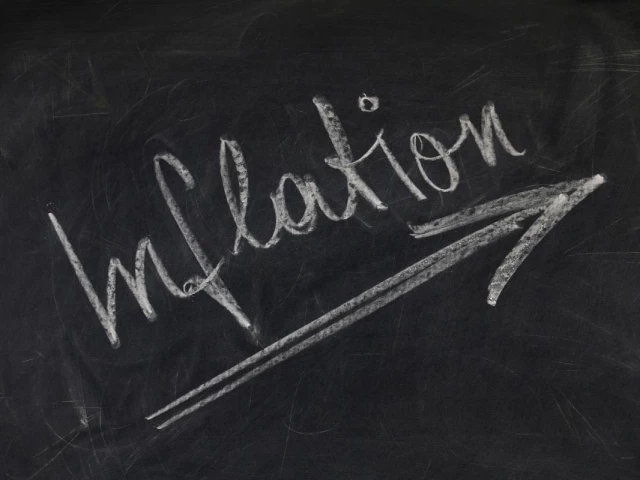
Pakistan's Sensitive Price Indicator (SPI) for the week ended August 20, 2026 remained stuck at a year-on-year increase of 9.66%, with the burden falling even heavier on poorer households, as energy and essential food prices continued to reflect the fallout from the prolonged US-Iran conflict and shipping disruption through the Strait of Hormuz.
According to the Pakistan Bureau of Statistics (PBS), the combined SPI rose 0.49% week-on-week. For the lowest consumption quintile (Q1) with monthly expenditure up to Rs17,732, the annual increase came in at 9.87%, while the next group (Q2) faced the sharpest rise of 10.36%, both above the national average. Higher-income quintiles registered slightly lower year-on-year pressure of 9.03% to 9.33%.
The short-term uptick was driven mainly by onions (up 14.17%), petrol (3.77%) and chicken (3.35%). Garlic, gram pulse, prepared tea and milk also edged higher. On the other side, prices of eggs fell 5.78%, diesel 5.15%, tomatoes 4.99% and potatoes 1.17%.
Of the 51 items tracked across 50 markets in 17 cities, prices of 23 items increased, 10 decreased and 18 stayed unchanged.
Year-on-year, the pressure remained acute. Onion prices soared 132.52%, tomatoes 93.21% and wheat flour 62.25%. Costs of energy items were particularly elevated: liquefied petroleum gas (LPG) jumped 51.69%, diesel 33.08% and petrol 27.65%; the increases widely linked by market observers to the lingering effects of the US-Iran hostilities that began in late February 2026 and the repeated disruptions to oil and gas traffic through the Strait of Hormuz. Electricity charges for Q1 rose 22.72% annually.
Low-income families, who spend a larger share of their budgets on food and fuel, are absorbing the brunt of these imported and logistics-related shocks. The SPI for the lowest group stood at 350.03 points against 318.59 a year earlier, while the combined index reached 360.90.
Meanwhile, the National Consumer Price Index (NCPI) for August 2026 is expected to rise by 11% YoY and 1% month-on-month, as per Growth Securities. The 1% MoM spike in the NCPI is mainly due to higher food prices. "The impact of higher food prices is expected to be further enhanced by rising petrol and diesel prices," said Nasheed Malik, Head of Research at Growth Securities.













This material may not be published, broadcast, rewritten, redistributed or derived from. Unless otherwise stated, all content is copyrighted © 2026 The Express Tribune.






COMMENTS
Comments are moderated and generally will be posted if they are on-topic and not abusive.
For more information, please see our Comments FAQ