Bodies of man, woman found in water channels
Updated 3 hours ago

Groundwater now lies 700900 feet deep; 10 monitoring wells approved at Rs500m
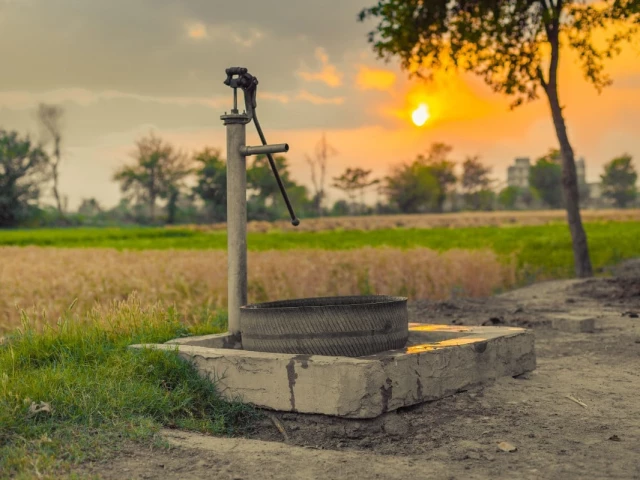
The Rawalpindi district administration has decided to establish a comprehensive monitoring system to track the rapidly declining level of groundwater and determine the rate at which the underground water table is falling across the district.
A complete Tube-Well Monitoring System is being developed, while approval has been granted for the installation of 10 monitoring tube wells at a cost of Rs500 million to monitor the decline in groundwater levels.
The monitoring tube wells will be installed at different locations under the supervision of water experts. Underground instruments will be fitted in these wells to measure the rate at which groundwater levels are declining.
Comprehensive monthly data will be compiled and analysed to determine the months during which the water table falls most rapidly, as well as the annual rate of depletion.
Based on the data collected, projects will subsequently be developed to increase groundwater levels and improve the sustainability of the city's water resources.
According to water experts, the groundwater level in Rawalpindi stood between 150 and 200 feet until the 1990s. It fell to between 450 and 500 feet during the 2000s and has now reached between 700 and 900 feet.
Tube wells installed by the Water and Sanitation Agency (WASA), Municipal Corporation, cantonment boards and the private sector between 1985 and 2000 have started drying up during the summer due to the continued decline in groundwater levels, resulting in reduced water supplies.
With the further depletion of groundwater, even tube wells installed up to 2020 have now begun to be affected during the summer months.
A water expert said that groundwater in Rawalpindi did not exist as a continuous layer but was found in separate underground pockets, making the water table particularly vulnerable to depletion.
Experts have described continued dependence on tube wells as dangerous for the future and recommended initiating projects to obtain water from surface sources, including dams and rivers. Experts from the Asian Development Bank (ADB) will also assist in monitoring the groundwater level and analysing the data.
Federal Minister for Railways Hanif Abbasi said Daducha and Chahan dams were among the best projects for meeting Rawalpindi's water requirements. Their completion, he said, would reduce the city's dependence on tube wells.
He added that the chief minister had also approved a project for a new steel water-supply line from Rawal Dam to Rawalpindi. The additional steel pipeline from the dam would help meet the city's growing water requirements.















This material may not be published, broadcast, rewritten, redistributed or derived from. Unless otherwise stated, all content is copyrighted © 2026 The Express Tribune.








COMMENTS
Comments are moderated and generally will be posted if they are on-topic and not abusive.
For more information, please see our Comments FAQ