Punjab puts drones on 30-day timeout
Updated 19 hours ago

Economists warn frequent changes are increasing pressure on household budgets and business costs
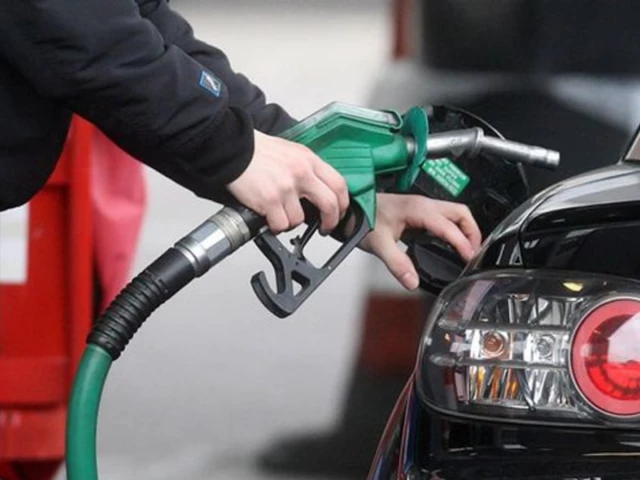
From commuters to farmers and businesses, Pakistan's new daily fuel pricing system is reshaping household and operational costs. Although the policy aims to quickly reflect global oil market trends, experts warn frequent price changes may create wider inflationary challenges.
During July 2026, petroleum prices were revised several times. Petrol was initially increased by Rs13.18 per litre and high-speed diesel by Rs13.80 per litre. Later, under the daily pricing mechanism, petrol rose by another Rs4.93 per litre and diesel by Rs7.15 per litre.
Following multiple revisions, petrol prices recorded a cumulative increase of more than Rs20 per litre during the month, while diesel also saw a significant rise. Authorities attributed the increases to changes in global crude oil prices, exchange rates, and import costs.
According to the Ministry of Petroleum, the daily pricing system aims to adjust fuel prices according to international markets, currency movements, and import expenses. However, experts believe that if increases are passed immediately, reductions should also reach consumers at the same pace to maintain public trust.
Former Director General of the Punjab Bureau of Statistics Muhammad Shamim said frequent fuel price increases would raise the cost of daily life, especially for low-income groups.
"The increase will also affect essential goods. Although petroleum products are not included in the Sensitive Price Indicator basket, their indirect impact will increase the prices of other items," he said.
Shamim highlighted the fact that salaried employees in both public and private sectors were already facing rising expenses. "If the government reduces fuel prices, it should ensure the benefit reaches consumers through lower commodity prices. Frequent price changes have affected middle and low-income groups the most," he added.
Government employee Junaid Ahmed said rising fuel prices had increased his commuting expenses. "Whether I use public transport or book a ride, I now have to spend more because of higher fares," he said.
A housewife, Mrs Ejaz, noted that managing household expenses had become increasingly difficult. "Milk, vegetables and meat are already expensive, and now prices of other essential items are also increasing," she said.
The impact is also being felt by transporters, farmers, and industries. Higher diesel prices have increased the cost of running tube wells, tractors, and agricultural machinery, while industrial production costs have also risen. Since most goods are transported through diesel-powered trucks, fuel price increases affect the cost of vegetables, fruits, flour, rice, sugar, cooking oil, milk, meat, and other necessities.
Economic expert Dr Khalid Rasool said continued fuel price increases would keep pressure on inflation because energy costs are linked with almost every sector of the economy.
"Daily commuters, transporters, farmers, small traders and industrialists are facing higher expenses. Ultimately, this results in expensive goods, increased transport fares, and greater pressure on household budgets," he said.
Pakistan does not currently have strategic petroleum reserves capable of meeting demand for several months. Fuel requirements are mainly managed through commercial stocks held by oil marketing companies, refineries, and imported cargo. Officials say these stocks generally cover around three to four weeks of demand, while the Ministry of Petroleum, OGRA, refineries and oil companies monitor supplies daily to avoid shortages.
Rasool opined that if the daily pricing system continues, the government must ensure transparency in price calculations, pass on global price reductions quickly, prevent hoarding, monitor transport fares and provide targeted relief to vulnerable groups.
While daily fuel price adjustments may improve alignment with global markets, their impact spreads across transportation, agriculture, industry, electricity generation, and household expenses. Without effective monitoring, transparency, and relief measures, the masses are likely to continue bearing the greatest burden of the policy.













This material may not be published, broadcast, rewritten, redistributed or derived from. Unless otherwise stated, all content is copyrighted © 2026 The Express Tribune.







COMMENTS
Comments are moderated and generally will be posted if they are on-topic and not abusive.
For more information, please see our Comments FAQ