James Bond casting race narrows as Jacob Elordi reportedly misses final auditions
Updated 1 hour ago

Nolan argues that 'The Odyssey' has always been a story about returning home emotionally as much as physically
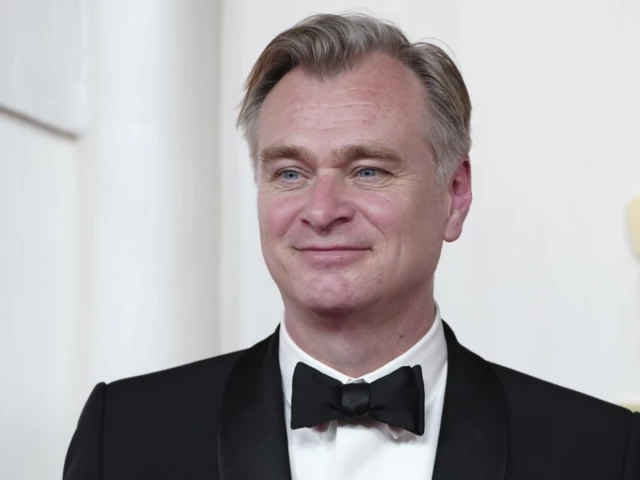
Christopher Nolan has opened up about the ending of The Odyssey, revealing why he departed from Homer's original epic to deliver a more introspective conclusion centred on remorse, forgiveness and what he calls "Zeus' law."
In an interview with TIME, the Oscar-winning filmmaker said he wanted his adaptation to explore the moral consequences of Odysseus' actions rather than simply celebrate his triumphs, making the ending feel more relevant to modern audiences.
At the heart of Nolan's interpretation is Zeus' law, also known as xenia, the ancient Greek code of hospitality and mutual respect between stranger\/*s. In the film, Odysseus (Matt Damon) comes to believe that his greatest invention, the Trojan Horse, shattered that sacred code by proving that trust itself could be weaponised.
"He's not just carrying the trauma of war," Nolan explained. "He's carrying the guilt of believing he changed civilisation forever."
That sense of responsibility shapes the film's final act. Rather than ending solely with Odysseus reclaiming his kingdom, Nolan focuses on whether he can rediscover the humanity and compassion he believes were lost after Troy. The director said the story ultimately becomes less about defeating monsters than confronting the consequences of one's own choices.
Nolan also discussed the role of Athena, played by Zendaya, describing her not as a traditional divine figure but as a manifestation of Odysseus' conscience. Throughout the film, she challenges him to confront his guilt, pushing him toward redemption instead of revenge.
The filmmaker said he deliberately reshaped Homer's ending to reflect those themes, arguing that The Odyssey has always been a story about returning home emotionally as much as physically.
"It's about whether someone can come back from unimaginable violence and still deserve the life they've been fighting to return to," Nolan said.
Nolan's interpretation has prompted widespread discussion among audiences and classicists alike. While some viewers have praised the psychological depth of the revised ending, others have debated how far the director strayed from Homer's original text. The changes have become one of the most talked-about aspects of the film since its release, reinforcing Nolan's reputation for reimagining classic stories through a contemporary lens.














This material may not be published, broadcast, rewritten, redistributed or derived from. Unless otherwise stated, all content is copyrighted © 2026 The Express Tribune.






COMMENTS
Comments are moderated and generally will be posted if they are on-topic and not abusive.
For more information, please see our Comments FAQ