US climate research under siege
Updated 1 hour ago

.
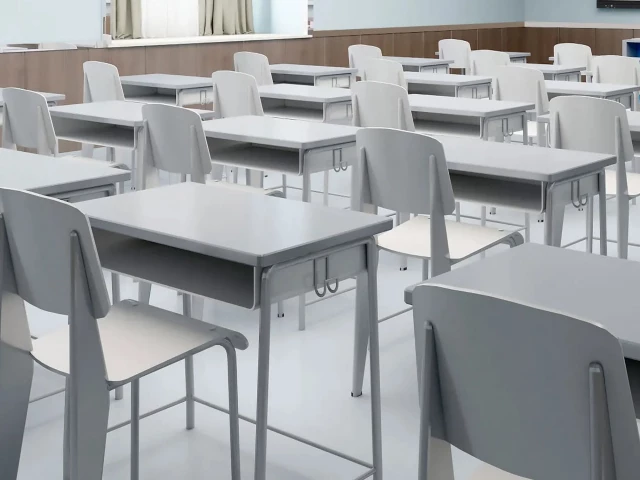
New research published in the global education volume "Learning Education Policy in Practice" shows that around 80,000 to 90,000 children aged 5 to 16 in ICT remain out of school. That's 13-15 per cent of all children in that age group. And for those who do attend, learning outcomes remain low. In 2024 assessments, Grade 4 students answered just 49 per cent of mathematics questions correctly on average. By Grade 8, that number dropped to 42 per cent.
Chapter 5 of the book, titled "Bridging Equity and Learning Gaps in Islamabad School, Pakistan", examines how ICT is trying to close these gaps - not with one big reform, but with three targeted programmes working together.
Three Barriers, Three Solutions
The research identifies three main barriers: mobility and safety, poverty and nutrition, and instructional quality.
To address them, the Ministry of Federal Education and the Federal Directorate of Education have rolled out three flagship initiatives: safe transport for girls via the pink bus, tackling hunger and absenteeism through the ICT School Meals programme, and improving learning quality through smart classrooms.













This material may not be published, broadcast, rewritten, redistributed or derived from. Unless otherwise stated, all content is copyrighted © 2026 The Express Tribune.










COMMENTS
Comments are moderated and generally will be posted if they are on-topic and not abusive.
For more information, please see our Comments FAQ