Bitcoin rises above $80,000 as soft dollar, debasement fears boost momentum
Updated 7 hours ago

15-year loan at 1% interest from SFD; total Saudi cash deposits up to $8b
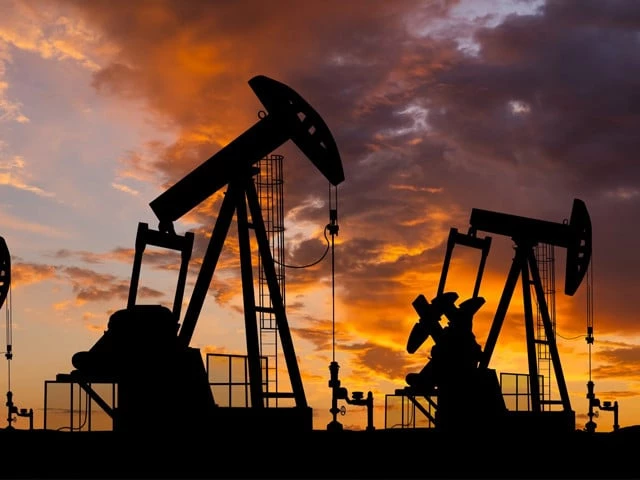
Pakistan has sought a $6.7 billion concessional oil financing facility from Saudi Arabia for a period of 15 years, aimed at ensuring energy security amid heightened Middle East conflict that may keep global prices high and put additional stress on the country's foreign exchange reserves.
A spokeswoman of the Ministry of Economic Affairs confirmed to The Express Tribune that the matter of Saudi oil facility on deferred payments was under discussion.
The sources said Pakistan was actively seeking the $6.7 billion Saudi facility at 1% interest rate for a period of 15 years. The matter has been discussed at the ministerial level, they added. Pakistan has sought a five-year grace period and a total 15 years for the repayments of the debt, they added.
"The matter is under consideration between the two governments," said the spokeswoman of the Ministry of Economic Affairs. She was responding to the question whether Pakistan had requested the Saudi Fund for Development (SFD) for a $6.7 billion oil facility at 1% interest rate with repayment in 15 years.
Since 2019, Saudi Arabia has been providing oil on one-year deferred payments. The last facility was signed in February 2025, which expired in April. The SFD and Pakistan's then Secretary of the Ministry of Economic Affairs had signed a $1.2 billion financing agreement for the import of oil derivatives. The interest rate on the previous facility, finalised before the Pak-Saudi Strategic Partnership Agreement, was 6%, according to ministry officials.
The last agreement was part of Saudi Arabia's broader financial assistance to Pakistan through the SFD, which had provided approximately $6.7 billion for oil derivatives since 2019.
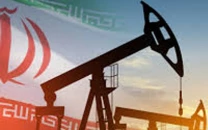
The renewed conflict in the Middle East has once again heightened energy and food security risks in the region. Brent crude oil prices have shot up by $15 per barrel since the new phase of hostilities between Iran and the United States.
Pakistan has also been exploring options to lower its external debt repayments maturing in the next few years, including the repayment of Chinese energy debt. A workable solution to these repayments can minimise the need for any new International Monetary Fund (IMF) programme after the expiry of the current arrangement in September next year, according to government officials.
During the July-May period of the last fiscal year, Pakistan imported $14 billion worth of petroleum products, according to the central bank. These were almost at the preceding year's comparative period level due to $1.2 billion less imports of liquefied natural gas, showed the official data.
However, continued hostilities may put an additional burden on Pakistan's foreign exchange reserves due to low exports, which stood at $30.1 billion in the last fiscal year.
Saudi Arabia has emerged as Pakistan's major bilateral lender after China and lately provided $3 billion in short-term deposit through the SFD for helping the country make debt repayment to the United Arab Emirates.
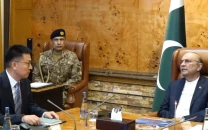
Finance Minister Muhammad Aurangzeb and Minister for Power Sardar Awais Leghari on Sunday held a meeting with Saudi Finance Minister Mohammed bin Abdullah Al-Jadaan to discuss ways to further strengthen bilateral economic and energy cooperation. The meeting focused on enhancing the Pakistan-Saudi Arabia economic partnership and expanding collaboration in the energy sector, a statement said. The two sides reaffirmed their commitment to broadening cooperation in the energy sector and agreed to further strengthen bilateral economic ties.
Saudi Arabia has also been providing assurances to the IMF about its decision to retain cash deposits with Pakistan. Total Saudi cash deposits have increased to $8 billion as of early July this year.
After the last board meeting that approved a $1.3 billion loan tranche, the Executive Director of the IMF issued a statement saying "the(Pakistani) authorities sincerely appreciate the unwavering trust and financial assistance provided by their bilateral and multilateral partners, especially the People's Republic of China and the Kingdom of Saudi Arabia".
The IMF has not included the Saudi oil facility in its projected inflows for Pakistan for the financial years 2026-27 and 2027-28, according to the third staff level report. Any such deal between both governments would offset the impact of any addition in the cost of fuel imports, said government officials.
Saudi Arabia also remained the single largest source of foreign remittances, with overseas Pakistanis remitting $9.8 billion from the Kingdom, contributing 24% of total remittances received in the last fiscal year.










This material may not be published, broadcast, rewritten, redistributed or derived from. Unless otherwise stated, all content is copyrighted © 2026 The Express Tribune.






COMMENTS (5)
Comments are moderated and generally will be posted if they are on-topic and not abusive.
For more information, please see our Comments FAQ