Air India expands drug testing to all pilots after captain tests positive for marijuana
Updated 2 hours ago

MarineTraffic says use of Iranian and ‘dark’ routes rises as traffic
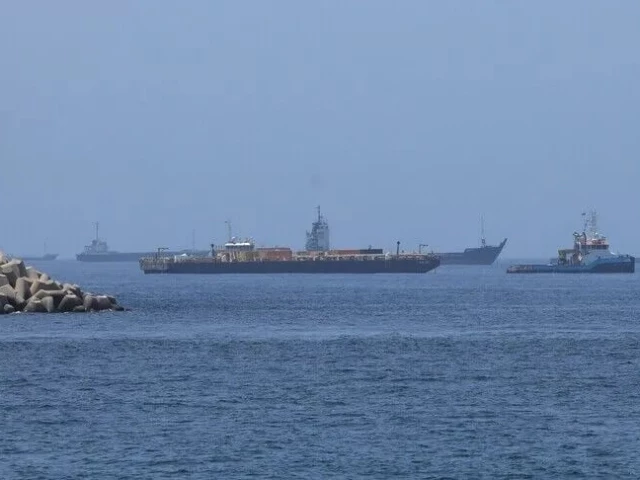
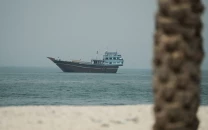
Commercial vessel traffic through the Strait of Hormuz fell sharply between July 10 and 12 as shipping operators increasingly adopted defensive routing patterns following renewed attacks on ships in and around the strategic waterway.
Confirmed crossings declined by around 52% compared with the previous week, MarineTraffic said on Monday on social media platform X.
Strait of Hormuz traffic turns defensive
— MarineTraffic (@MarineTraffic) July 13, 2026
Vessel activity through the Strait of Hormuz declined sharply over 10–12 July, with confirmed crossings down by around 52% week on week, according to #MarineTraffic data.
Traffic also shifted back toward more defensive routing patterns.… pic.twitter.com/PZjbCt4Uf1
The composition of traffic also shifted, with vessels increasingly using Iranian and so-called “Dark” routes, while activity along the internationally recognised International Maritime Organisation (IMO) corridor and Omani routes dropped to minimal levels.
The change indicates that shipowners and operators are prioritising routes perceived as safer over more direct transit options amid persistent uncertainty, MarineTraffic said.
The latest decline followed a renewed wave of attacks against commercial vessels near the strait.
According to the IMO’s list of confirmed incidents, the GFS Galaxy was damaged nine nautical miles east of Oman on July 11, leaving one seafarer missing.
The Cyprus Prosperity was damaged east of Oman’s Musandam Peninsula on July 7, while the Wedyan and Al Rekayyat were damaged in separate incidents near the United Arab Emirates and Oman on July 6. No pollution or injuries were reported in any of the three incidents.
The IMO said on July 8 that several ships transiting the strait had been attacked over the preceding two days and urged shipowners and operators to avoid exposing seafarers to unnecessary danger.
The organisation said hundreds of vessels carrying around 6,000 seafarers remained stranded in the Persian Gulf as a result of the conflict.
The attacks triggered further military escalation between Washington and Tehran, with the US carrying out strikes against Iranian missile, drone, radar and naval assets. Iran subsequently launched attacks against countries hosting US forces and reiterated its claim that it controls the strait.
The Strait of Hormuz is one of the world’s most important energy transit chokepoints, connecting oil and gas producers in the Gulf with international markets.
MarineTraffic said renewed US-Iran tensions and warnings from Iran’s Islamic Revolutionary Guard Corps continued to weigh on confidence, reinforcing a cautious approach among commercial shipping operators.










This material may not be published, broadcast, rewritten, redistributed or derived from. Unless otherwise stated, all content is copyrighted © 2026 The Express Tribune.






COMMENTS
Comments are moderated and generally will be posted if they are on-topic and not abusive.
For more information, please see our Comments FAQ