New districts leave residents struggling with outdated documents
Updated 2 hours ago

DPM Dar holds consultations with Iran, Saudi FMs
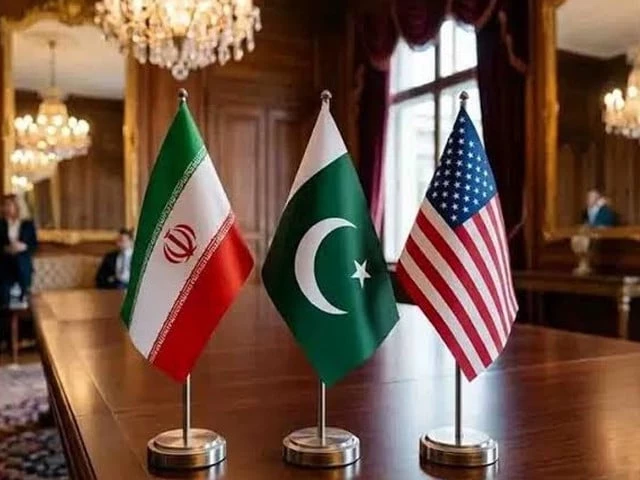
Pakistan intensified its diplomatic outreach on Sunday as renewed military exchanges between the United States and Iran threatened to unravel the fragile Islamabad Memorandum of Understanding (MoU), with Deputy Prime Minister and Foreign Minister Ishaq Dar holding separate telephone conversations with his Saudi and Iranian counterparts while urging all sides to return to dialogue.
The fresh diplomatic push came as the Foreign Office expressed deep concern over the latest escalation, calling on all parties to exercise maximum restraint, take immediate steps toward de-escalation and honour commitments made under the Islamabad MoU, which halted weeks of hostilities between Washington and Tehran last month.
The appeal followed another dangerous round of tit-for-tat attacks. The United States struck dozens of Iranian military targets after accusing Tehran of attacking a merchant vessel in the Strait of Hormuz. Iran accusing the US of violating the MoU targeted several American military installations across the region in retaliation, underscoring the rapid deterioration of the security situation.
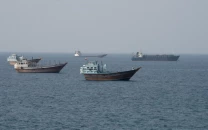
The Strait of Hormuz has once again emerged as the central flashpoint. Washington and Tehran continue to issue contradictory claims over the status of the strategic waterway, through which roughly one-fifth of the world's oil supplies transit.
President Donald Trump, who said the US had struck Iran "very hard" overnight, insisted the strait remained open, while Tehran has continued to use uncertainty surrounding the shipping lane as leverage in its confrontation with Washington.
The renewed violence has cast fresh uncertainty over the future of the Islamabad MoU, a diplomatic framework brokered with the support of Pakistan and Qatar to halt direct military confrontation and launch negotiations on sanctions, maritime security and broader regional issues.
As part of Islamabad's diplomatic efforts, Dar spoke separately with Iranian Foreign Minister Seyyed Abbas Araghchi and Saudi Foreign Minister Prince Faisal bin Farhan Al Saud.
According to the Foreign Office, Dar and Araghchi reviewed the evolving regional situation, with the Pakistani foreign minister stressing the need for all parties to pursue de-escalation and demonstrate restraint in line with commitments made under the Islamabad MoU.
He emphasised that dialogue and diplomacy remained the only viable path to resolving disputes and achieving lasting peace and stability in the region. Dar also reiterated Pakistan's readiness to continue playing a constructive role in promoting regional peace and stability. The two foreign ministers agreed to remain in close contact as the crisis unfolds.
In his separate conversation with the Saudi foreign minister a day earlier, Dar and Prince Faisal expressed deep concern over the renewed escalation despite the signing of the Islamabad MoU. Both agreed that continued military confrontation served no country's interests and risked undermining efforts to restore regional peace and stability.
The Saudi foreign minister briefed Dar on the Kingdom's assessment of ongoing diplomatic initiatives, while the Pakistani foreign minister reiterated Islamabad's call for maximum restraint and urged that mediation efforts be given the necessary political space to succeed.
Pakistan has sought to position itself as a key diplomatic interlocutor throughout the crisis, maintaining channels of communication with both Tehran and Washington while coordinating closely with regional partners, particularly Saudi Arabia and Qatar.
Officials argue that another prolonged conflict would not only destabilise the Middle East but also threaten global energy markets and international shipping through the Strait of Hormuz.
The latest exchanges highlight the fragility of the ceasefire framework painstakingly negotiated only weeks ago. Analysts warn that unless the current cycle of retaliation is halted quickly, the diplomatic gains achieved under the Islamabad MoU could unravel, raising the risk of a wider regional conflict.
Despite the deteriorating security environment, Islamabad insists that diplomacy remains the only realistic path forward. Pakistani officials say they will continue engaging regional and international stakeholders in an effort to preserve the peace process and prevent the crisis from spiraling into a broader war.







This material may not be published, broadcast, rewritten, redistributed or derived from. Unless otherwise stated, all content is copyrighted © 2026 The Express Tribune.





COMMENTS
Comments are moderated and generally will be posted if they are on-topic and not abusive.
For more information, please see our Comments FAQ