From classical to rock music: Independence Day songs that shaped generations
Updated 1 hour ago

Why audiences can't look away as streaming platforms continue to turn domestic turmoil into must-watch television
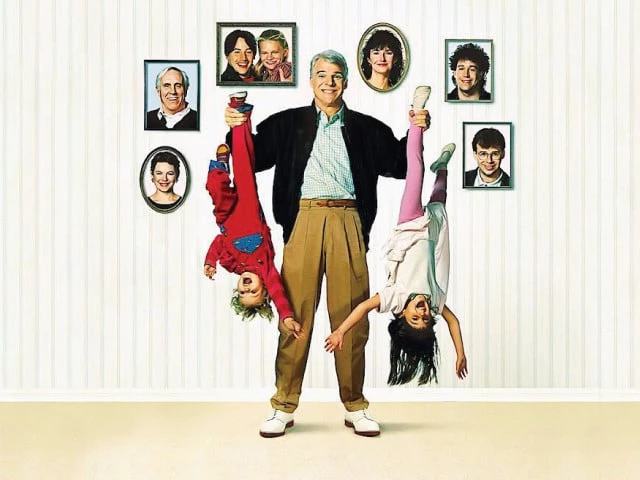
Every family has its tensions, awkward silences and occasional rows around the dinner table. Yet television and films have long thrived on taking those everyday frictions to spectacular extremes.
The latest crop of streaming dramas and comedies proves that audiences remain fascinated by families that are messy, fractured and gloriously dysfunctional. Ironically, their chaos often leaves viewers feeling better about their own imperfect households.
Whether it is sibling rivalry, overbearing parents, buried secrets or relationships held together by little more than habit, fictional families have become one of entertainment's most enduring attractions. They remind viewers that while ordinary life can be challenging, it rarely descends into the kind of relentless turmoil that makes for compelling television.
Among the most memorable examples is 'Arrested Development', where the wealthy Bluth family lurches from one absurd crisis to another after its patriarch is arrested. Self-centred siblings, manipulative parents and spectacularly poor decisions create a comedy built almost entirely on dysfunction. The family survives, but rarely learns from its mistakes, turning personal failure into a running joke.
The tone shifts in 'Gilmore Girls', where conflict is quieter but no less real. The close friendship between Lorelai and her daughter Rory contrasts sharply with Lorelai's strained relationship with her wealthy parents. Weekly family dinners become battlegrounds for old grievances, pride and misunderstanding, yet the series never loses sight of reconciliation. It suggests that family bonds can stretch without necessarily breaking.
'Ginny & Georgia' takes a darker route. Georgia's troubled past and questionable choices constantly threaten the stability she wants for her children. Her daughter Ginny wrestles not only with adolescence but also with the moral ambiguity of loving a parent whose secrets refuse to stay buried. The result is a family portrait where affection and distrust exist side by side.
Other productions widen the definition of family altogether. 'Like Father' explores reconciliation between an estranged father and daughter unexpectedly thrown together after a failed wedding. 'The Meyerowitz Stories (New and Selected)' examines the emotional scars left by an ageing father who devoted more attention to his career than to his children. 'Parenthood', meanwhile, presents a more grounded portrait of everyday parenting, reminding audiences that no household is free from anxiety, disappointment or compromise.
Some productions embrace outright absurdity. 'No Good Deed' follows several troubled families whose lives collide over the sale of a single house, while 'Nobody Wants This' mines comedy from religious differences, divorced parents and sibling rivalries. Even holiday comedy 'Our Little Secret' demonstrates how family gatherings can quickly become exercises in emotional survival when old relationships unexpectedly resurface.
What unites these stories is not simply conflict but recognition. However, exaggerated the circumstances, viewers see familiar emotions beneath the drama: the desire for acceptance, the burden of expectations, the pain of disappointment and the hope that fractured relationships can somehow be repaired.
Perhaps that explains why dysfunctional families remain such reliable entertainment. They offer an escape without fantasy.
In the end, the credits roll, the fictional arguments end, and viewers are often left with the comforting realisation that their own family, however imperfect, is doing just fine.















This material may not be published, broadcast, rewritten, redistributed or derived from. Unless otherwise stated, all content is copyrighted © 2026 The Express Tribune.






COMMENTS
Comments are moderated and generally will be posted if they are on-topic and not abusive.
For more information, please see our Comments FAQ