Gold prices decline by Rs3,500 per tola in local market
Updated 1 hour ago

Signals stubborn domestic price pressures driven by tomatoes, onions, wheat flour
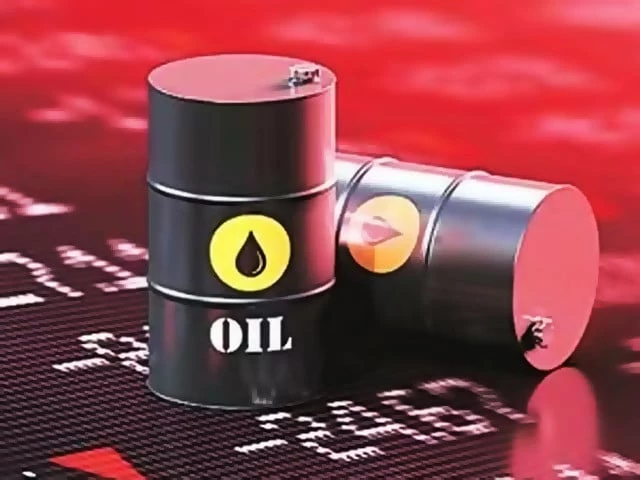
Pakistan's short-term inflation remained elevated at 15.28% year-on-year for the week ended June 18, 2026, indicating that domestic price pressures continue to persist despite a recent easing in global oil market concerns following the US-Iran peace agreement.
The government has reduced petroleum product prices by up to Rs74, so relief is expected in the coming weeks.
Data released by the Pakistan Bureau of Statistics (PBS) showed that the Sensitive Price Indicator (SPI), which tracks weekly movements in the prices of 51 essential commodities, increased by 15.28% compared with the corresponding week of last year. On a week-on-week basis, the SPI rose 0.46%, reflecting continued pressure on household budgets.
The latest reading comes days after global crude oil prices retreated from recent highs amid signs of de-escalation in Middle East tensions. While lower international oil prices are expected to ease imported inflationary pressures in the coming weeks, analysts believe domestic consumers are yet to benefit as food and utility costs remain elevated.
According to PBS, some of the largest annual increases were recorded in onions, which surged 79.76%, followed by tomatoes at 68.59%, wheat flour at 58.72%, LPG at 52.66%, petrol at 44.73%, diesel at 44.39%, and electricity charges for the first consumption slab at 59.40%. Mutton, beef, garlic and bread also posted notable increases over the past year.
On a weekly basis, the SPI was driven higher mainly by a sharp rise in tomato prices, which jumped 16.65%, while potatoes increased 6.82% and chicken prices rose 5.60%. Prices of washing soap, gur, LPG, mutton, eggs and fresh milk also edged up during the week.
However, some relief was observed in selected commodities. Onion prices fell 2.98% during the week, while garlic, bananas, petrol, wheat flour and diesel also registered declines. Petrol prices dropped 1.06% and diesel fell 0.51% compared with the previous week.
The PBS data showed that price increases remained broad-based. Out of 51 commodities monitored, prices of 25 items increased, 11 declined and 15 remained unchanged during the week.
Inflationary pressures were particularly pronounced for lower-income households. The lowest consumption quintile recorded a weekly increase of 0.64%, compared with 0.39% for the highest-income group. On an annual basis, inflation for the second-lowest income group stood at 16%, the highest among all expenditure categories.
Furthermore, the Pakistani rupee gained marginally against the US dollar in the interbank market, closing at 278.25, up Rs0.01 from Thursday's close of 278.26.
Meanwhile, the dollar index reached a 13-month high after new Federal Reserve Chair Kevin Warsh vowed to combat inflation, prompting traders to price in at least one rate hike this year. Meanwhile, gold prices in Pakistan dropped on Friday, mirroring the decline in international markets. In the domestic market, the price of gold per tola fell by Rs14,900 to Rs438,036.
According to the All-Pakistan Gems and Jewellers Sarafa Association (APGJSA), 10 grams of gold was traded at Rs374,205 after a decrease of Rs13,410.
On Thursday, the price per tola had already declined by Rs2,300 to close at Rs452,963. Internationally, gold prices fell by $149 to reach $4,156 per ounce (including a $20 premium). Meanwhile, silver prices also decreased by Rs413, settling at Rs6,946 per tola.










This material may not be published, broadcast, rewritten, redistributed or derived from. Unless otherwise stated, all content is copyrighted © 2026 The Express Tribune.











COMMENTS
Comments are moderated and generally will be posted if they are on-topic and not abusive.
For more information, please see our Comments FAQ