Gold falls despite global gains
Updated 7 hours ago

Contribute $1.6b including non tech services amid historic high of $4b trade
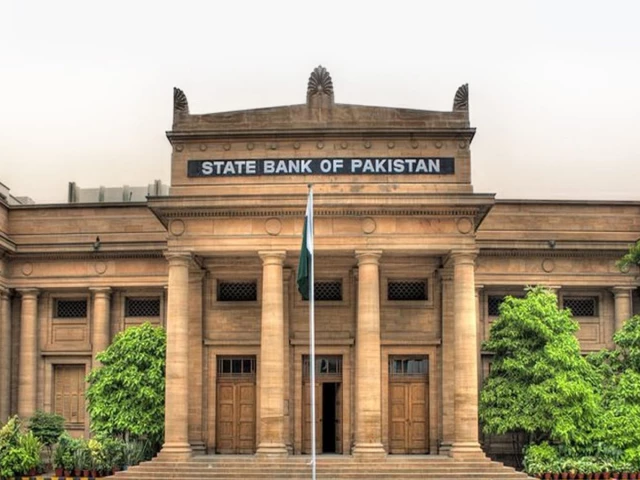
Pakistani freelancers have strengthened their position as a key contributor to the country's digital economy, with their share in overall IT exports rising to 25% during the first 11 months of the current fiscal year, according to data released by the State Bank of Pakistan (SBP).
The milestone comes as freelance export earnings crossed the $1 billion mark for the first time in the country's history, reflecting the rapid growth of Pakistan's digital workforce and its increasing participation in the global freelance market. Pakistan's total IT exports have reached a remarkable $4 billion this year.
SBP data showed that freelancers operating in IT and related sectors earned more than $1.06 billion during July-May FY2025-26, compared with $708 million during the corresponding period last year, registering an impressive year-on-year growth of 49.7%.
In comparison, freelancers accounted for 20.3% of Pakistan's total IT exports during the same period of the previous fiscal year, highlighting a significant increase in their contribution to the sector's overall export earnings.
However, this number has raised suspicions among some in the industry who believe that companies are manipulating tax relaxation by classifying their employees as freelancers. Freelancers counter this argument by emphasising that the inflow of foreign exchange into the country is what truly matters. They argue that the government should take action to create a more transparent environment, which would enhance freelancers' access to international markets. This support would not only benefit freelancers and their families but also contribute to government revenue by bringing in more dollars.
Industry experts attribute the strong growth to the increasing adoption of freelancing among young professionals, growing demand for Pakistani digital services in international markets, and a series of policy measures introduced by the government to facilitate freelancers. Simplified reporting requirements, improved banking channels and greater flexibility in managing foreign currency earnings have encouraged more freelancers to route their export receipts through formal financial channels.
Chairman of the Pakistan Freelancers Association (PAFLA), Ibrahim Amin, described the achievement as a landmark moment for Pakistan's freelance community and expressed confidence that freelancers could generate up to $3 billion annually in export earnings over the next few years if provided with a supportive policy environment.
He welcomed the government's decision to retain the 0.25% final tax regime (FTR) for freelancers, noting that many already face significant deductions in the form of commissions and service charges imposed by international freelancing platforms and payment service providers, which can consume between 25 and 30% of their earnings.
He further emphasised the need for reliable high-speed internet and uninterrupted electricity, saying that robust digital infrastructure remains essential for sustaining the growth of the freelance sector. Pakistan is estimated to have nearly three million freelancers, including both full-time and part-time professionals, making it one of the largest freelance markets in the world.
Commenting on future trends, AI Integration Researcher Dr Munawar Javed Ahmad said the rapid rise of artificial intelligence (AI) is transforming the global job market and reshaping the nature of freelance work.
"AI-powered tools are automating many routine tasks at an unprecedented pace, creating both challenges and opportunities for freelancers worldwide," he said. "Those who develop expertise in AI and learn to integrate these technologies into their work will remain highly competitive and better positioned to increase their earnings."
Ahmad noted that future growth in freelance export earnings will increasingly depend on the adoption of AI-related skills and their application across a wide range of projects and industries. He called for closer collaboration between the government and the private sector to equip freelancers with emerging digital skills.
"The government, together with industry stakeholders, should launch specialised training programmes, boot camps and capacity-building initiatives focused on artificial intelligence to help Pakistani freelancers remain competitive in the evolving global marketplace," he added.
SBP data further showed that Pakistan received an additional $533 million through non-IT freelance services during the same period, taking the overall contribution of freelancers to nearly $1.6 billion in foreign exchange earnings during the first 11 months of FY2025-26.
The record-breaking performance underscores the growing importance of Pakistan's freelance economy, which is emerging as a major driver of export growth, employment generation and foreign exchange inflows for the country.














This material may not be published, broadcast, rewritten, redistributed or derived from. Unless otherwise stated, all content is copyrighted © 2026 The Express Tribune.








COMMENTS (1)
Comments are moderated and generally will be posted if they are on-topic and not abusive.
For more information, please see our Comments FAQ