Israeli minister under fire over 'inhumane' Gaza remarks
Updated 1 hour ago

Iran lost its top political and military brass during the 108-day war with the US and Israel, amid world unrest
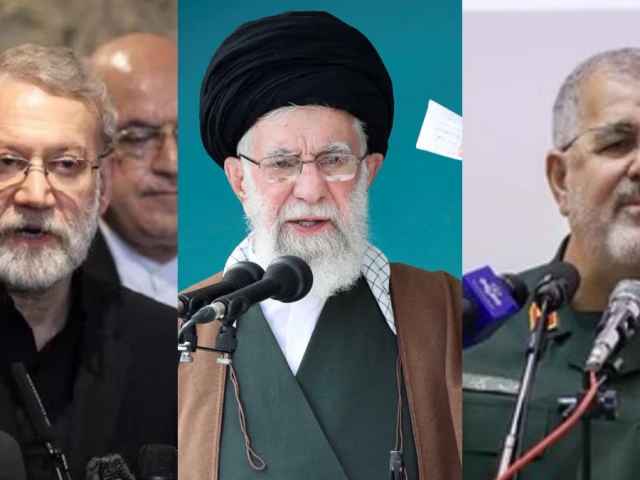
Over the course of the US-Israeli war on Iran, waves of airstrikes killed an entire echelon of the Islamic republic's political and military elite, starting with Supreme Leader Ali Khamenei.
President Donald Trump had claimed in March that the campaign had achieved "regime change", but Iran showed resilience in rapidly replacing killed leaders and keeping up the war against the US and Israel.
With Washington and Tehran agreeing on a deal announced on Monday to halt the conflict, here is a recap of some of the key figures killed in the war:
Supreme leader Ayatollah Ali Khamenei
Khamenei, Iran's number one since 1989, was killed in the first hour of the war on February 28 in a strike on a meeting of senior officials in Tehran that also left his daughter-in-law, daughter and at least one grandchild dead, according to reports.
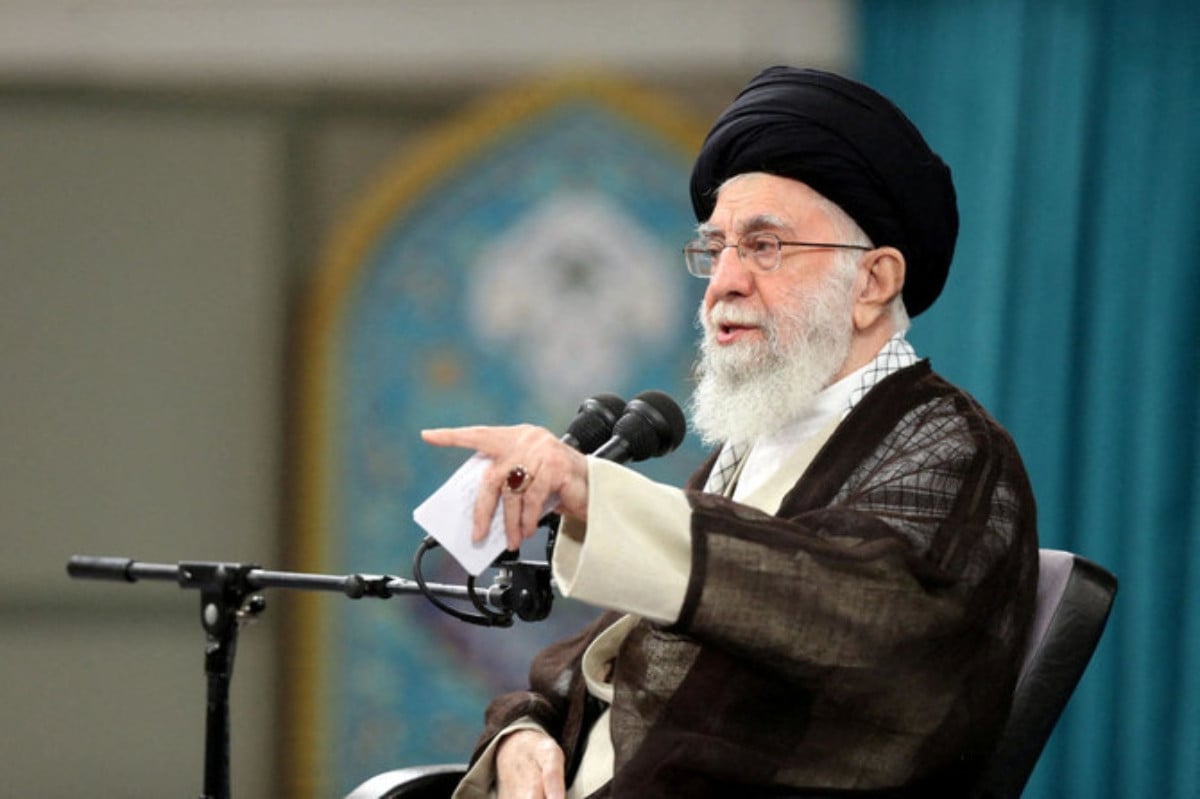
On July 9, Khamenei will be buried in the Imam Reza Shrine in the city of Mashhad following a funeral ceremony there on July 18. PHOTO: REUTERS
His low-profile son Mojtaba survived — although reportedly with injuries — and took over as supreme leader. He has yet to make a public appearance.
Read More: Trump says deal with Iran 'all signed', adding that Strait of Hormuz will be 'completely opened' on Friday
Ali Khamenei has yet to be buried, with state media reporting on Saturday that his funeral will take place on July 9 in his hometown, the northeastern city of Mashhad, following three days of funeral ceremonies in Tehran and another in the holy city of Qom.
Security chief Ali Larijani
The killing of Larijani, who, despite not being a cleric, was a pillar of the system for decades, was likely the biggest loss to the Islamic Republic after the death of Ali Khamenei.
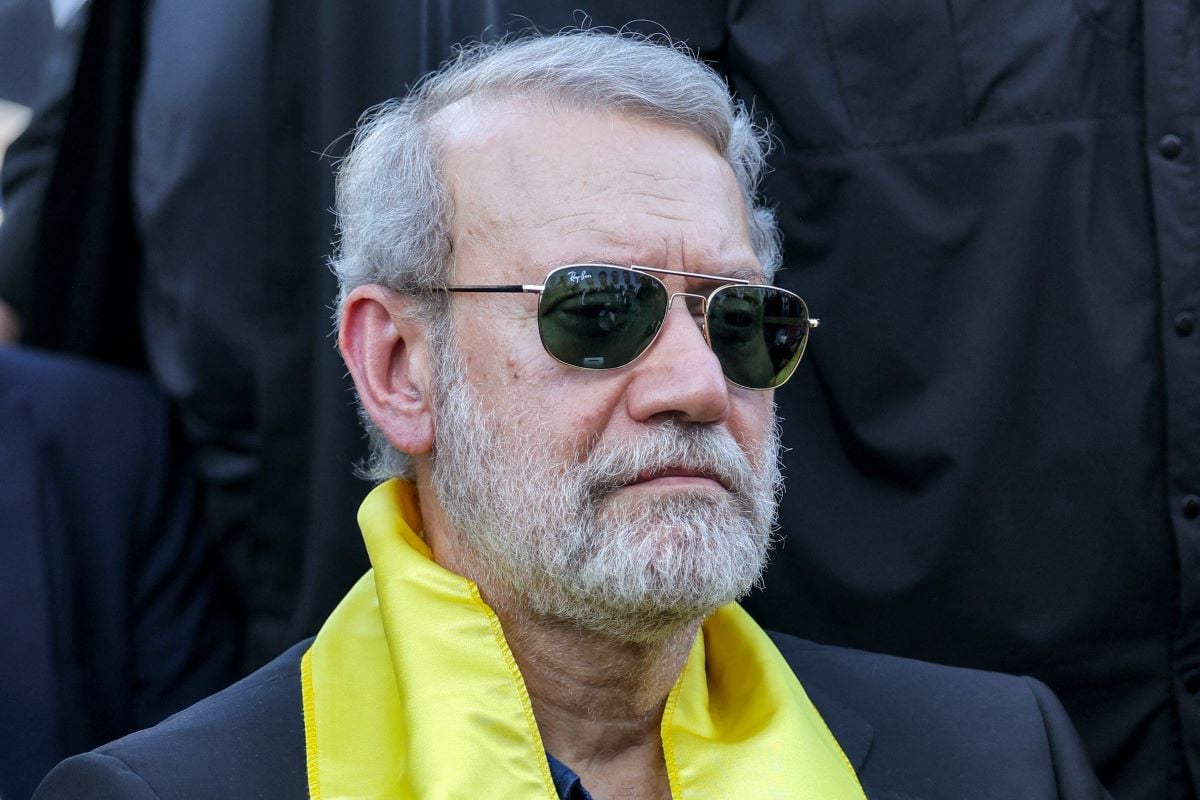
Iran's security chief Ali Larijani attends a ceremony by the Lebanese Shiite movement Hezbollah marking the first anniversary of Israel's assassination of their longtime leader Hassan Nasrallah, in Beirut's southern suburbs on September 27, 2025. PHOTO:AFP
Larijani was killed on March 17 in an Israeli strike, reportedly in the Tehran region and which also killed family members.
The previous week, he had defiantly walked in public in Tehran at a pro-government rally.
Revolutionary Guards chief Mohammad Pakpour
Pakpour, previously head of the Guards' ground forces, took over as commander-in-chief in June 2025 after his predecessor Hossein Salami was killed in Israel's 12-day war against Iran.
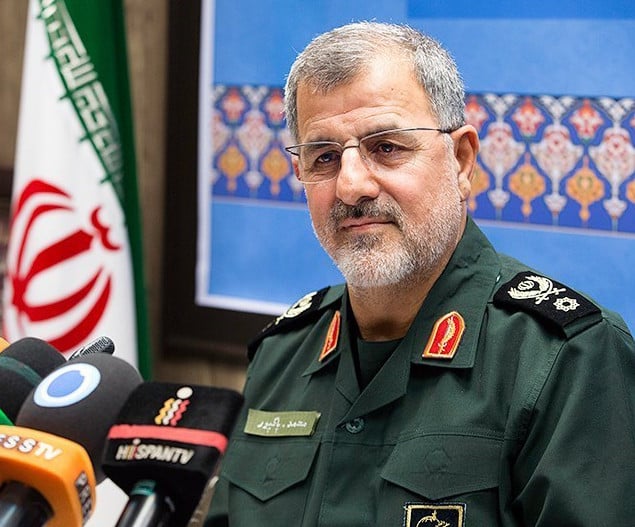
Iran’s supreme leader Ayatollah Ali Khamenei swiftly appointed Mohammad Pakpour as new Revolutionary Guards who was also assassinated. PHOTO: TASNIM NEWS
He was killed on the first day of the war and has been replaced by former interior and defence minister Ahmad Vahidi.
Guards Naval Chief Alireza Tangsiri
A veteran of the 1980-1988 Iran-Iraq war, Tangsiri was one of the longest-serving senior figures in the Revolutionary Guards as the head of its navy since 2018 and one of its highest-profile faces within the Islamic republic.
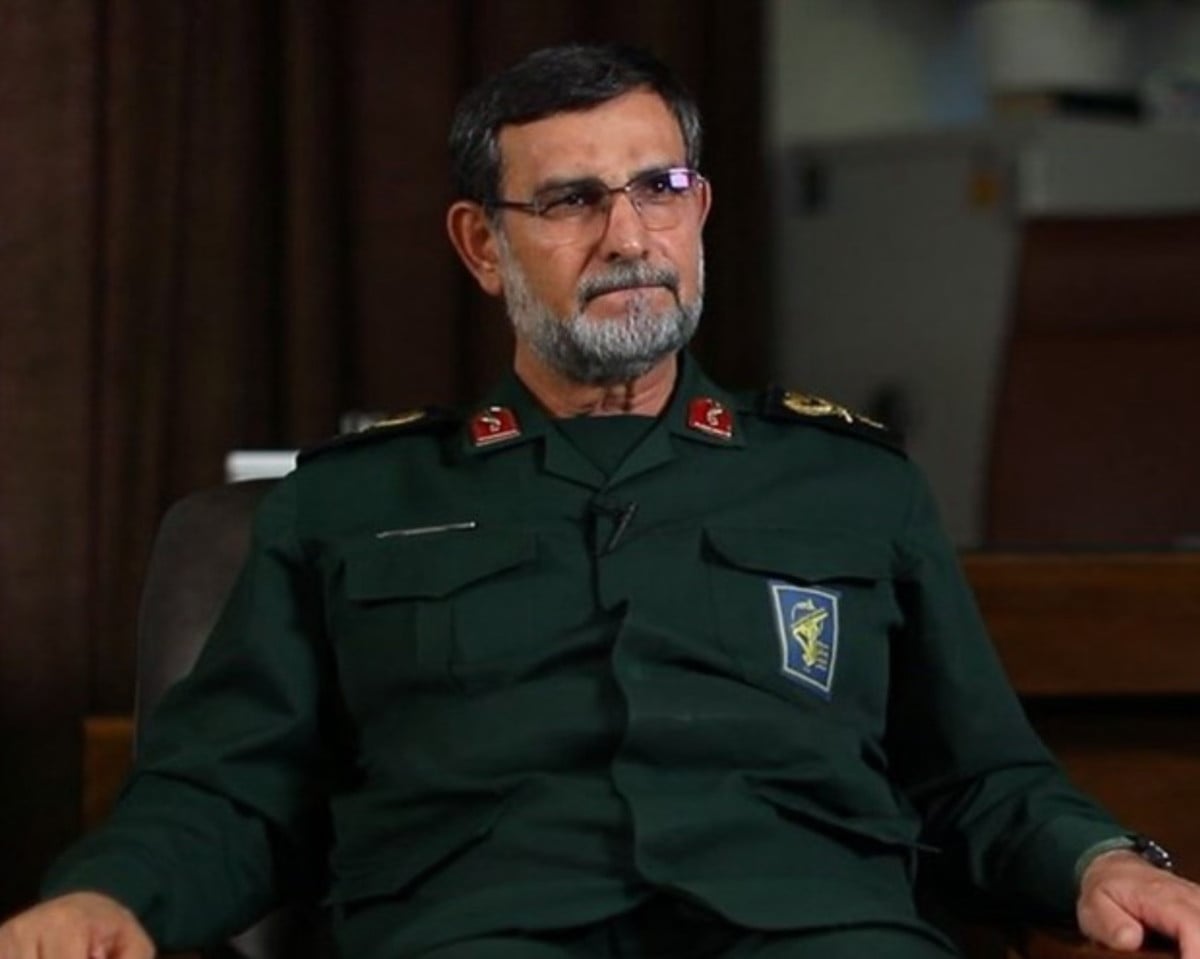
Commander of the Islamic Revolution Guards Corps (IRGC) Alireza Tangsiri was assassinated in a strike on port city of Bandar Abbas. Photograph: Tasnim
Israel's defence minister described him as the "man who was directly responsible for the terrorist operation of mining and blocking the Strait of Hormuz".
Adviser Ali Shamkhani
Shamkhani, a mainstay of the Islamic Republic's armed forces since the 1980s, was killed in an airstrike on the first day of the war.
He was given a public funeral in Tehran's Tajrish Square.
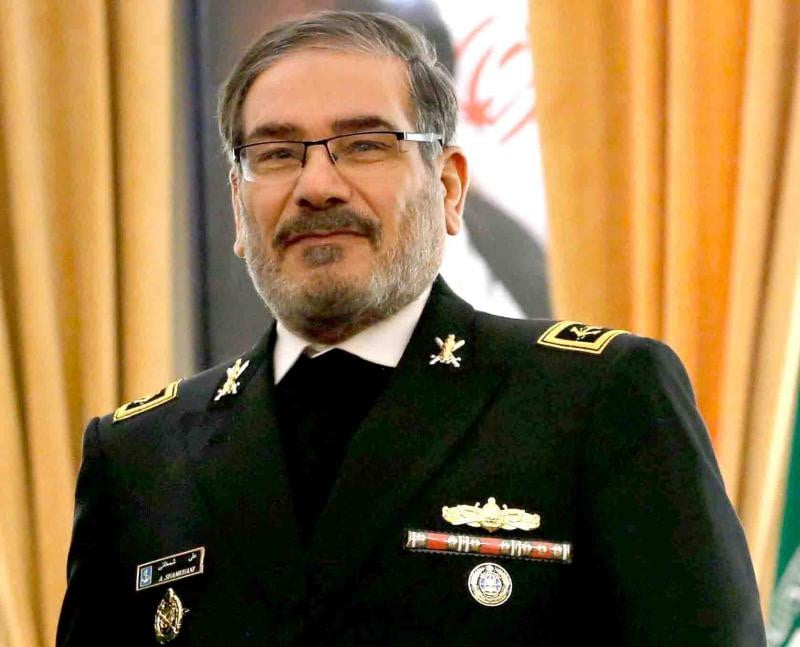
Ali Shamkhani, adviser to Iran's Supreme Leader Ali Khamenei was also among the top military leaders of Iran. PHOTO: AFP
He had been severely wounded, and initially reported dead, in a strike during Israel's June war against Iran, but later re-emerged.
Intelligence Minister Esmail Khatib
A cleric, Khatib, was killed by an Israeli strike in Tehran early on March 18.
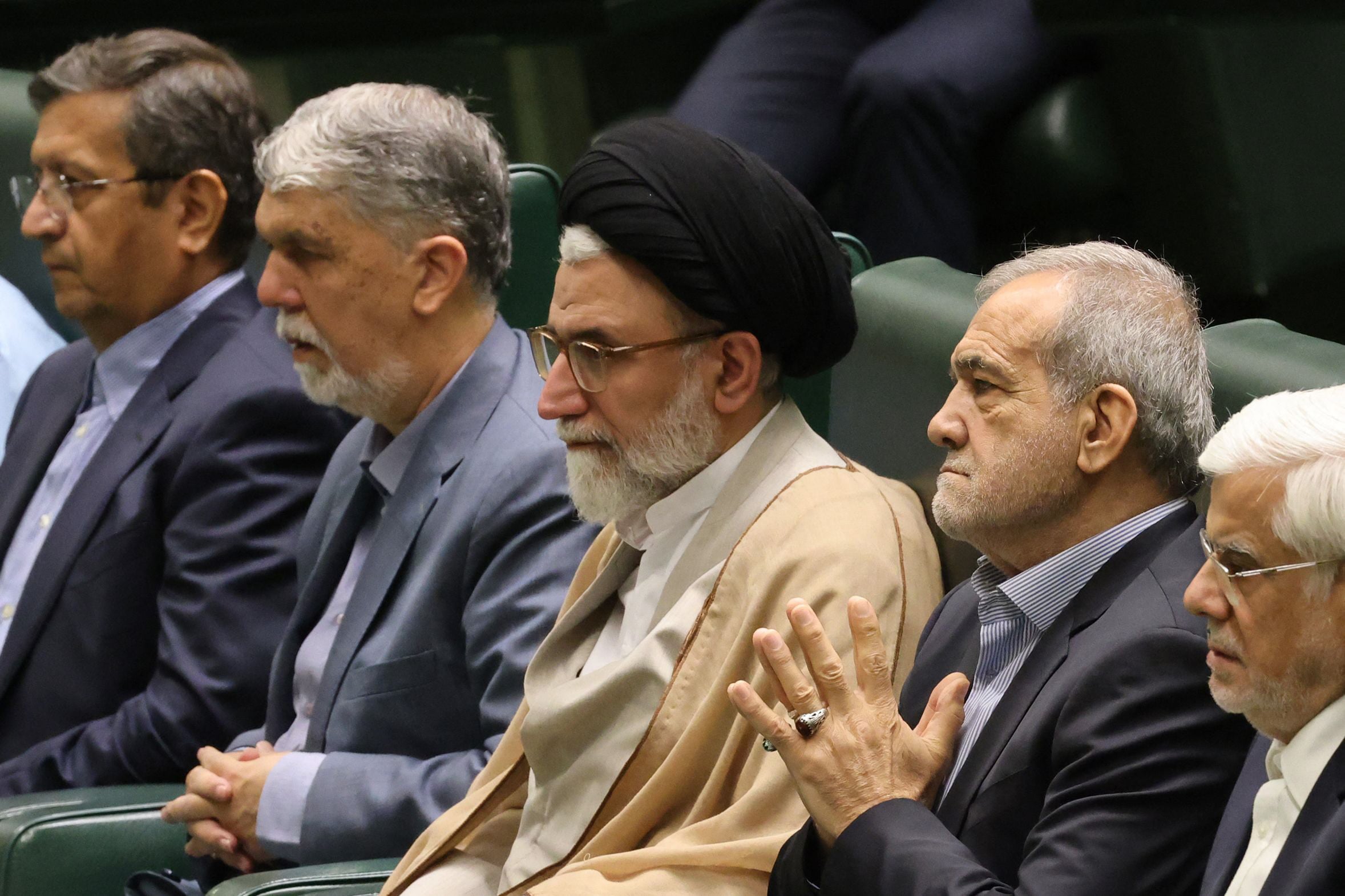
Iran's Minister of Intelligence Esmail Khatib sits with Iran's President Masoud Pezeshkian before a speech to defend his cabinet selection to members of parliament in the capital Tehran on August 17, 2024. PHOTO FILE: AFP
As Iran's intelligence minister since 2021, he was accused by rights groups of playing a key role in the suppression of protests.
Defence Minister Aziz Nasirzadeh
A veteran of the Iran-Iraq war in the 1980s, Nasirzadeh had served as defence minister since 2024.
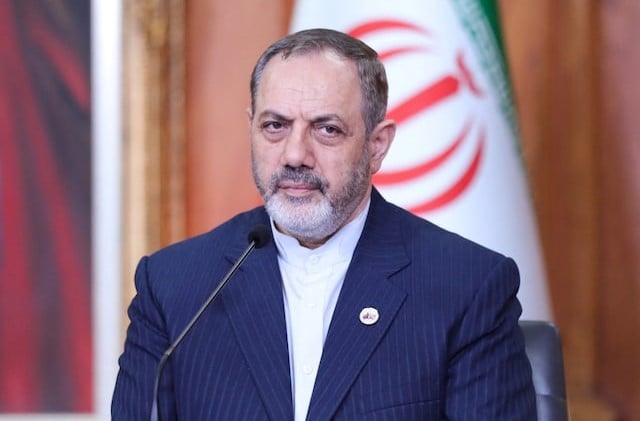
Aziz Nasirzadeh was also a war veteran. PHOTO: REUTERS
He was also killed in a strike on the first day of the war.
Basij commander Gholamreza Soleimani
Soleimani headed the Basij, a volunteer paramilitary group that is a branch of the Revolutionary Guards and notorious among rights groups for suppressing protests.
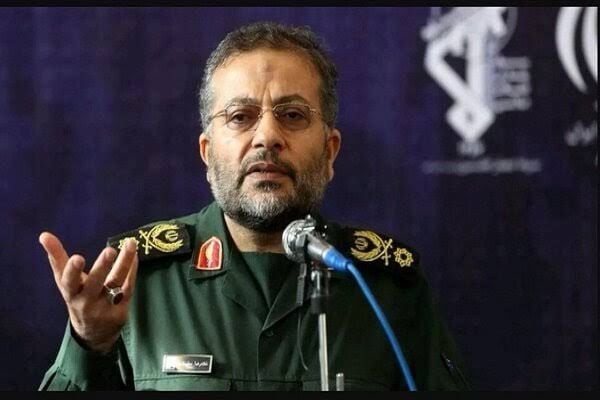
A file photo of Basij force commander Gholamreza Soleimani
He was killed in an airstrike on March 17.
Guards spokesman Ali Mohammad Naini
Naini was killed in March in what the Guards described as a "cowardly" attack by the United States and Israel.
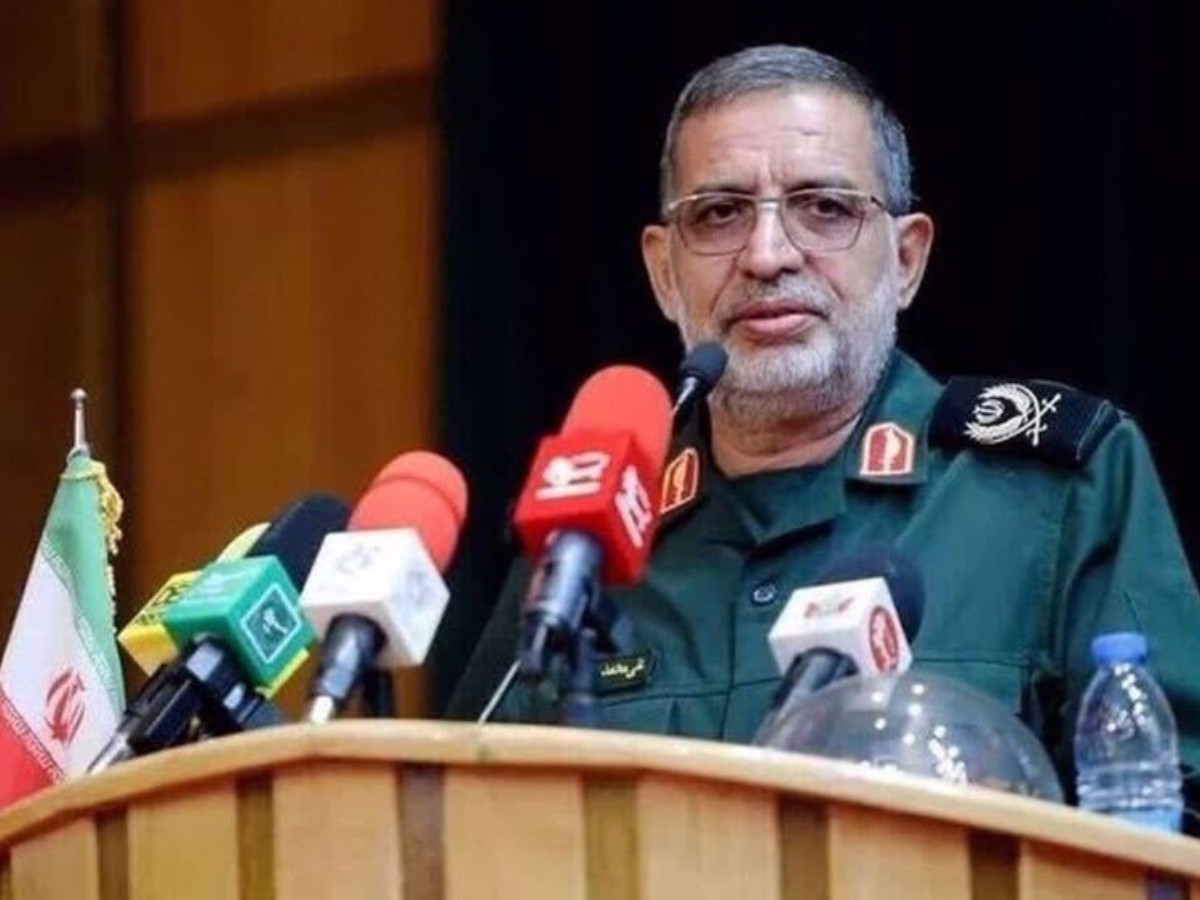
IRGC Spokesman Ali Mohammad Naini. PHOTO: X
Just before his death was confirmed, the Fars news agency issued a statement quoting Naini as saying Iran's missile production deserved a "perfect score" and was continuing despite the war.
Head of the military office Mohammad Shirazi
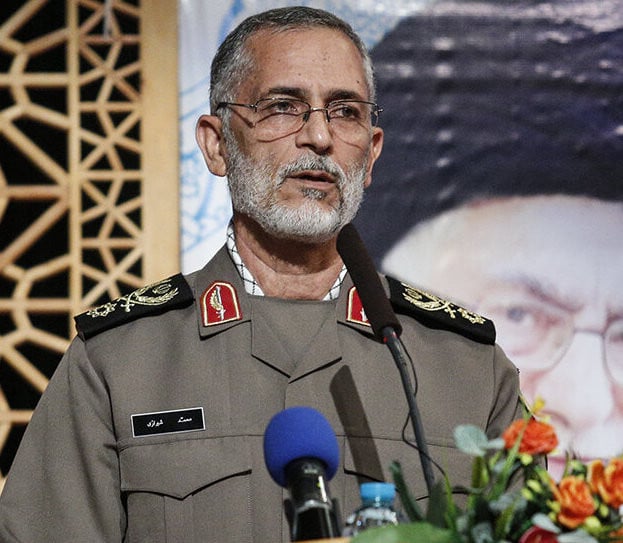
Mohammad Shirazi Killed on the opening day of the war. PHOTO: WIKIMEDIA COMMONS
Killed on the opening day of the war, Shirazi had the crucial job of coordinating between the various branches of the Iranian security forces at the office of the Supreme Leader.
Armed forces chief Abdolrahim
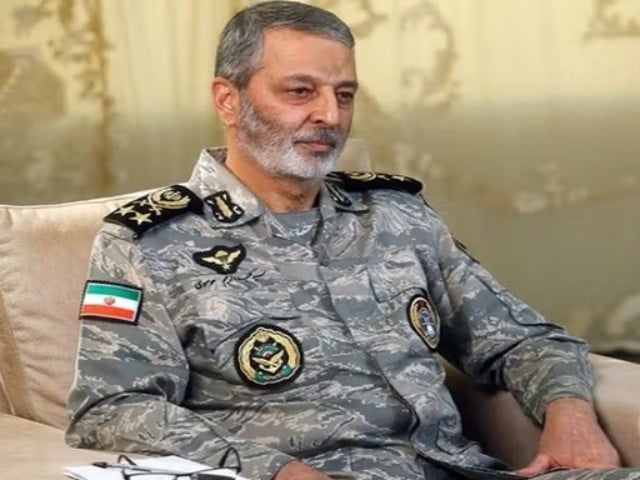
Iran’s armed forces chief of staff, Abdolrahim Mousavi
Mousavi, killed on the first day of the war, had only taken up his post — a senior position that coordinates between the Guards and the regular army — in June 2025 following the death of his predecessor Mohammad Bagheri in the 12-day war.



This material may not be published, broadcast, rewritten, redistributed or derived from. Unless otherwise stated, all content is copyrighted © 2026 The Express Tribune.



COMMENTS
Comments are moderated and generally will be posted if they are on-topic and not abusive.
For more information, please see our Comments FAQ