Karachi's ticking time bomb
Updated 1 hour ago

Farmers, officials warn delayed rehabilitation threatens agri, rural livelihoods
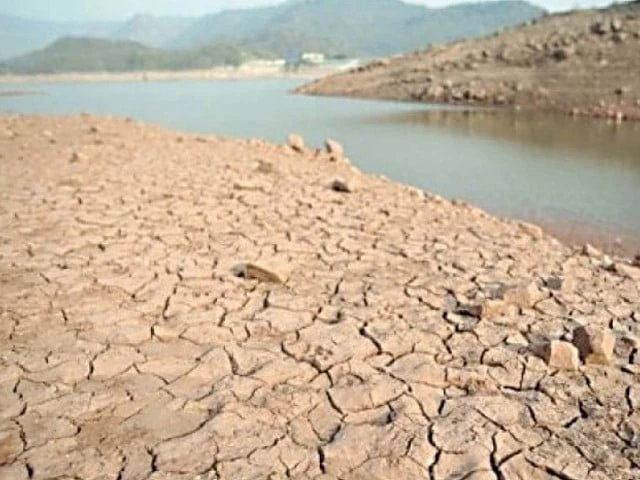
Tens of thousands of acres of fertile farmland across Larkana division remain uncultivated as three major irrigation canals fed by the Sukkur Barrage continue to deteriorate, threatening agricultural production, rural livelihoods and water security in one of Sindh's key farming regions.
The alarm was sounded by government officials, irrigation experts and farmers' representatives during a workshop of the Sindh Water and Agriculture Transformation (SWAT) Project, where participants stressed the urgent need to rehabilitate the Dadu, Rice and North West canals before the situation worsens.
"The right-bank canals of Sukkur Barrage have deteriorated significantly over time and are now under increasing pressure due to population growth and rising water demands," Adviser to the Chief Minister on Agriculture Khair Muhammad Sheikh said. He emphasised that modernisation and rehabilitation of the ageing canal network had become indispensable for ensuring reliable water delivery to command areas and sustaining agricultural productivity.
Participants noted that the canals, constructed nearly a century ago, have exceeded their designed lifespan and are increasingly unable to meet irrigation requirements across large parts of upper Sindh.
Project Director SWAT Jamal Mangan warned that continued delays in rehabilitation could disrupt water supplies to tail-end regions and inflict further damage on the agricultural economy. He pointed out that similar problems in the Nara Canal System and Kotri Barrage canals had been successfully addressed through rehabilitation projects that improved water flows and operational efficiency.
Larkana Mayor Anwar Ali Lohar said the declining carrying capacity of the canals had emerged as a major challenge for the region. He argued that restoring the irrigation network would not only bring more land under cultivation but also generate employment opportunities and strengthen the local agricultural economy.









This material may not be published, broadcast, rewritten, redistributed or derived from. Unless otherwise stated, all content is copyrighted © 2026 The Express Tribune.






COMMENTS
Comments are moderated and generally will be posted if they are on-topic and not abusive.
For more information, please see our Comments FAQ