Alphabet's SpaceX bet grows to $94b
Updated 5 hours ago

Rate cuts for 550,000 middle-income earners as IMF sets ceiling on budget
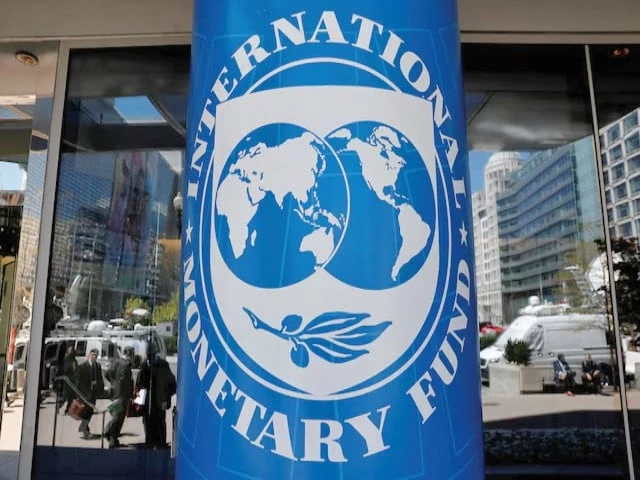
The government may not be able to provide any significant tax relief to all the affected people and businesses while remaining with the International Monetary Fund (IMF) programme and is now considering limiting it largely to the salaried class and industrialists.
The government officials told The Express Tribune that the tax authorities have shared the list of relief measures with the prime minister and left the final decision to him. The finance ministry would now take up the final list with the IMF for its endorsement before June 10.
The proposed relief list included some adjustments for the salaried class, mainly for Rs200,000 to Rs300,000 monthly income, abolishing 15% dividend income tax on companies, withdrawal of 1% tax for exporters and whether to lower taxes on mobile phones.
There have also been proposals like reducing the corporate income tax rate and super tax. The choice could be whether to go for a headline number of abolishing 15% dividend income tax or partly lower the corporate or super tax rates, which may not have a big impact, the sources added.
The sources said that there were three different proposals for giving any relief to the salaried persons. The base proposal was to cut the income tax rate on the Rs200,000 to 300,000 monthly salary in which about 550,000 taxpayers fall. This class is considered part of the middle income group, which is buried under heavy taxes and energy prices. For up to Rs267,000 monthly income, the proposal is to reduce rates by 4% and on up to Rs341,000 to reduce the rate by 5%.
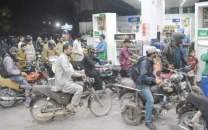
The government on Friday passed on only Rs4 per litre reduction in petrol prices, as against the Rs26.60 per litre reduction in the international market. It increased the levy rate on petrol to Rs116.08 per litre to keep the diesel prices unchanged. The petrol consumers have been denied their due right, particularly to the poor motorcyclist and small car owners.
Prime Minister Shehbaz Sharif had promised the people that the local prices would be reduced in accordance with the reduction in the international prices. According to the Chain Stores Association of Pakistan, there was on average 21% reduction in shopping at Eid compared with last year after people's purchasing power was badly affected by the higher prices of petrol.
The government may also cut the tax rate by 5% on over Rs342,000 per month in addition to adding a new slab and also relaxing the highest income slab limit to provide some meaningful relief.
The sources said that the second salaried class related proposal was to enhance the threshold of monthly income of Rs342,000 where the maximum 35% rate plus 10% surcharge hits the hardest.
They added that the IMF was willing to relax the ceiling to Rs467,000 a month but the government wanted further relaxation. There are about 160,000 individuals falling in the highest income tax bracket. The government was considering introducing a new income tax slab on up to Rs583,000 monthly earnings and charging a 32% income tax rate for this slab.
The government is trying to charge the maximum 35% income tax rate on over Rs583,000 monthly income. The final decision will be taken within a couple of days once the discussions with the IMF conclude. Abolishing the 10% surcharge on payment of 35% highest income tax was also under consideration, the sources added.
The government will also have to take a decision whether it wants to reduce the punitive 55% total tax on the import of a mobile handset, which is now a basic need in the era of digitisation. The sources said that the case was built in a manner where there was hardly a chance to reduce the rates, showing that mostly high-end mobile sets were imported in Pakistan. The government is charging over 55% of the prices of mobile phones in taxes, which are collected on the basis of six price bands, starting from the base price of $30 to over $500 per set.
On a minimum value of $700, the Federal Board of Revenue (FBR) charges Rs16,000 mobile levy, Rs22,000 regulatory duty, Rs11,500 withholding tax and above all 25% of the value of the handset inclusive of taxes as sales tax. By imposing these four types of taxes on a single handset of over $700, the FBR collected Rs18 billion in the last fiscal year.
The sources said that there were few chances for any relief in taxes for the real estate, particularly after the property valuation rates had been rationalised and exemption certificates to non-resident Pakistanis were being issued. One of the largest relief measures could be abolishing the 15% dividend income tax, which the large firms pay on paying dividends to their parent companies. The estimated revenue impact was in the range of Rs90 billion to Rs100 billion.
If the government picks the big ticket items, it may not have space for cutting the current 29% corporate income tax rate and 10% super tax rate. Another relief measure could be abolishing 1% advance income tax on exporters but the final decision would depend upon the availability of the fiscal space, the sources added. This could have a revenue impact of around Rs80 to Rs85 billion.
The sources said that few of the pending decisions were whether to increase the sales tax rates on paper, excluding newspapers, and stationery items at the import stage. There was also a proposal to introduce a third tier of federal excise duty on cigarettes. But the government was divided on the proposal and was seeking monetary guarantees from the existing compliant tobacco manufacturers.
There may not be a possibility to reduce the federal excise duty rate of 20% on juices and aerated water, which has badly hurt these units since 2023. Another decision is whether the government would increase the sales tax rates on hybrid and electric vehicles. The sources said that there was a likelihood that the sales tax rate on hybrid vehicles might be increased.










This material may not be published, broadcast, rewritten, redistributed or derived from. Unless otherwise stated, all content is copyrighted © 2026 The Express Tribune.


1727268465-0/Untitled-design-(42)1727268465-0-208x130.webp "independence 2 0")



COMMENTS (11)
Comments are moderated and generally will be posted if they are on-topic and not abusive.
For more information, please see our Comments FAQ