Brand reliability fetches demanded price
Updated 22 hours ago

Gulf crisis is not just another external shock, it is a warning that our economic model is unsustainable
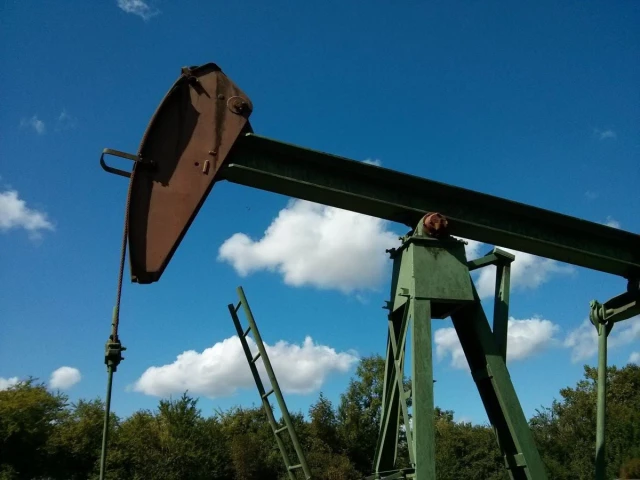
The renewed conflict in the Gulf has once again exposed a hard truth about Pakistan's economic architecture: we remain dangerously dependent on imported oil, and every geopolitical tremor in the Middle East reverberates through our economy with disproportionate force.
As tensions escalate and shipping risks rise across the Strait of Hormuz, global crude prices have surged. For Pakistan, this is not a distant regional conflict. It is an economic shockwave that hits our inflation, our currency, our fiscal balance and ultimately the daily lives of millions.
Oil is the backbone of Pakistan's inflation cycle. When global prices rise, the impact is immediate and broad. Transport becomes more expensive, electricity tariffs climb, manufacturing costs increase and food prices follow. A $10 per barrel increase in crude can add nearly a full percentage point to inflation. For households already struggling with record-high prices, this is not just an inconvenience. It is a direct hit to their purchasing power and quality of life.
But inflation is only the first domino. Pakistan imports roughly $18-20 billion worth of petroleum products annually. Every $5 increase in global crude prices adds about $1 billion to the import bill. That single number captures the scale of the vulnerability. A country already battling a fragile current account cannot absorb such shocks without consequences. The rupee weakens, external borrowing rises and the State Bank is forced into defensive monetary tightening. The fiscal side suffers too: higher fuel costs inflate power sector subsidies, deepen circular debt and squeeze development spending. The government ends up paying more simply to keep the system running, leaving less room for investment in health, education or infrastructure. In short, the Gulf war oil shock hits Pakistan at every weak point simultaneously.
The immediate challenge is to prevent the oil shock from spiralling into a broader economic crisis. But Pakistan must avoid the temptation of blanket subsidies – a politically attractive but fiscally disastrous response. The country has tried that route before, and it only leads to ballooning deficits and International Monetary Fund (IMF) interventions. A smarter approach is targeted relief: digital cash transfers through the Benazir Income Support Programme (BISP) or mobile wallets can cushion low-income households without distorting fuel prices for the entire economy. Limited support for public transport, agriculture and essential goods transporters can prevent inflation from spreading through the supply chain. These measures protect the vulnerable without blowing up the budget.
Pakistan can also make strategic use of existing fuel stocks. While our reserves are limited, even a modest release can smooth temporary spikes, prevent panic buying and reduce immediate import pressure. This buys time while markets stabilise.
Energy conservation is another underused tool. Early market closures, reduced government office hours and mandatory energy-efficient lighting may sound symbolic, but they can shave millions off the import bill. Even a 5% reduction in national fuel consumption translates into hundreds of millions of dollars saved annually.
Diplomatically, Pakistan must leverage its relationships with Saudi Arabia, the UAE and Qatar – not for handouts, but for structured support such as deferred payment arrangements, flexible LNG scheduling or short-term swaps. These mechanisms have helped in past crises and can provide breathing room again. Finally, with an IMF programme underway, timely external inflows are essential. A stable exchange rate is the first line of defence against imported inflation. Without it, every other measure becomes harder. While short-term measures can soften the blow, they do not address the underlying problem. Pakistan's vulnerability is structural. As long as the country relies heavily on imported fossil fuels, every geopolitical crisis in the Gulf will threaten our economic stability.
The long-term solution is not a mystery. It requires political will, policy continuity and a shift in national priorities. The following elements must underpin a longer-term solution:
First, accelerate the shift to renewable energy. Pakistan has abundant solar and wind potential. Yet our energy mix remains dominated by imported fuels. A serious push towards renewables would: reduce the import bill, stabilise electricity prices, cut circular debt and attract foreign investment. A target of 50% renewable energy by 2030 is ambitious but achievable – and essential.
Second, expand domestic refining capacity. Pakistan imports a large share of refined petroleum products, which are more expensive than crude. Upgrading and expanding refineries would: improve energy security, reduce reliance on refined imports and create industrial capacity and jobs. Saudi Arabia's proposed refinery investment in Gwadar could be transformative if executed with transparency and long-term planning.
Third, electrify transport, which consumes the bulk of Pakistan's fuel. Electrifying even a fraction of it – especially buses and motorcycles – would significantly reduce oil demand. This requires: charging infrastructure, incentives for electric vehicle adoption and localisation of EV manufacturing. Countries across Asia have already demonstrated how quickly such transitions can occur with the right policies. Fourth, fix the power sector. Circular debt is a structural cancer. No energy strategy can succeed without addressing transmission losses, tariff distortions, inefficient DISCOs and capacity payment burdens. A financially healthy power sector reduces fiscal pressure and stabilises energy prices. Fifth, build a strategic petroleum reserve. Most major economies maintain 60-90 days of reserves. Pakistan has only a fraction of that. A national reserve would: cushion future price shocks, provide supply security and strengthen bargaining power. This requires investment, but the cost of not having it is far higher.
This is a moment of reckoning. The Gulf crisis is not just another external shock. It is a warning – a reminder that Pakistan's economic model is unsustainable as long as it remains tethered to imported oil.
THE WRITER IS CHAIRMAN OF MUSTAQBIL PAKISTAN. HE HOLDS AN MBA FROM HARVARD BUSINESS SCHOOL







This material may not be published, broadcast, rewritten, redistributed or derived from. Unless otherwise stated, all content is copyrighted © 2026 The Express Tribune.










COMMENTS (3)
Comments are moderated and generally will be posted if they are on-topic and not abusive.
For more information, please see our Comments FAQ