UN chief condemns Quetta train blast
Updated 6 hours ago

80 per cent of patients undergo cataract surgery at private or charity hospitals
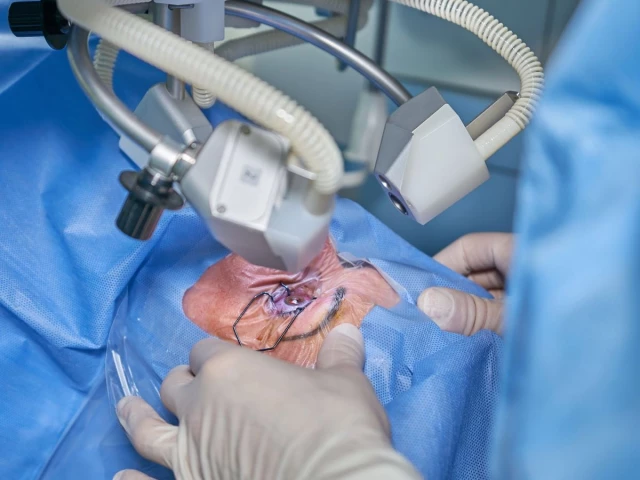
Complete facilities for the treatment of cataracts are not available in any government hospital in Sindh, including Karachi. While cataract surgeries are performed free of charge in government hospitals, patients are asked to arrange intraocular lenses (IOLs) from outside.
Cataract surgeries are conducted in major hospitals in Karachi such as Civil Hospital, Jinnah Hospital, Lyari Hospital, and a few others, but district-level hospitals in Karachi largely lack even basic cataract surgery facilities.
In major cities of the province, both public and private hospitals offer better eye care services, but rural areas face a severe shortage of ophthalmologists and eye care facilities.
Due to the high cost of intraocular lenses used after cataract surgery, they are no longer provided free of charge in most hospitals. However, at Civil Hospital, lenses are provided to poor patients through the Zakat fund. Around 80 per cent of patients undergo cataract surgery in private hospitals or those run by charitable organizations.
According to an investigation by The Express Tribune, thousands of patients who cannot afford lenses are unable to undergo surgery, increasing their risk of blindness. In Karachi, even charitable eye hospitals perform surgeries free of cost, but patients are still required to purchase lenses and eye drops themselves.
Currently, lenses used in private hospitals for cataract surgery range from Rs50,000 to Rs200,000. Various types of lenses are available in the market, but they are becoming increasingly unaffordable for low-income patients, especially since most surgical equipment is imported and prices continue to rise.
Eye specialists state that there is no reliable data on blindness in Pakistan. However, estimates suggest that more than 2 million people in the country suffer from blindness, including over 345,000 in Sindh alone. Major causes of blindness include congenital conditions, cataracts, and diabetes. Cataracts cause clouding of the eye’s natural lens, leading to blurred vision and progressively worsening eyesight.
Renowned ophthalmologist Dr Muhammad Shahnawaz Munami informed that more than 2 million people in Pakistan are affected by blindness, with over 345,000 cases in Sindh. “There is no official data on blindness or cataracts in the country, and estimates are based on clinical experience and observations by specialists and welfare organizations,” shared Dr Munami.
Former Medical Superintendent of Spencer Eye Hospital, Dr Abdul Jabbar, stated that no surgeries have been performed at the hospital for the past two and a half months due to ongoing renovation work. “Operations will resume next week once repairs are completed. Poor patients receive free lenses at the hospital, although many patients prefer to purchase expensive lenses of their choice,” said Dr Jabbar.
Currently, cataract surgeries in private hospitals cost between Rs100,000 and Rs300,000. At Spencer Eye Hospital, around 15 to 20 surgeries are performed weekly.
Medical Superintendent of Civil Hospital, Dr Khalid Bukhari, stated that the hospital provides both outpatient and surgical eye care services. “Over 150 patients visit the OPD daily, out of which 60 to 70 undergo cataract surgery. The hospital provides free lenses to deserving patients, although some patients choose to buy lenses of their preference and provide them to the operating theater themselves,” said Dr Bukhari.











This material may not be published, broadcast, rewritten, redistributed or derived from. Unless otherwise stated, all content is copyrighted © 2026 The Express Tribune.










COMMENTS
Comments are moderated and generally will be posted if they are on-topic and not abusive.
For more information, please see our Comments FAQ