UN chief condemns Quetta train blast
Updated 5 hours ago

Xi urges open Hormuz passage as China, Russia and regional leaders call for ceasefire to hold
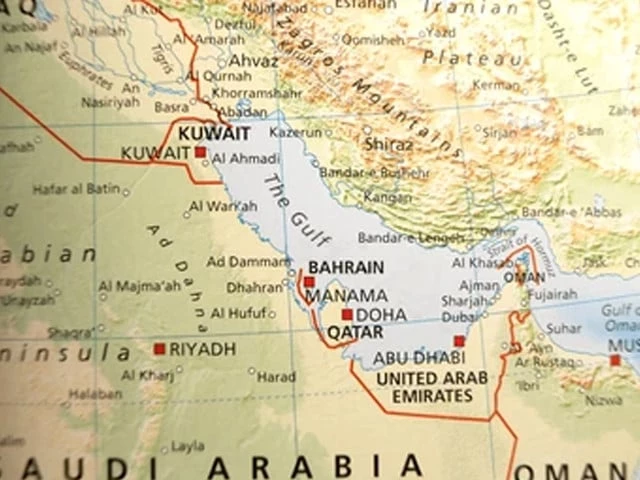
World leaders on Monday stepped up efforts to end the US-Israel-Iran war and resolve the Middle East conflict through diplomatic and political means.
Chinese President Xi Jinping called for the normal passage of ships through the Strait of Hormuz to be maintained in a phone call on with Saudi Arabia's Crown Prince Mohammed bin Salman.
China is concerned over renewed instability around the strategic waterway, as a US-Iran ceasefire came under fresh strain after the US seized an Iranian cargo ship and Tehran signalled it would not join new peace talks for now.
Beijing is the main buyer of Iranian crude. Iran has largely closed the strait to ships other than its own since the US and Israel launched the war in February, while Washington has imposed a blockade of Iranian ships since last week.
China advocates an immediate and comprehensive ceasefire, and insists on resolving conflicts in the Middle East through political and diplomatic channels, state news agency Xinhua cited Xi as saying.
"The Strait of Hormuz should remain open to normal passage, as this serves the common interests of regional countries and the international community," he told the Saudi leader.
Worries have mounted over the survival of the ceasefire between Washington and Tehran after the US seizure of the Iranian vessel. Trump had credited Beijing with helping to get Iran to the previous negotiations with the US in Pakistan.
The Chinese foreign ministry on Monday expressed concerns over the "forced interception" by the US of the Iranian ship, while urging relevant sides to abide by the ceasefire agreement.
Xi's call with the Saudi crown prince followed a meeting in Beijing last week with the crown prince of Abu Dhabi, when Xi urged adherence to international law.
He also told the Saudi crown prince that China supports countries in the Middle East in "taking their future and destiny into their own hands, and promoting long-term regional stability and peace".
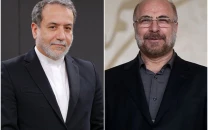
Meanwhile, Russian Foreign Minister Sergey Lavrov discussed the Middle East crisis in a phone call with his Iranian counterpart Abbas Araghchi on Monday.
The Russian Foreign Ministry said in a statement that Araghchi informed Lavrov of Tehran's position regarding the ceasefire with the US and Israel.
"Araghchi informed Lavrov of the Islamic Republic's position regarding ceasefire violations committed by the United States, including an illegal naval blockade of the Strait of Hormuz and a seizure of an Iranian container ship," it said.
The Russian side reiterated the need to maintain the ceasefire, which must be observed within the parameters initially agreed upon and announced by Pakistani mediators, the ministry noted.
"The importance of continuing diplomatic efforts aimed at preventing the situation from escalating uncontrollably and avoiding a relapse into armed confrontation was emphasised," it said.
Russia also reaffirmed its readiness to facilitate the achievement of mutually acceptable agreements between Iran and the Arab states of the Persian Gulf, the ministry said.
"The Iranian side, for its part, reaffirmed its readiness to take all necessary steps to ensure unimpeded passage of Russian vessels and cargo through the aforementioned waterway," it added.







This material may not be published, broadcast, rewritten, redistributed or derived from. Unless otherwise stated, all content is copyrighted © 2026 The Express Tribune.









COMMENTS
Comments are moderated and generally will be posted if they are on-topic and not abusive.
For more information, please see our Comments FAQ