SMEDA vows regional SME cooperation at D-8
Updated 4 hours ago

Brent crude futures were up 40 cents, or 0.4%, to $95.19 a barrel, paring earlier losses of as much as 0.9%

Oil prices were mixed on Wednesday with Brent futures up and US futures down amid uncertainty over crude supply from the key Middle East producing region as the Strait of Hormuz remains mainly shut.
Brent crude futures were up 40 cents, or 0.4%, to $95.19 a barrel at 0420 GMT, paring earlier losses of as much as 0.9%, after falling 4.6% in the previous session. US West Texas Intermediate crude was down 23 cents, or 0.3%, to $91.05. The contract earlier fell as much as 4.7% after dropping 7.9% the session before.
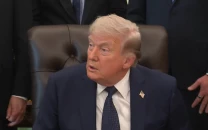
Talks to end the war between the US and Israel and Iran could resume in Pakistan over the next two days, US President Donald Trump said on Tuesday, after the collapse of negotiations over the weekend prompted Washington to impose a blockade on Iranian ports. This has increased optimism that talks could eventually settle the conflict and open up crude oil and fuel flows.
While the market is thinking the worst is over and factoring in further rounds of peace talks between the US and Iran in the coming days, there is more hope than actual developments at this point, said Suvro Sarkar, energy sector team lead at DBS Bank.
"Physical oil is still trading at significant premiums to these futures prices," he said.
Read: Oil relief shattered by Hormuz threat
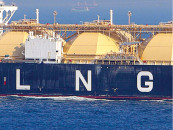
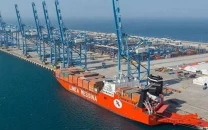
The war has mostly shut the Strait of Hormuz, a key waterway for crude and refined product flows out of the Gulf to global buyers, particularly in Asia and Europe.
Refiners are desperately seeking alternative crude supply, pushing the premiums they are willing to pay for oil from areas such as the US Gulf Coast and North Sea. A cargo of WTI Midland for delivery to Rotterdam traded at a record premium of $22.80 a barrel above benchmark European prices on Tuesday.
Despite a two-week ceasefire, transit through the strait remains uncertain, with traffic at only a fraction of the 130 or so vessels that moved through the waterway before the war, sources said on Tuesday. A US destroyer stopped two oil tankers from leaving Iran on Tuesday, a US official said.
"While diplomatic headlines suggest the possibility of renewed US-Iran talks and even a temporary easing of transit restrictions, the physical reality remains fragmented," the Schork Group said in a note.
The market stands to lose some access to further supply after two US administration officials told Reuters on Tuesday the US will not renew a 30-day waiver of sanctions on Iranian oil at sea that expires this week, and quietly let a similar waiver on sanctions on Russian oil expire over the weekend.
Read more: US, Iran may resume war talks this week despite port blockade
Later in the day, markets will be watching for official US inventory data from the Energy Information Administration due at 10:30 am ET (1430 GMT).
US crude oil stockpiles were expected to have risen slightly last week, while distillate and gasoline inventories likely fell, a Reuters poll showed.
Market sources familiar with American Petroleum Institute figures said on Tuesday that US crude oil inventories jumped for the third straight week.












This material may not be published, broadcast, rewritten, redistributed or derived from. Unless otherwise stated, all content is copyrighted © 2026 The Express Tribune.







COMMENTS
Comments are moderated and generally will be posted if they are on-topic and not abusive.
For more information, please see our Comments FAQ