Aga Khan wraps up Pakistan visit after high-level engagements with political leaders
Updated 1 hour ago

Amended provision to take effect on 9th February, 2026
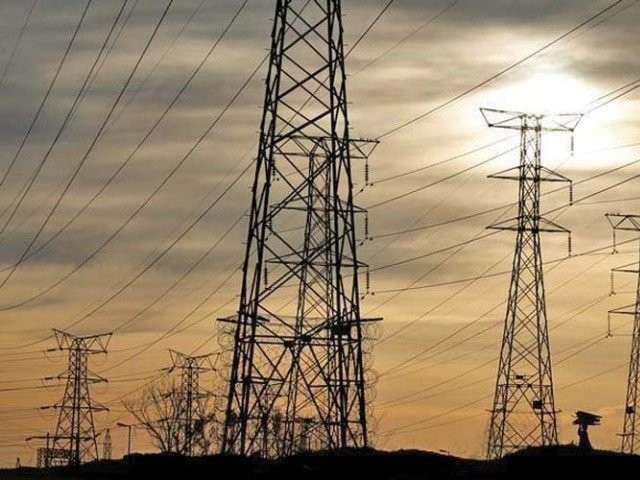
In a significant policy clarification for solar consumers, the National Electric Power Regulatory Authority (NEPRA) on Thursday amended its Solar Regulations 2026, assuring protection for existing net metering users while tightening rules for those seeking to expand their systems.
The notification states that "nothing shall affect approvals granted, licences or concurrences issued, and agreements executed under the repealed regulations," effectively safeguarding previously approved solar installations and their contractual terms.
NEPRA made it clear that any distributed generator operating under a valid agreement "shall be billed in accordance with the rate and mechanism provided in the repealed regulations till the expiry of the term of such agreement," ensuring continuity for existing consumers amid broader policy shifts.
However, the regulator drew a firm line on system modifications, warning that the financial advantages tied to earlier arrangements will not apply if there is a "material modification of distributed generation facility resulting in a change to the maximum electrical output."
The notification further clarified that the amended provision "shall be deemed to have taken effect on 9th February, 2026," giving the changes retrospective legal cover from that date.
The latest amendment comes against the backdrop of NEPRA's earlier decision to abolish the unit-for-unit net metering regime and transition towards a net billing system for both new and existing solar users, a move that had triggered concern among consumers and industry stakeholders.
By retaining existing agreements while restricting future modifications, the regulator appears to be balancing investor confidence with evolving energy policy priorities, as Pakistan navigates rising electricity costs and a growing shift towards distributed renewable generation.









This material may not be published, broadcast, rewritten, redistributed or derived from. Unless otherwise stated, all content is copyrighted © 2026 The Express Tribune.











COMMENTS (4)
Comments are moderated and generally will be posted if they are on-topic and not abusive.
For more information, please see our Comments FAQ