Inflation dampens Eid shopping
Updated 17 hours ago

Erratic weather and pest attacks threaten Bahisht Chaunsa
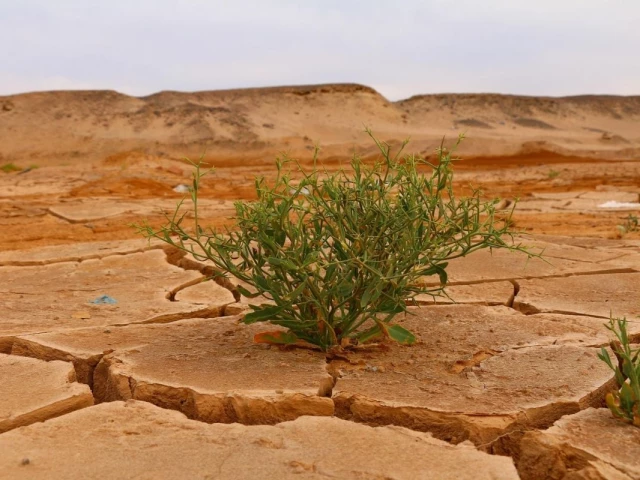
South Punjab's world-famous mango industry is facing a setback this season, as climate change has impacted the production of Summer Bahisht Chaunsa, one of the most prized mango varieties in Pakistan.
Farmers across key mango-growing districts including Rahim Yar Khan, Multan, Muzaffargarh, and Khanewal are witnessing unusual crop damage, threatening both livelihoods and export quality.
According to local growers, the first week of March brought an unexpected rise in temperature, which disrupted the natural flowering and fruit-setting process. While mango trees produced a considerable amount of blossom (locally called "boor"), the critical stage of fruit formation failed to occur properly. Experts attribute this to poor cross-pollination, as fluctuating weather conditions hindered the natural pollination cycle.
"As the temperature suddenly increased, the flowering appeared healthy, but the conversion into fruit was badly affected," said local progressive farmer Shahid Hameed Bhutta. "Instead of developing into mangoes, a large portion of the blossom turned into 'bator', a harmful formation that does not produce fruit and continues to damage the plant."
Farmers describe "bator" as a serious disease-like condition that weakens mango trees over time. It forms dense clusters that not only block fruit growth but also serve as breeding grounds for pests. These clusters can grow significantly in size, sometimes weighing nearly one kilogramme, and continue to affect future yields.
Another alarming factor is the erratic weather pattern, with sudden shifts between heat and cold. This inconsistency has led to a severe attack of pests, particularly "tila" (mango hoppers), which thrive under such unstable climatic conditions. Bhutta warned that the pest attack could intensify in the coming days if weather patterns remained unpredictable.
"The impact of climate change is now clearly visible," he added. "Even with expensive pesticide sprays, it becomes difficult to control these pests once they settle inside affected clusters. This not only reduces production but also damages the quality of mangoes meant for export."
South Punjab is considered the backbone of the country's mango industry. The districts of Rahim Yar Khan, Multan, Muzaffargarh, and Khanewal collectively produce a handsome share of the country's mango output. The sector supports millions of people directly and indirectly, including farmers, labourers, transporters, and exporters.








This material may not be published, broadcast, rewritten, redistributed or derived from. Unless otherwise stated, all content is copyrighted © 2026 The Express Tribune.
















COMMENTS (1)
Comments are moderated and generally will be posted if they are on-topic and not abusive.
For more information, please see our Comments FAQ