Diplomacy must run parallel to military developments to avert prolonged conflict, says Masood
Updated Mar 29, 2026

Former AJK president says talks necessary even as hostilities persist, terms sustained engagement essential
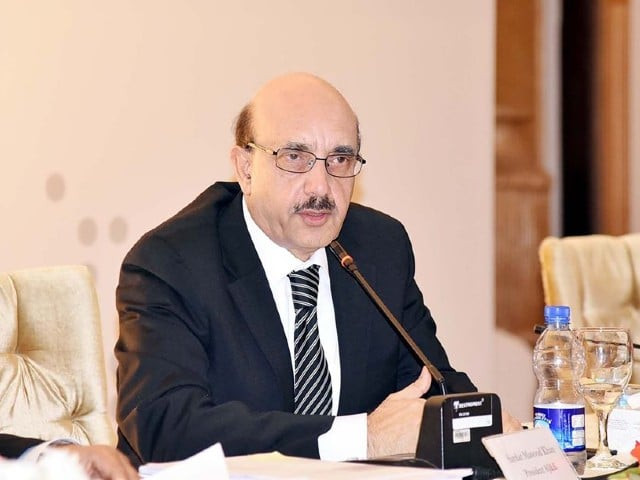
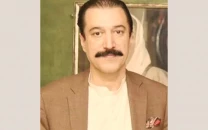
Masood Khan, former President of Azad Jammu and Kashmir, former Ambassador of Pakistan to the United States, and Permanent Representative to the United Nations, affirmed that diplomatic engagement between the US and Iran is already underway, with Pakistan playing a central mediatory role. He also noted that diplomacy must be patnered with military developments.
In a series of interviews given to different TV channels on evolving developments in the Gulf, Khan stated that Pakistan has moved beyond a traditional facilitative role to emerge as the lead mediator in the ongoing diplomatic process.
He noted that this role has received wide international endorsement, including support from regional actors and major powers such as China, underscoring Islamabad’s growing diplomatic credibility.
“Talks are necessary even as hostilities persist,” the former president emphasised, adding that diplomacy must continue in parallel with military developments to prevent a prolonged and destabilising conflict.
He cautioned that while both sides maintain maximalist positions, sustained engagement remains essential to eventually secure a ceasefire and transition toward structured negotiations.
Addressing skepticism surrounding the authenticity of dialogue efforts, Khan clarified that despite the absence of formal public confirmations from all parties, credible backchannel communication is taking place.
Khan observed that the current situation is marked by simultaneous escalation and diplomacy, with military deployments and strategic signaling shaping negotiating positions. However, he warned that intensification of hostilities – particularly around critical flashpoints such as the Strait of Hormuz – could undermine fragile diplomatic gains and complicate mediation efforts.
Highlighting the broader geopolitical context, Khan noted that domestic pressures within key countries, including economic strain, public discontent, and rising global energy prices, are pushing stakeholders toward seeking a diplomatic exit.
The former president stressed that disruption in oil and gas supply chains has made the conflict not only a regional crisis but a global economic concern.
Also Read: Dar hails Iran's move to allow 20 more Pakistani ships through Strait of Hormuz
He further explained that initial engagement is likely to take the form of proximity talks, given the deep trust deficit between Washington and Tehran. Direct negotiations, Khan noted, would require the gradual building of confidence through sustained intermediary efforts.
Concluding his remarks, the former president expressed cautious optimism, stating that while the path to peace remains complex and fraught with challenges, Pakistan’s proactive diplomacy holds potential to steer the crisis toward de-escalation and eventual resolution.





This material may not be published, broadcast, rewritten, redistributed or derived from. Unless otherwise stated, all content is copyrighted © 2026 The Express Tribune.






COMMENTS
Comments are moderated and generally will be posted if they are on-topic and not abusive.
For more information, please see our Comments FAQ