Karachi's outskirts face growing water crisis
Updated 3 hours ago

MUET conference calls for climate-smart industries, digitalised power grids
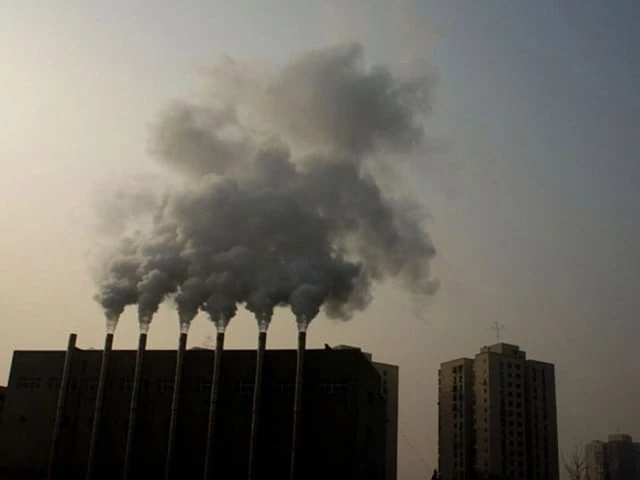
The experts on energy and environment have underscored the need for transforming Pakistan's fragmented and supply-driven energy model to an integrated, low-carbon and resilient energy economy. The 8th International Conference on Energy, Environment and Sustainable Development on its conclusion on Thursday at Mehran University of Engineering and Technology (MUET), Jamshoro, also put forward a detailed set of recommendations for the government to implement.
Alternative energy expert Engr Irfan Ahmed pointed out that a lack of cohesion in the grid and electricity networks has been contributing to massive energy losses in Pakistan, amounting to around Rs24 billion annually. He lamented that though Sindh province has the potential to produce 100 gigawatts of electricity from wind, so far only two gigawatts are being generated.
"Due to poor planning, the investors have lost confidence," he deplored. According to him, although the wind power companies have agreements to sell electricity for 20 years, those projects have been constantly slowing down. "Transferring electricity generated from Thar coal, Jhimpir wind projects and the nuclear energy from Sindh to Punjab is an example of poor planning," he contended.
"Instead of transmitting electricity over long distances, industries should be set up near the places where electricity is produced." Irfan observed that small industries in Sindh are switching to alternative energy because businesses are finding it hard to sustain on grid electricity.
The energy expert Dr Alberto Maria Gambelli from the University of Perugia, Italy, said the world is fastly reducing the use of energy sources which have harmful implications for the environment and for humans. He added that the developed world is imposing restrictions on such sources of energy.
Chief Operating Officer of Tata Textile Mills Adeel Shahid, while outlining serious environmental risks, emphasised that the government, industrial sector and educational institutions should work in tandem to confront the challenges. Director General of Sindh Environmental Protection Agency, Waqar Hussain Phulpoto, said the devastating flood of 2022 in Pakistan was a manifestation of the grave climate change implications which have begun to wreak havoc in the country.
He said industrial units like sugar and textile mills consume large amounts of water. He suggested that these industrial sectors should rather switch towards environment-friendly methods of water use and recycling. The DG SEPA also drew attention towards rapid and unchecked urbanisation, calling for appropriate and holistic planning to precede any urban expansion.
Phulpoto apprised the conference that a separate directorate for climate change has been established in SEPA. He added that the provincial government of Sindh is working on digitalisation and recently an e-governance project named CLICK has been launched in Karachi. According to him, so far SEPA has issued 130 environmental approvals to nine industries through its online system which has begun to receive applications.
Recommendations
The experts suggested the government enhance low-cost electricity generation; promote local renewable energy sources; reviewing Sindh's climate policy; reduce taxes and costs on electricity production; and revise tariffs. They also called for digitalisation of the power grids; promotion of mini-grids; inclusion of women in energy projects; and greater use of electric cooking methods to reduce the use of environmentally harmful fuels.
The speakers at the conference proposed the government to support climate finance and to adopt nature-based solutions for environmental protection.









This material may not be published, broadcast, rewritten, redistributed or derived from. Unless otherwise stated, all content is copyrighted © 2026 The Express Tribune.







COMMENTS
Comments are moderated and generally will be posted if they are on-topic and not abusive.
For more information, please see our Comments FAQ