Security tightened across Sindh on Eid
Updated May 26, 2026

Without the presence of qualified pharmacists, the sale of medicines by untrained individuals will remain a serious th
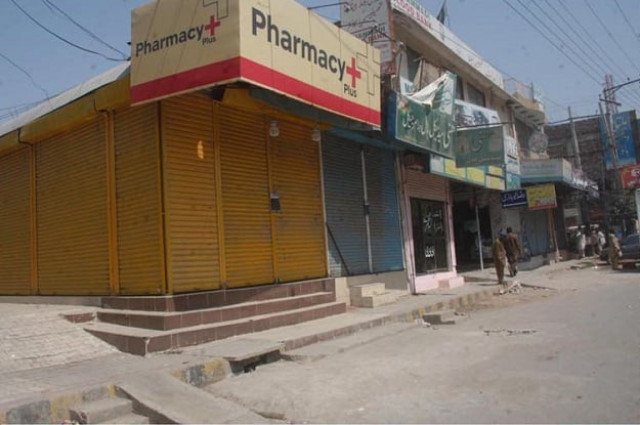
Medical stores across Karachi and interior Sindh are largely being operated by untrained and unqualified individuals, including minors, instead of licensed pharmacists. These individuals often lack formal pharmacy education and legal authorization, yet they dispense medicines and provide medical advice to patients.
For instance, if a prescribed medicine is unavailable, substitutes are frequently given without proper knowledge of the patient's condition, potentially causing harm. Sindh has an estimated 30,000 medical stores but only about 20,000 registered pharmacists. A very small proportion of these pharmacists are actually working at retail outlets, leaving most stores in the hands of unqualified staff.
Selling medicines without a pharmacist present is a legal offense. An investigative report revealed that multiple stores operate under the name of a single pharmacist. Although a pharmacist's degree may be displayed, the individual is often not physically present and allegedly receives financial benefits for the use of their credentials. Drug inspectors are responsible for verifying both licenses and the physical presence of pharmacists, yet enforcement remains weak.
The situation is further aggravated by widespread violations of prescription rules. Antibiotics, anti-allergy medicines, multivitamins, and other drugs are commonly sold without a doctor's prescription, despite regulations requiring one. Improper dispensing, incorrect dosages, and confusion due to similar drug names or illegible prescriptions can endanger patients' health. The unchecked sale of antibiotics is also contributing to antibiotic resistance, reducing the effectiveness of essential medicines.
According to Supreme Court rulings, every medical store must have a registered and qualified pharmacist present to guide patients on proper usage and dosage. Only licensed outlets with certified pharmacists are permitted to sell medicines. However, in many rural areas of Karachi such as Gadap and Baba Bhit, stores operate without qualified pharmacists and lack basic facilities such as refrigerators required for proper vaccine storage.
Serious irregularities have also been reported in the drug licensing system. Previously, licenses were issued by the Director Health Karachi, but in 2020 the process was decentralized to the offices of District Health Officers (DHOs) across Karachi's seven districts. Since then, the system has allegedly become vulnerable to corruption.
Drug licenses are reportedly being issued for Rs200,000 to Rs300,000, while in Karachi costs allegedly range between Rs300,000 and Rs500,000. In contrast, the official government fee for a new license is Rs5,000, payable at a bank, and the official renewal fee is Rs3,000. Licenses were once valid for one year, later extended to two years, and in 2023 extended further to five years, with renewal now required every five years.
The licensing process allegedly involves clerks, drug inspectors, and agents before final approval by the District Health Officer. Each district reportedly processes more than 50 new or renewal licenses monthly. Medical store owners claim that bribes are demanded during inspections to overlook deficiencies and issue favourable reports. Files are then forwarded to DHO offices, where additional payments are allegedly sought. Those applying through agents must pay lump sums.
A qualified Form-D pharmacist degree is mandatory for obtaining a license. However, it is alleged that a single Form-D degree is used for multiple stores. In cases where a store lacks a pharmacist, agents or officials reportedly arrange a degree for Rs100,000 to Rs200,000. Some store owners further allege that certain drug inspectors demand monthly payments to ensure smooth renewals.
Dr Adnan Rizvi, President of the Pakistan Pharmacists Association Sindh, stated that although around 25,000 pharmacists graduate annually nationwide and approximately 60,000 pharmacists exist across the country, enforcement of laws remains inadequate. Legally, a pharmacist cannot work at more than one store, and inspectors must ensure compliance under the Drug Act.









This material may not be published, broadcast, rewritten, redistributed or derived from. Unless otherwise stated, all content is copyrighted © 2026 The Express Tribune.







COMMENTS
Comments are moderated and generally will be posted if they are on-topic and not abusive.
For more information, please see our Comments FAQ