Dar warns UNSC over Middle East tensions
Updated 47 minutes ago

Authorities cite underreporting as they step up enforcement ahead of new fiscal year
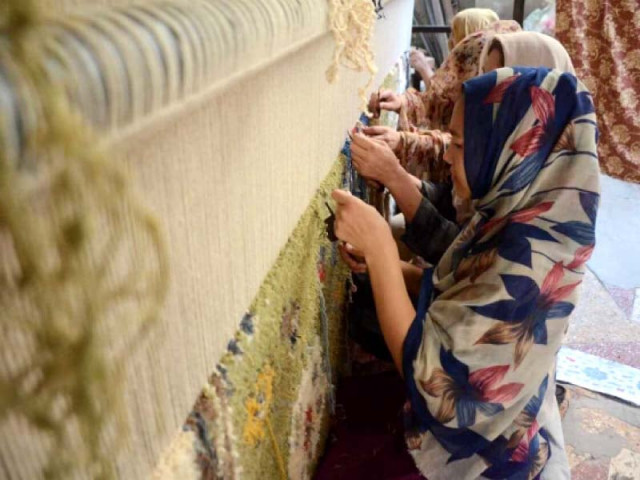
The Regional Tax Office (RTO) Faisalabad has launched a crackdown on the weaving and furniture sectors ahead of the new financial year in an effort to meet annual revenue targets, as officials say both sectors are paying negligible income and advance taxes despite their large business volumes.
Talking to reporters, Chief Commissioner RTO Dr Shah Khan said the Faisalabad zone has more than 4,000 weaving units, which form the backbone of the local economy and represent a strong value-added industrial infrastructure. However, the sector paid only Rs130 million in taxes this year, compared with Rs140 million last year, indicating a decline in tax contributions.
He said the RTO also reviewed tax declarations submitted by businesses in the furniture sector, particularly those based in Chiniot, which is widely known for its large furniture industry. According to Dr Shah Khan, the declarations submitted by many businesses were significantly underreported and inconsistent with their actual business scale and transaction volumes.
"In many cases, businesses declared annual incomes of Rs700,000 to Rs1.5 million, resulting in tax payments of only Rs50,000 to Rs150,000," he said, adding that most taxpayers simply reported taxes already deducted from bills as their final liability, while some even claimed certain payments as refunds.
Dr Shah Khan said the RTO initiated engagement with furniture manufacturers and began discussions with several units.
Following these talks, members of the sector's association approached the tax authorities and expressed willingness to cooperate.
According to the chief commissioner, the association informed the RTO that around 250 cases fall under its membership and offered to ensure that these members would pay advance tax installments, beginning with the first payment due on March 15, followed by another installment in June.
He said the RTO has asked the association to categorise its members into A, B, C and D categories, similar to the classification already carried out by the tax department.
Based on available records, including utility consumption, payments and business activity - officials are assessing the appropriate tax liabilities of these businesses.
Dr Shah Khan said the association has estimated that its members could collectively arrange around Rs100 million in tax payments, whereas the current tax contribution from the entire sector is extremely low, barely Rs10 million in some cases.
He added that businesses outside the association, many of which typically pay around Rs50,000 in tax, are also being encouraged to at least maintain that level of payment.
"Those who are not paying any tax at all and are not part of the association may require surveys and enforcement action," he said. "However, even if they start paying Rs50,000, it will still be an improvement at this stage."
Dr Shah Khan said the RTO expects to collect around Rs150 million from the sector by June through the two advance tax installments, though he acknowledged that this amount remains below the sector's actual potential.
He added that the department is mindful of not creating unnecessary hurdles for businesses so that economic activity continues smoothly. However, the RTO faces resource constraints, including a shortage of inspectors and auditors, as many officials are already deployed in sectors such as sugar, beverages and tobacco.
"Our strategy is to utilise the available resources efficiently and focus on sectors with higher potential and priority targets," he said.
Dr Shah Khan said the overall tax target for the formation is around Rs200 million, and gross collections have shown improvement. However, refund payments remain a major challenge, particularly because Faisalabad has a large number of exporters.







This material may not be published, broadcast, rewritten, redistributed or derived from. Unless otherwise stated, all content is copyrighted © 2026 The Express Tribune.












COMMENTS
Comments are moderated and generally will be posted if they are on-topic and not abusive.
For more information, please see our Comments FAQ