Market resilient despite shocks
Updated 4 hours ago

It is not clear whether govt will cut oil levy or reimburse cost to OMCs, refineries
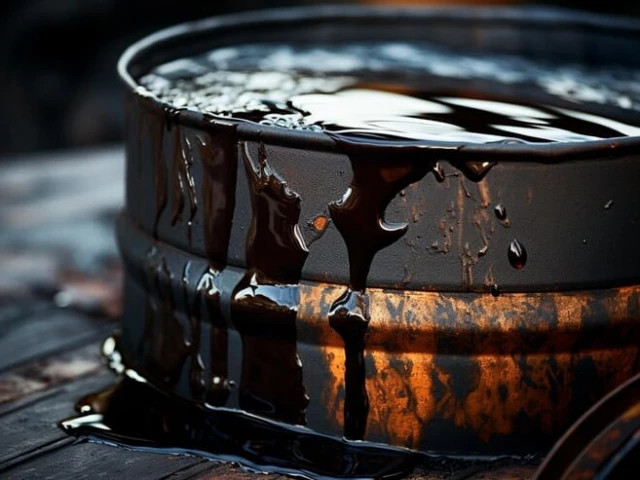
The government has absorbed the impact of Rs77-per-litre increase in diesel prices and Rs48-per-litre hike in petrol prices to avoid a sharp spike in rates, say officials. However, it is not clear whether the hike has been adjusted in the petroleum levy or any other component.
At present, the social media is filled with screenshots of global oil prices, quick comparisons with the Brent crude and claims the government is handing windfall profits to oil companies. Even some former federal ministers have joined the criticism.
According to officials, much of this debate is based on a misunderstanding of how Pakistan's petroleum pricing system works. Industry estimates suggest the government – reportedly on the instruction of the prime minister – did not pass on the full increase in international oil prices to consumers. Roughly Rs77 per litre in high-speed diesel and about Rs48 per litre in petrol were not included in the recently announced retail prices, they say.
So far, there has been no clear indication whether the government plans to absorb the difference by reducing the petroleum levy or introduce some form of reimbursement mechanism for oil marketing companies (OMCs) and refineries. Without such clarity, the burden effectively falls on the petroleum supply chain.
Oil companies import fuel at international prices. They must pay for cargoes based on the global product benchmarks, freight charges, insurance costs, premiums and exchange rate movements. Expecting companies to buy expensive fuel and sell at regulated prices is not a sustainable arrangement, industry players say.
If the gap is not bridged, it risks creating financial pressure across the supply chain and could eventually affect supply stability.
The public debate surrounding fuel prices is further complicated by the frequent use of Brent crude as a benchmark, they argue. Brent is widely reported internationally and easily accessible through financial websites and mobile applications, which makes it a convenient reference point for social media commentary. However, Pakistan's crude procurement is largely linked to the Dubai benchmark, not Brent.
More importantly, Pakistan's domestic fuel prices are not determined directly by crude prices alone. Under the country's regulated pricing mechanism, they mention, retail prices of petrol and HSD are calculated using international benchmarks for refined petroleum products, primarily derived from the Platts index. Average product prices during a relevant period determine the base cost for domestic pricing.
In other words, refined product prices – not crude benchmarks alone – drive Pakistan's retail fuel prices. Comparing Brent crude with petrol prices at filling stations leads to misleading conclusions.
Another criticism, according to industry players, is that OMCs benefit disproportionately from inventory gains whenever prices rise. But this argument overlooks a fundamental feature. Inventory gains and losses are an inherent part of the pricing system. When international prices rise, companies may temporarily benefit from stocks purchased earlier at lower prices. However, when prices decline, the same companies incur inventory losses. Over time, these fluctuations tend to balance out.
A large proportion of Pakistan's petroleum market is dominated by state-owned entities. Pakistan State Oil (PSO) remains the country's largest oil marketing company, while Pak-Arab Refinery Company is among the major refiners. Together, state-owned players account for a significant share of the market. The suggestion that pricing adjustments are primarily designed to benefit private companies, therefore, overlooks the basic structure of the sector, they say.
While public debate tends to focus on fuel price announcements, the petroleum industry is simultaneously grappling with deeper policy uncertainties. Dealers have been waiting for a revision in their margins for more than a year while OMCs are also awaiting adjustments in their regulated margins.
Similarly, the Brownfield Refining Policy, approved in 2023, remains largely unimplemented even in 2026, leaving the refining sector uncertain about long-term investments. Silence and delay in key policy decisions are gradually putting pressure on the entire petroleum ecosystem. Pakistan's fuel supply chain relies on continuous imports, carefully managed inventories and predictable pricing mechanisms. Narratives suggesting manipulation or profiteering without understanding the pricing framework risk creating unnecessary confusion in the market.








This material may not be published, broadcast, rewritten, redistributed or derived from. Unless otherwise stated, all content is copyrighted © 2026 The Express Tribune.








COMMENTS (3)
Comments are moderated and generally will be posted if they are on-topic and not abusive.
For more information, please see our Comments FAQ