BLA’s nexus with Al-Qaeda, TTP fuelling terrorism and women exploitation in Balochistan
Updated 4 hours ago

Announces fuel conservation measures for two months Govt vehicles' fuel allocation cut 50% Departmental expend
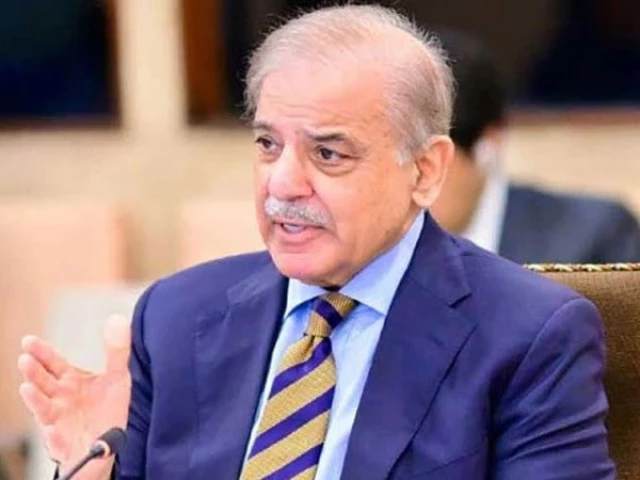
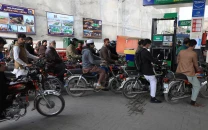
Prime Minister Shehbaz Sharif on Monday unveiled several energy conservation and austerity measures to preempt fuel shortages and declared that he would not further increase the prices of petroleum products, seeking to pacify an unnerved public while shouldering the cost of rising prices.
The measures announced by the prime minister in a pre-recorded nationally televised speech are aimed at saving fuel and raising funds to partially offset any further increase in the prices of diesel and petrol. The remaining gap is expected to be filled by the Finance Ministry's Rs390 billion contingency fund pool.
"It will be inevitable to increase the [fuel] prices in the coming days [because of the increase in global prices], but I will try my best that no further burden is placed on the people," Shehbaz said while addressing the nation.
The address came after Shehbaz chaired a meeting to finalise the energy conservation and austerity measures. According to participants of the meeting, Shehbaz stressed that the civil and military leadership had decided that there would be no further increase in the prices of petroleum products.
The fresh decision to keep the prices unchanged is contrary to an earlier decision in which the prime minister had approved adjustments in prices on a weekly basis and passing on the full impact to consumers.
Last Friday, the government increased petrol and diesel prices by Rs55 per litre, or 20%, signalling its willingness to preempt any crisis. However, the increase in petrol prices was Rs23 per litre, which was more than required, and the government ended up earning additional revenue instead of merely recovering international oil prices from domestic consumers.
To minimise the need for higher fuel imports and contribute to the funds required to offset price increases, the prime minister's address unveiled a host of measures for two months. Similar measures have also been notified separately by the government of Khyber-Pakhtunkhwa.
For the next two months, fuel allocated to vehicles of government departments will be reduced by 50%, while departmental expenditures will be cut by 20%, the prime minister said. He added that 60% of the vehicles of all departments will remain off the road during this period.
However, similar measures have also been announced in the past, but the Finance Ministry's austerity committee used to issue exemption certificates and allowed the purchase of new vehicles, including for officials of the ministry.
Shehbaz said the federal cabinet would not draw salaries for two months, while the pay of members of parliament has also been cut by 25%. In addition, two days' salary of Grade 20 and above officers and those earning more than Rs300,000 will be deducted and used for public relief.
Besides, there will be a complete ban on the purchase of vehicles, air conditioners and other items for government offices, as well as on foreign visits by the prime minister, chief ministers, governors, federal and provincial ministers, advisers and special assistants, except where travel is unavoidable.
The prime minister also banned all official dinners and Iftar parties and declared that seminars will be held at government venues instead of hotels to save money.
Shortened work week
The prime minister said that only 50% of staff will work in the public and private sectors, except for essential services. Public offices will open only four days a week, while Friday has been declared an additional holiday for two months, except for banks, agriculture and industrial sectors.
All public and private schools will be given two weeks of holidays from next week, and online classes will be introduced in all higher education institutions, he said. He warned hoarders and profiteers against illegal profiteering and urged provinces to take action against them.
"Pakistan needs unity and national solidarity today more than ever before," the prime minister said.



This material may not be published, broadcast, rewritten, redistributed or derived from. Unless otherwise stated, all content is copyrighted © 2026 The Express Tribune.

COMMENTS (1)
Comments are moderated and generally will be posted if they are on-topic and not abusive.
For more information, please see our Comments FAQ