Pakistan plans oil reserves, storage push as Hormuz constraints expose vulnerabilities
Updated 1 hour ago

Commissioner says over 950 new factories registered in two years as textile hub attracts fresh investment
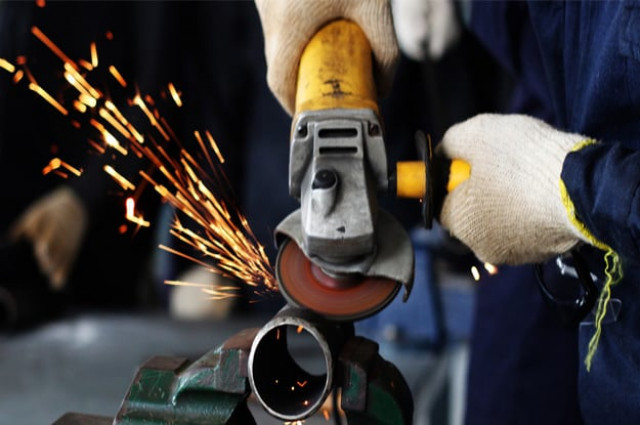
Despite an overall sluggish pace in the country's industrial sector, Faisalabad has witnessed a notable surge in industrial growth over the past two years, with more than 950 new industrial units being established and over 50,000 jobs created across the district and division.
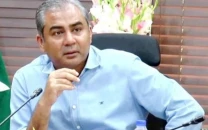
This was stated by Faisalabad Commissioner Raja Jahangir Anwar while speaking to media representatives during an interactive session, where he highlighted the city's growing industrial activity and its impact on employment and the regional economy.
According to official records shared during the briefing, the labour department registered 844 newly established industrial units in Faisalabad district during 2024-25 under the provisions of the Factories Act.
These units alone generated employment for approximately 46,700 workers, including skilled, semi-skilled and managerial staff.
Raja Jahangir Anwar said that the process of factory registration begins after industrial owners submit a Notice of Occupation, which provides details about the nature of the business, production activities and the expected workforce. After verification and compliance checks, the units are formally registered under the Factories Act.
When industrial activity across the wider Faisalabad Division is taken into account, the scale becomes even more significant.
According to official estimates, more than 950 industrial units have been established during the past two years, pushing the total number of newly created jobs to over 50,000.
The commissioner said the figures reflect the strength and resilience of Faisalabad's industrial ecosystem, which continues to attract investors despite broader economic challenges facing the country's manufacturing sector.
"Faisalabad has long been recognised as the textile capital of Pakistan and remains one of the country's most important manufacturing centres," he said.
The city hosts a wide range of industries including weaving, spinning, processing, embroidery, sizing and other value-added textile manufacturing units, which collectively drive industrial growth in the region.
He attributed the steady growth in new industrial registrations to the city's established industrial infrastructure, availability of skilled labour, strong supply chains and easy access to domestic and export markets.
These factors, he said, continue to encourage entrepreneurs and investors to expand their operations in the region. The commissioner added that the data regarding new industrial units was compiled through inspection records and field verification conducted by multiple government departments, including the labour department, industries department and environment department.
The coordinated efforts of these departments helped develop a clearer understanding of the evolving industrial landscape in Faisalabad.
According to Anwar, the establishment of a large number of new industrial units over a relatively short period indicates growing investor confidence in Faisalabad's manufacturing potential.
"The creation of more than 50,000 jobs during the past two years will have a positive impact on the local economy by supporting livelihoods and increasing economic activity," he said.
He also noted that the administration is working to further facilitate industrial development through improved regulatory coordination, streamlined registration procedures and continued engagement with industrial stakeholders.







This material may not be published, broadcast, rewritten, redistributed or derived from. Unless otherwise stated, all content is copyrighted © 2026 The Express Tribune.





COMMENTS
Comments are moderated and generally will be posted if they are on-topic and not abusive.
For more information, please see our Comments FAQ