Pakistan reports first Congo virus death of 2026 in Karachi
Updated 1 hour ago

Only 39 teachers serve over 71,000 prisoners across 45 jails
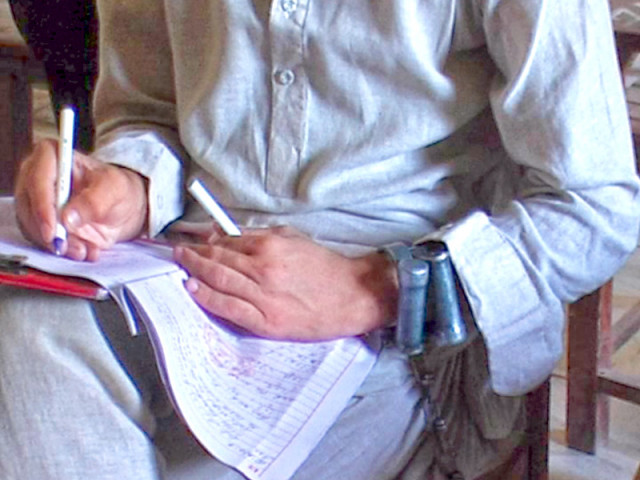
While the Punjab government offers sentence reductions ranging from 15 days to two years for inmates who pursue education, prison facilities across the province continue to face a severe shortage of teachers and structured learning programmes.
According to official documents obtained by Daily Express, Punjab's 45 functional prisons house more than 71,700 inmates and under-trial prisoners. Of these, over 69,000 are men, around 1,350 are women, and approximately 730 are juveniles.
More than 52,000 are under trial, nearly 20,000 are convicted prisoners, and over 2,100 are on death row, including nine women.
Despite the large prison population, there are only 58 sanctioned teaching posts across the province's jails. Currently, just 39 teachers are serving, while recruitment for 19 additional positions is underway.
Officials acknowledge that this number is grossly insufficient to meet the educational and rehabilitative needs of inmates.
Although agreements exist with the Technical Education and Vocational Training Authority (TEVTA) to impart vocational training, implementation remains limited.
At present, technical training programmes are operational in only 15 prisons. Budget constraints have also led to the closure of mosque-based schools within jails over the past several years.
Official records show that inmates are offered religious and general education, along with short moral training courses ranging from one week to three months.
In larger prisons, three Arabic teachers and in smaller jails two teachers visit periodically under arrangements made by the Home Department in collaboration with a local trust, with expenses borne by a private educational institution.
Each prison is supposed to have three teaching posts: an Arabic teacher, a general school teacher, and a psychology instructor. However, nearly half of these positions remain vacant.
In practice, much of the education inside prisons operates on a self-help basis. Literate inmates often teach fellow prisoners basic literacy, religious studies, ethics, and Quranic education. Many prisoners independently enroll in programmes offered by Allama Iqbal Open University and complete matriculation, intermediate, bachelor's, and even master's degrees, though their numbers remain small.










This material may not be published, broadcast, rewritten, redistributed or derived from. Unless otherwise stated, all content is copyrighted © 2026 The Express Tribune.





COMMENTS
Comments are moderated and generally will be posted if they are on-topic and not abusive.
For more information, please see our Comments FAQ