Intense heatwave to hit Punjab
Updated 3 hours ago

PHC's Justice Aurangzeb cites gravity and complexity of the case
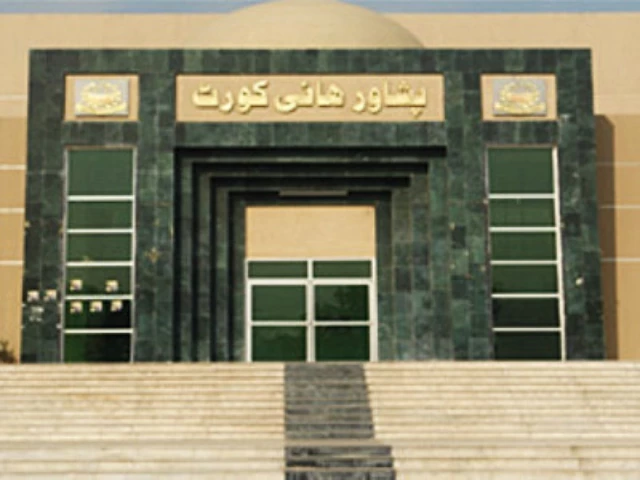
The Peshawar High Court (PHC)'s Abbottabad Bench on Tuesday set aside an order of the Anti-Terrorism Court (ATC), Hazara Division, which had refused further police remand of the accused in the murder case of Dr Wardah Mushtaq, holding that the trial court failed to apply the Anti-Terrorism Act, 1997 correctly.
The judgment was delivered on January 26, 2026, by Justice Aurangzeb, who allowed a criminal revision petition filed by the State against the ATC's earlier orders.
The case arises from FIR No 1265, dated December 5, 2025, registered at Police Station Cantt Abbottabad under Sections 364, 302, 201, 202 and 34 of the Pakistan Penal Code, read with Section 7 of the Anti-Terrorism Act. The FIR was lodged by Mushtaq Ahmed, father of the deceased, Dr Wardah Mushtaq, aged approximately 4041 years.
According to the prosecution, Dr Wardawhose husband was residing in South Koreahad entrusted 67 tolas of gold jewellery to her friend Rida Jadoon, wife of the accused Waheed Ahmad, before departing for employment in Dubai. Upon her return to Pakistan, Dr Warda allegedly demanded the return of the jewellery, but the accused reportedly delayed and avoided compliance.
On the night of the incident, Dr Wardah was said to have met Rida Jadoon at a hospital around midnight, after which she went missing. Her mobile phone was later found switched off, and despite sustained efforts, her whereabouts could not be ascertained. She was subsequently found murdered.
During the investigation, the accused were arrested and produced before the ATC. The prosecution repeatedly sought 30-day physical remand, but the ATC granted only two remands of three days each and, on December 15, 2025, remanded the accused to judicial custody, declining any further police remand. The State challenged these orders before the High Court.
In its detailed judgment, the PHC observed that the case involved the brutal killing of an innocent woman, rested largely on circumstantial evidence, and required specialised and technical investigation, including forensic examination and connectivity analysis.
The court noted that the investigating officer had adequately explained the utilisation of each remand period and that tangible progress had been achieved throughout the investigation.
















This material may not be published, broadcast, rewritten, redistributed or derived from. Unless otherwise stated, all content is copyrighted © 2026 The Express Tribune.






COMMENTS
Comments are moderated and generally will be posted if they are on-topic and not abusive.
For more information, please see our Comments FAQ