4 personnel injured in explosion at Domel police station in K-P's Bannu
Updated 1 hour ago

Spokesperson says lender wants more information on proposal
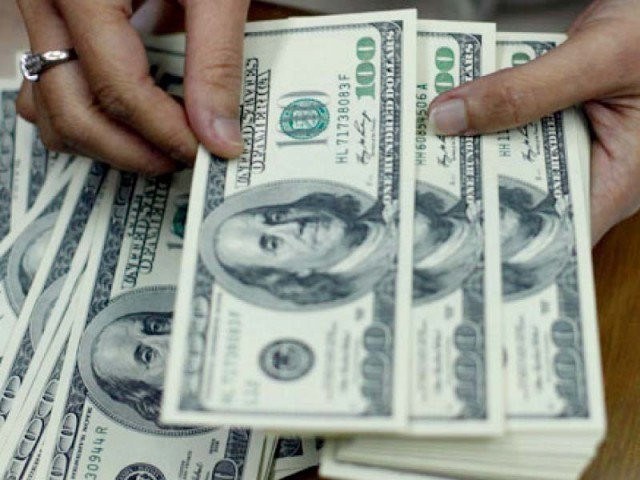
Pakistan has approached the World Bank for its possible role in refinancing a $36 billion worth energy sector debt by multilateral and bilateral creditors, which it had taken in the past to install power projects.
The government sources told The Express Tribune that the preliminary proposal has been developed with an aim to replace the expensive foreign debt with relatively cheaper multilateral debt to reduce end-consumer price.
The cost of debt, including the repayment of principal loans, is part of the electricity price and is paid by the consumers including dividends to the sponsors of these projects. The sources said that the authorities have so far held meetings with the World Bank in addition to holding inter-ministerial discussions.
A spokesperson for the World Bank confirmed to The Express Tribune that in a meeting held on Thursday the power "minister mentioned about the $36 billion (energy debt) and asked whether development partners together can support them".
Given the magnitude of the financing, no single lender can provide the $36 billion, said the sources.
During another meeting on Thursday, different ministries expressed divergent views and it was decided that the Power Division would fine-tune the proposal in consultations with the Economic Affairs Ministry, the government sources said.
According to the initial proposal, the government wants to lower the heavy power sector debt burden, by securing a concessional, long-tenure financing. It was seeking a 15 years debt repayment period, including around a four years grace period, they added.
The objective is to cut the energy prices to around ¢8-9 per unit, which translates into Rs25 per unit price.
The government has recently reduced the electricity prices for the industrial consumers to around Rs23 per unit but the actual bills cost was over Rs26 per unit. However, the residential consumers are still paying over Rs57 per unit price, which is unsustainable and has pushed them towards roof-top solar panels.
The sources said that Power Minister Awais Laghari met with the World Bank country head Bolormaa Amgaabazar this week and sought the Washington-based lender's support. When contacted, a spokesperson of the World Bank confirmed the development.
The spokesperson said that the minister of power met Bolormaa the other day along with the power secretary and other officials of the Power Division.
"During the meeting, the minister mentioned their plan to restructure the heavy burden of sector debt", the spokesperson said, responding to a question. "The proposal is not yet clear to us, and we have requested more information", said the Washington-based lender on Friday.
The spokesperson said that the lender told the government that it "can share some global experiences that can help them develop a financing mechanism to restructure their debt". No discussion about the financial support from the World Bank was discussed, according to the spokesperson.
But the sources said that in case the multilateral lenders club comes together to help Pakistan, they may provide $1 billion to $2 billion annually to repay the maturing debts.
Power Division reply
When contacted, a Power Division spokesman claimed that "multiple reform ideas are under internal consideration to help spur demand and ease pressures on consumers; however, no proposal involving debt re-profiling or refinancing is under discussion".
The spokesman added that the Power Division's reform agenda was focused on ensuring long-term sustainability of the power sector and addressing emerging challenges, including those arising from reduced demand.
He further said that the Power Division continues to engage with various international financial institutions on avenues for green and climate-aligned financing, with the objective of supporting sector efficiency improvements and helping moderate tariff pressures over time.
"We are also working closely with the business community and other stakeholders to address concerns related to electricity tariffs and to improve regional competitiveness, within the overall policy and macroeconomic framework", he added.
Pakistan has set up most of the power plants in the past one decade with the help of Chinese financial institutions. The Express Tribune had reported in 2018 that Pakistan would have to make $28 billion debt repayments to Beijing against the China-Pakistan Economic Corridor (CPEC) energy and infrastructure projects till 2038. The report was based on the government data which had been shared with the International Monetary Fund (IMF) by the then Pakistan Tehreek-e-Insaf government.
The commercial loans for setting up CPEC power plants had been taken at an interest rate of London Interbank Offered (Libor) plus 4.5%. It had also been reported seven years ago that Pakistan can only sustain these repayments by enhancing its exports.
In July 2024, Finance Minister Muhammad Aurangzeb and Energy Minister Sardar Awais Laghari had met with China's finance minister and the President of China Export and Credit Insurance Corp (SINOSURE) for restructuring of the energy debt.
Pakistani officials had proposed one and half years ago for an eight-year extension for repaying energy debt, converting dollar-based interest payments to Chinese currency, and reducing overall interest rates for both CPEC and non-CPEC Chinese-funded projects. These measures were aimed at lowering energy costs.










This material may not be published, broadcast, rewritten, redistributed or derived from. Unless otherwise stated, all content is copyrighted © 2026 The Express Tribune.






COMMENTS (2)
Comments are moderated and generally will be posted if they are on-topic and not abusive.
For more information, please see our Comments FAQ