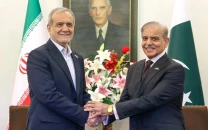
PM Shehbaz hopes of peace deal soon as Iran's Pezeshkian expresses appreciation for Pakistan role in negotiations
Updated 10 hours ago

The past year proved to be a historic one for Punjab's state apparatus, marked by an increased centralization of power
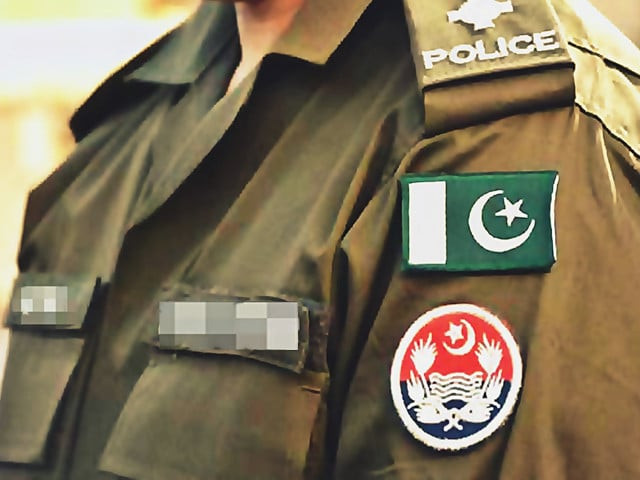
In 2025, for the first time in Pakistan's history, Punjab retained its caretaker-era bureaucratic setup, with key positions like the Chief Secretary and IG Police unchanged. Despite a transfer ban from 2024, over 2,000 civil and police officers were shifted with the Chief Minister's approval, while more than 35 senior officers continued to dominate the province's centralized administrative system.
The powerful bureaucracy, shaped during the caretaker period, completed another year in office, setting new records. While 50 per cent of bureaucrats were replaced, the remaining 50 per cent of influential officers continued to dominate. Out of over 5,000 officers and employees, only around half were transferred while for 35 per cent of them, only their positions changed. Conversely, 15 per cent of officers underwent mere chair changes without real posting alterations.
Punjab's bureaucracy was dominated by senior officers from the caretaker period, who continued to act as the province's key decision-makers. Top officials included Chief Secretary Zahid Akhtar Zaman, Additional Chief Secretary Ahmed Raza Sarwar, IG Punjab Police Dr Usman Anwar, CCPO Lahore Bilal Siddiqui Kamyana, and several secretaries and regional police officers overseeing finance, law, health, irrigation, communications, and local government, among others.
In contrast, some officers continued to be frequently transferred in 2025, including Dr Ehsan Bhutta, Capt (R) Asadullah Khan, Capt (R) Noor Al-Amin Mengal, Dr Ahmed Javed Qazi, Ahmad Aziz Tarar, Shoaib Iqbal Syed, Dr. Shehanshah Faisal Azeem, Raja Mansoor Ahmed, Raja Jahangir Anwar, Mudassar Riaz Malik, and others. Several officers, like Barrister Nabeel Ahmad Awan (Chairman P&D) and Capt (R) Asadullah Khan (Secretary Prosecution), were later moved to federal positions.
Records indicated that the current government relied minimally on officers from other provinces or the federal level, continuing instead with its centralized caretaker-era setup. Despite restrictions, a "transfer tsunami" persisted throughout December 2025. Deputy Commissioners were replaced in 85 per cent of districts on administrative grounds.
Social activist Amna Malik noted that while the Chief Minister promoted women in bureaucracy, political opponents' women faced restrictions and jail terms. "The government's claims of promoting women were mostly symbolic, benefiting only a few influential families rather than reflecting broad empowerment," said Malik.
While dozens of development and welfare projects were initiated last year, most could not be completed. Programs such as field hospitals, clinics on wheels, the air ambulance program, hospital and BHU renovations, the Nawaz Sharif Cancer Hospital, free insulin for children under 12 with diabetes, and pediatric heart surgery programs remained incomplete. Similarly, education sector initiatives like 30,000 scholarships, distribution of electric bikes, and school milk programs were ongoing.
Other programs in progress included the Social Ramadan Package, road rehabilitation under "Suthra Punjab," the "Punjab Khushhal" initiative, campaigns against gender-based violence, the Pink Button and Virtual Women Police Stations, the "Apni Chhat Apna Ghar" scheme, electric bus programs, farmer super-seeder distribution, Green Tractors, solar tubewell loans, solar panel distribution, and the Nawaz Sharif IT City project.
Punjab Information Minister Azma Bukhari stated that Chief Minister Maryam Nawaz launched over 100 public relief initiatives in 2025, including scholarships, electric bikes for students, the Green Bus program, record cuts in flour and sugar prices, and a Rs400 billion farmer support package with super-seeders and Green Tractors. Solar panel distribution also began, and KPIs were introduced to monitor and reward bureaucratic performance for the first time in Punjab's history.
Former IG Punjab Police Ahmed Naseem criticized the tenure policy on the grounds that it focused on favoritism rather than merit. "Despite challenges, officers continued to work for public welfare. Performance evaluations were conducted via an app, and transfers were based on merit: well-performing officers remained in place, while underperformers were shifted," said Naseem.





This material may not be published, broadcast, rewritten, redistributed or derived from. Unless otherwise stated, all content is copyrighted © 2026 The Express Tribune.


COMMENTS
Comments are moderated and generally will be posted if they are on-topic and not abusive.
For more information, please see our Comments FAQ