Pakistan working tirelessly to ease Middle East tensions: PM Shehbaz
Updated 3 hours ago

Virus detected in environmental samples from 16 districts
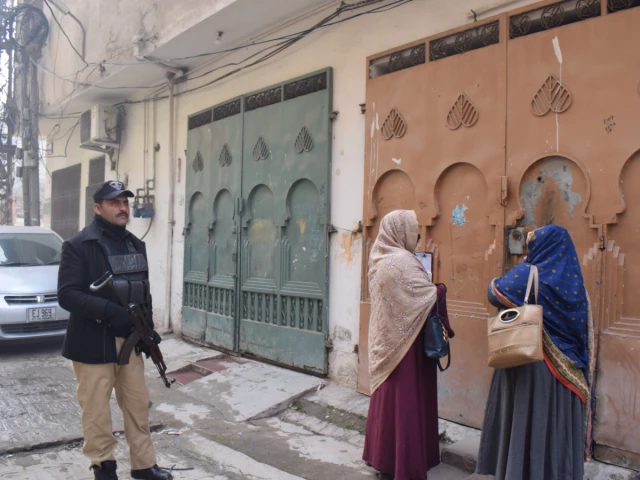
Punjab is entering the last and most decisive phase of its 2025 polio eradication campaign amid a paradox of reported cases being at their lowest in years but the virus not disappearing.
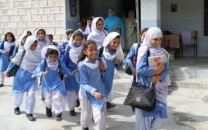
Authorities in the province will roll out its fifth and final National Immunisation Days (NIDs) campaign of the year on Monday, aiming to vaccinate more than 17 million children under the age of five, as environmental surveillance confirms that poliovirus is still circulating in some districts, with Lahore at the centre of concern.
More than 200,000 vaccinators, supervisors and medical officials will be deployed across the province for the vaccination..
Mobile teams will go door to door, supported by fixed and transit vaccination points at bus and railway stations, as well as entry and exit routes of cities.
Lahore, classified as a core reservoir district, will undergo an extended seven-day campaign, while teams in the rest of the province will conduct the immunisation activities over four days.
Punjab has recorded one confirmed polio case this year.
However, programme data and surveillance findings reveal that poliovirus has been detected in environmental samples from at least 16 districts, indicating that transmission is continuing despite repeated vaccination rounds.
Although the proportion of positive samples has declined from 43 per cent in June to 26% in November, public health experts warn that any persistent detection reflects immunity gaps that can trigger new cases if left unaddressed.
Lahore has emerged as a critical pressure point in the eradication effort. Surveillance analysis shows that nearly 79% of positive samples are genetically linked within Punjab, signalling a shift from cross-provincial importation to local transmission.
Officials involved in the programme concede that the city's dense population, informal settlements, high-rise residential buildings and inflow of migrants have made consistent vaccination coverage difficult to achieve.
As a major transport and economic hub, Lahore also poses a heightened risk of exporting the virus to other parts of the province.
In South Punjab, poor sanitation systems, limited access to clean drinking water and frequent population movement continue to create conditions in which the virus can survive.
Despite repeated campaigns, clusters of missed and under-vaccinated children remain, particularly in remote and underserved communities.
Monitoring reports have repeatedly highlighted weaknesses in supervision, inconsistent follow up and fatigue among frontline workers after years of near continuous campaigns.
Authorities say corrective measures are being intensified. Transit vaccination points have been expanded, while teams are mapping mobile populations to ensure that children on the move are not missed.
Officials also claim that accountability mechanisms for field teams have been strengthened to improve campaign quality, though health experts argue that lasting success will depend on sustained political oversight and community trust rather than numbers alone.
At the national level, Pakistan remains under global scrutiny as one of the last countries where poliovirus transmission has not been fully interrupted.
While case numbers remain low, continued environmental detection across provinces underscores fragility of the gains.








This material may not be published, broadcast, rewritten, redistributed or derived from. Unless otherwise stated, all content is copyrighted © 2026 The Express Tribune.





COMMENTS
Comments are moderated and generally will be posted if they are on-topic and not abusive.
For more information, please see our Comments FAQ