Grey’s Anatomy renewed for season 23 on ABC
Updated 6 hours ago

Producer Taro Maki says Japan’s risk-averse production culture is holding back innovation in anime
Anime producer Taro Maki has criticised Japan’s anime industry for relying too heavily on safe, proven formulas, arguing that a risk-averse production culture could limit the medium’s long-term creative growth.
His comments come at a time when anime has become more globally accessible and commercially successful than ever before.
Over the past decade, anime has expanded from a niche interest into a mainstream form of entertainment, with even lesser-known titles now widely available on major streaming platforms.
Despite this growth, challenges within the industry remain, including ongoing animator shortages and concerns over working conditions for creative talent.
In an interview with ITmedia, Maki, who has worked on several notable anime projects, including films by director Satoshi Kon, criticised what he described as a corporate mindset focused primarily on avoiding failure.
“The top priority is to avoid failure, and the concept of taking risks is nonexistent. This is why they end up going for genres that are successful and safe projects,” he said.
Maki attributed this approach to Japanese corporate systems that penalise production for perceived weaknesses, discouraging experimentation. According to him, this structure leads producers to favour adaptations of already popular manga and light novels rather than investing in original concepts.
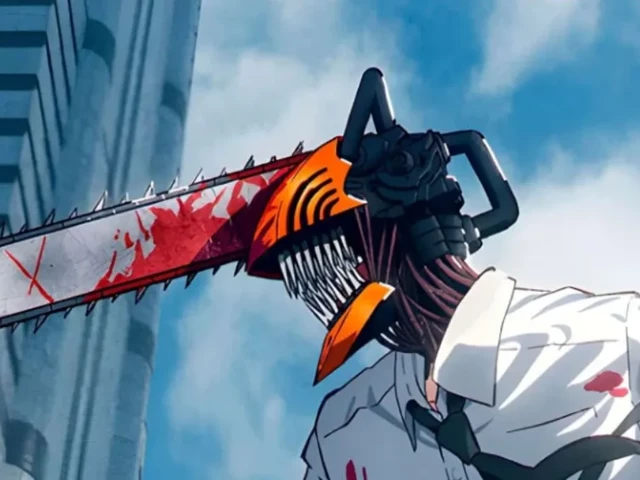
Industry observers have noted that many of the most successful recent anime series, including titles such as Demon Slayer, Jujutsu Kaisen and Chainsaw Man, originated from established source material.
Maki’s comments reflect a broader concern that the increasing number of similar genre releases, including isekai series, may be a result of financial caution rather than creative ambition.
With production costs rising and staffing shortages continuing, investors are often more willing to support projects with predictable returns.
Maki suggested this environment may help explain the declining number of anime-original series in recent years.
















This material may not be published, broadcast, rewritten, redistributed or derived from. Unless otherwise stated, all content is copyrighted © 2026 The Express Tribune.






COMMENTS
Comments are moderated and generally will be posted if they are on-topic and not abusive.
For more information, please see our Comments FAQ