China's FM Wang Yi reiterates appreciation for Pakistan’s constructive role amid US-Iran talks in meeting with Dar
Updated 9 hours ago

Rainfall projected to be below normal during early months, in north Punjab, Kashmir, G-B, upper K-P
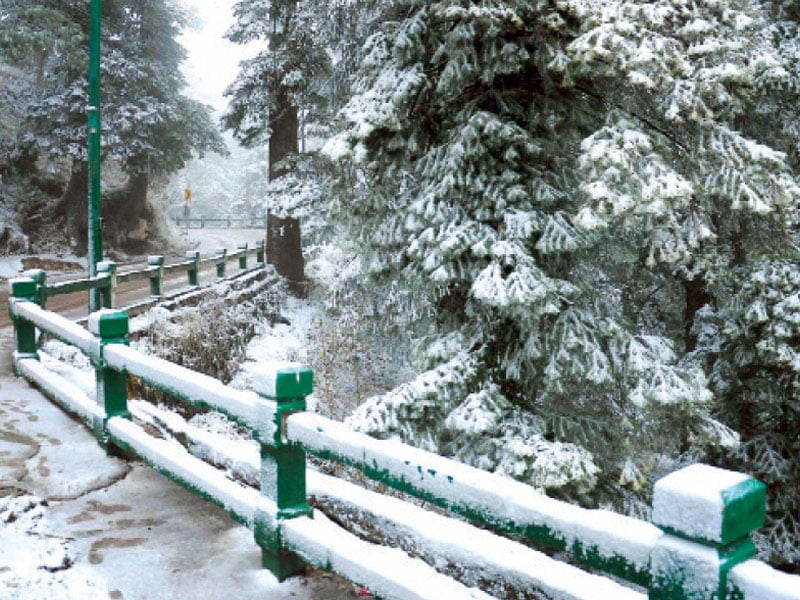
Pakistan is expected to experience a usual, normal but drier winter this year, according to the latest seasonal outlook from the Pakistan Meteorological Department (PMD).
While earlier forecasts and public discussions suggested the possibility of an unusually cold winter, the department now indicates that conditions are likely to be different, with weak La Niña influences shaping temperatures, rainfall and weather systems across the country. The seasonal outlook also highlights potential implications for agriculture, livestock, and local communities.
Chief Meteorologist Dr Afzaal explained that La Niña, a climate phenomenon characterized by the cooling of ocean surface temperatures in the central and eastern tropical Pacific, is currently strong in some parts of the world, affecting rainfall and weather patterns globally.
"However, in Pakistan, including Islamabad, the La Niña effect is expected to be relatively weak and not strong enough to trigger extreme cold," he said.
Historically, La Niña tends to suppress winter rainfall rather than increase it, and early-season weather systems are likely to be fewer than usual.
Dr Afzaal added that maximum temperatures are expected to remain around or slightly above seasonal averages, while minimum temperatures may experience occasional cold episodes, including the typical two to three cold waves observed in most winters. Between November and January, Pakistan is likely to see fewer rain-bearing systems, reduced precipitation, and routine winter conditions, contrary to earlier predictions suggesting extreme cold.
Rainfall is projected to be below normal during the early months, particularly in northern Punjab, Kashmir, Gilgit-Baltistan, and upper Khyber-Pakhtunkhwa. Southern Punjab, Sindh, and parts of southern Balochistan may receive near-normal precipitation, but the overall early-season trend is likely to be drier than usual.
However, Dr Afzal noted that rainfall activity may improve after January, when Western Disturbances are expected to penetrate Pakistan more frequently. "These systems may bring rain and snowfall to northern regions. Following their passage, northwesterly winds could lower minimum temperatures, leading to late-season cold waves," he added, emphasising that these conditions remain within normal seasonal variations.
While temperature and rainfall trends are receiving public attention, PMD officials are also highlighting the potential impact on agriculture and livestock.












This material may not be published, broadcast, rewritten, redistributed or derived from. Unless otherwise stated, all content is copyrighted © 2026 The Express Tribune.






COMMENTS (1)
Comments are moderated and generally will be posted if they are on-topic and not abusive.
For more information, please see our Comments FAQ