Govt cuts petrol by Rs3, keeps diesel unchanged for Nov 24
Updated 59 minutes ago

Says housing schemes in past mostly served the elite, real need is among labourers, widows and low-income families
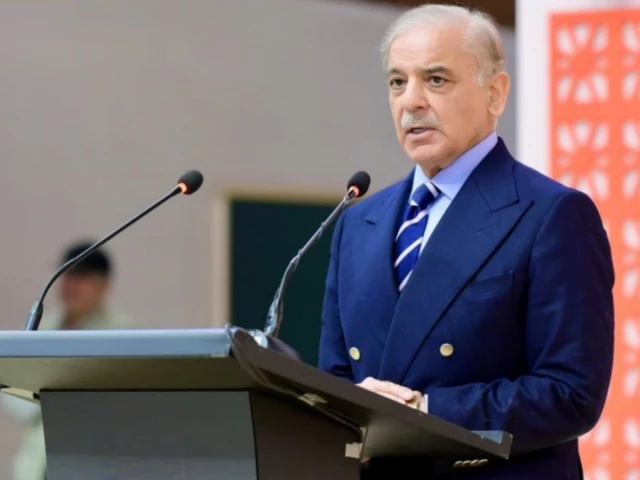
Prime Minister Shehbaz Sharif on Monday declared that there was no limit on the number of homes the government would build for the poor, vowing to construct millions if needed so that no deserving family was left without a roof over its head, and set an ambitious target of Rs1,000 billion in disbursements under the "Apna Ghar" scheme over the next six months.
In April, the premier launched a five-year, Rs3.2 trillion housing programme aimed at funding the construction of 500,000 homes across the country to improve affordability for low-income citizens.
Read: PM unveils Rs3.2tr 'Apna Ghar' plan to build 0.5m units
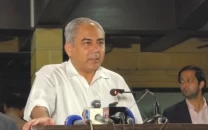
Addressing a ceremony in Islamabad to mark the milestone of over Rs100 billion in loans reaching citizens under the Apna Ghar programme, the prime minister said it was deeply concerning that while a few enjoyed every comfort, many people remained deprived of shelter, education, healthcare, and dignified employment. The premier stated that this was not the Pakistan envisioned by founder Quaid-e-Azam Muhammad Ali Jinnah.
Prime Minister Muhammad Shehbaz Sharif addressed a ceremony to celebrate the milestone of loan disbursement exceeding 100 billion rupees in Prime Minister's Apna Ghar Program in Islamabad, today. pic.twitter.com/L3FAOyRDjU
— Prime Minister's Office (@PakPMO) November 23, 2026
PM Shehbaz recalled how a visit to a widow’s one-room rented home in Lahore, early in his career as a member of the Punjab Assembly, changed him and led to the Ashiana housing schemes in Punjab. The woman, who stitched clothes to feed her children and care for a seriously ill daughter, represented the reality millions of families faced, he noted.
اگر غریب لوگوں کے لیے کروڑوں گھر بھی بنانے پڑے تو بنائیں گے۔ یہ ہے وہ خدمت جس کے نتیجے میں میرا یقین ہے کہ آپ سب کو دین اور دنیا دونوں ملیں گے۔ اگر اس خداداد ملک پاکستان میں ہم ایک مزدور، ایک بیوہ یا یتیم کو ایک چھت بھی نصیب نہیں کر سکتے تو پھر ہمیں اس عہدے پر رہنے کا کوئی حق… pic.twitter.com/RySQQOFjhD
— Prime Minister's Office (@PakPMO) November 23, 2026
The premier said that housing schemes in the past had mostly served the elite, who did not need bank loans, while the real need was among labourers, widows, orphans and low-income families across Pakistan, including Azad Jammu and Kashmir and Gilgit-Baltistan, further adding that if the state could not provide even a roof to such families, it had no right to rule.
یہ وہ خدمت جس کے نتیجے میں میرا ایمان ہے آپ کو صلہ ملے گا۔ اگر ہم ایک مزدور، بیوہ، یتیم کو چھت نہ دے سکیں تو ہمیں اس عہدے پر رہنے کا کوئی حق نہیں ہے۔ ~ وزیراعظم محمد شہباز شریف کا "وزیراعظم اپنا گھر پروگرام" کی تقریب سے خطاب
— Prime Minister's Office (@PakPMO) November 23, 2026
#گھر_ہو_تو_اپنا #PMApnaGharProgram pic.twitter.com/SlPvrCb7vV
PM Shehbaz said the programme was launched in April 2026, adding that in about six and a half months, banks had disbursed Rs112 billion against loan sanctions of about Rs500 billion.
اپنا گھر پروگرام کے تحت ساڑھے 6 ماہ میں 18 ہزار 500 گھروں کے لیے 100 ارب روپے تقسیم کیے گئے، جو اب بڑھ کر 112 ارب روپے ہو چکے ہیں۔#گھر_ہو_تو_اپنا#PMApnaGharProgram pic.twitter.com/TwJvRLPeji
— Prime Minister's Office (@PakPMO) November 23, 2026
He called this a good start but stated that the journey ahead was long and must be covered at “lightning speed”.
اپریل سے لے کر آج تک 112 ارب روپے کی ادائیگی کی گئی ہے، ہم نے بڑی تیزی سے سفر طے کرنا ہے۔ اس میں موجود رکاوٹوں کو مل کے ختم کریں گے۔ ~ وزیراعظم محمد شہباز شریف کا "وزیراعظم اپنا گھر پروگرام" کی تقریب سے خطاب
— Prime Minister's Office (@PakPMO) November 23, 2026
#گھر_ہو_تو_اپنا #PMApnaGharProgram pic.twitter.com/XV2XTCKTtJ
The premier directed the finance minister, the State Bank of Pakistan (SBP) governor, the housing minister and the banks to aim for Rs1,000 billion in disbursements in the next six months, while assuring them that any hurdles and legal impediments would be removed jointly, without exposing banks to undue risk.
Read More: Govt expands 'Apna Ghar' scheme by allowing NBFCs to offer housing loans
PM Shehbaz remarked that banks had initially been reluctant to enter this segment because of comfortable returns on treasury bills and government deposits.
The premier further praised those banks that had come forward and said he was told the scheme was free of corruption and nepotism.
آج الحمدللّٰہ یہ سفر شروع ہوچکا ہے اور انتہائی شفاف طریقے سے بہت آگے بڑھے گا جس میں بغیر کسی سیاسی مداخلت کے کام ہورہا ہے۔ میں نے بینکرز کی میٹنگ میں ڈنکے کی چوٹ پر کہا کہ سفارش وزیرِاعظم کی بھی نہ مانی جائے۔ ~ وزیراعظم محمد شہباز شریف کا "وزیراعظم اپنا گھر پروگرام" کی تقریب سے… pic.twitter.com/DbKS3ZvK2c
— Prime Minister's Office (@PakPMO) November 23, 2026
He recalled a beneficiary from Peshawar saying that no one had asked him about his party affiliation, and called this a mark of transparency and merit, while adding that he had told bankers that even a wrongful recommendation from the prime minister should be reported to him by phone, as the resources belong to the people who deserve them.
اگر خواب سچا ہے، اگر راستہ اور انتخاب صحیح ہو اور اگر پاکستان کا وزیر اعظم شہباز شریف جیسا ہو، تو ادھورے خواب بھی پورے ہو سکتے ہیں۔ ہم نے اس سکیم کے لیے اپلائی کیا تو ہم سے کسی نے نہیں پوچھا کہ آپ کونسی پارٹی یا علاقے سے ہیں۔
— Prime Minister's Office (@PakPMO) November 23, 2026
پیر محمد والد ڈاکٹر بشارت، خیبر پختونخواہ… pic.twitter.com/6r4XjrFa5r
Announcing recognition for the top five high-performing banks, PM Shehbaz said they would be given blue passports, with a notification to be issued the same day, adding that it would be for each bank’s owners or CEOs to decide who would hold them.
Also Read: Housing finance doubles to Rs279b
The prime minister added that the recognition also carried responsibility, as any delay in genuine loan approvals would now be attributed to them.
The premier underlined that an unencumbered, clear title was the main requirement for a loan, and that other documentation should be handled by banks by helping applicants rather than turning them away.
He added some banks had claimed to be unaware of the scheme, which the premier described as unacceptable, and urged them to set up dedicated cells.
Responding to the Association of Builders and Developers of Pakistan (ABAD) chairman’s suggestions, the prime minister said he welcomed a proposed tripartite coordination involving the ABAD, the SBP governor, the builders and the banks, and directed the finance minister to hold a meeting with the housing minister and housing secretary. “We want results,” he said, and he said he was ready to support the effort if it truly helped build homes.
The premier also thanked Minister for Housing and Works Riaz Hussain Pirzada, Finance Minister Senator Muhammad Aurangzeb, the SBP governor and Minister for Economic Affairs Ahad Khan Cheema for their efforts, and appreciated Information Minister Attaullah Tarar’s publicity. He said he sought publicity for the scheme itself so that its message reached villages, deserts and mountains across the country.
The finance minister also addressed the ceremony and provided a detailed rundown of the targets achieved so far under the programme.
ABAD Chairman, Hanif Kohari, appreciated the prime minister for turning the housing initiative into a practical programme, and said it had created opportunities for the construction sector. He said ABAD, representing about 1,500 members nationwide, was working with the government and banks, and expressed confidence that the target of 500,000 homes would be met through continued cooperation.
Tarar also addressed the ceremony.
The programme beneficiaries also shared their experiences, including Musarrat Qamar (Azad Jammu and Kashmir), Dr Asad Ali (Quetta), Anam Akhtar (Rawalpindi), Jameela Bibi (Rahim Yar Khan), and the Karachi couple Babar Zaib and Tayyaba Qazi, along with others from Khyber Pakhtunkhwa. They said the financing helped them complete or buy homes after years in rented accommodation.
On January 11, a policy seminar titled "National Housing Policy: A Framework for Affordable, Inclusive, and Sustainable Shelter for All", hosted by the Pakistan Institute of Development Economics (PIDE), noted that rapid population growth and accelerating urbanisation had created a housing shortfall of nearly 9-10 million units.
Around 50 per cent of Pakistan's urban population now resides in slums and informal settlements, including katchi abadis. Low- and middle-income households remain the most affected due to inadequate access to affordable housing, weak housing finance systems, regulatory deficiencies, and increasing climate-related vulnerabilities.







This material may not be published, broadcast, rewritten, redistributed or derived from. Unless otherwise stated, all content is copyrighted © 2026 The Express Tribune.




COMMENTS
Comments are moderated and generally will be posted if they are on-topic and not abusive.
For more information, please see our Comments FAQ