13 held for cybercrimes
Updated 14 minutes ago

Gap in affordable diagnostic services in govt hospitals persists
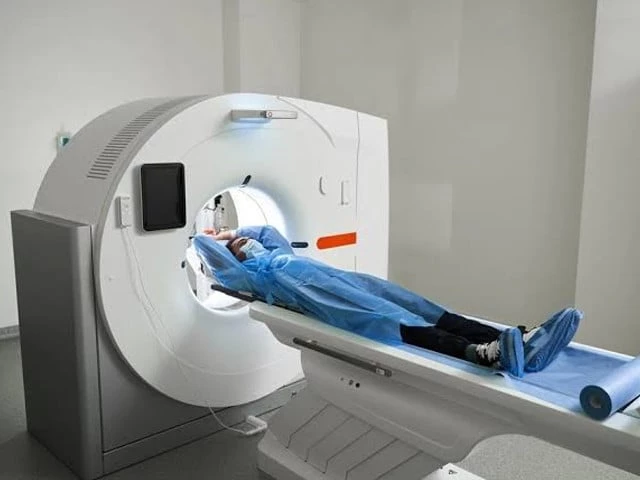
Uneven availability of diagnostic services in government hospitals across Punjab is leaving patients' access to affordable MRI and CT scan facilities uncertain.
According to health officials, the provincial government is continuing investment in diagnostic technology as purchasing the sophisticated medical equipment requires substantial expenditure, while its usefulness depends on regular maintenance, technical support and the availability of components for replacement.
Meanwhile, the Drug Regulatory Authority of Pakistan (DRAP) recently introduced a framework of requirements for businesses involved in refurbishing medical devices, covering technical capacity, quality, licensing and documentation.
The requirements include suitable refurbishment facilities, personnel, testing and record of replaced components. Third-party refurbishers must also meet conditions concerning authorisation from equipment manufacturers, while imported refurbished devices require additional documentation. Equipment involving radiation is subject to calibration requirements through the Pakistan Nuclear Regulatory Authority.
However, the Pakistan Pre-owned Medical Devices Association has expressed reservations about the financial and administrative requirements, particularly for smaller businesses.
The association had sought consultations with the DRAP over manufacturer authorisation, import documentation and registration procedures. It has also suggested different approval categories according to the nature and technical requirements of refurbished equipment.
A provincial health official said government hospitals in several districts required additional diagnostic facilities, while major teaching hospitals also needed investment to maintain and upgrade their equipment.
A provincial government report had also highlighted the MRI access gap.
There were less than five hospitals among 33 DHQ facilities that had MRI facilities.
The official mentioned a proposed Rs6.23 billion initiative to extend the MRI services to the district hospitals beyond major urban centres.
The Punjab Health and Population Department had initiated a Rs1.83 billion project a couple of months ago to install 32-slice CT scan machines at 24 district headquarters hospitals to strengthen the diagnostic capacity through government equipment.
The selected hospitals were providing CT scan services through outsourcing arrangements with approximately 600 examinations conducted monthly at each location on average.
The transition towards government-owned machines also requires long-term planning for staffing, servicing and technical support.
During the project's review, equipment specifications and arrangements for maintenance after the warranty period were among the matters considered.
On the other hand, investment in diagnostic technology has also continued at large hospitals of the Punjab government.
"The provincial government has approved this month an allocation of Rs1.1 billion for additional CT scan machines at the Punjab Institute of Cardiology, General Hospital and Benazir Bhutto Hospital in Rawalpindi but there is need of more CT scan and MRI machines for the huge population," a senior health official said.
The equipment for which the allocation has been made include a specialised cardiac CT scanner for the Punjab Institute of Cardiology, reflecting the need for advanced imaging in the treatment and assessment of cardiovascular conditions. The diagnostic infrastructure requires continuous financial planning rather than a one-time purchase, the official said and added, a machine's operational life depends on servicing, calibration, software support, trained operators and the timely replacement of essential parts.












This material may not be published, broadcast, rewritten, redistributed or derived from. Unless otherwise stated, all content is copyrighted © 2026 The Express Tribune.






COMMENTS
Comments are moderated and generally will be posted if they are on-topic and not abusive.
For more information, please see our Comments FAQ