46% blame taxes for rising petrol prices
Updated 39 minutes ago

Survey finds 21% cite global conditions; tax concerns more pronounced among urban respondents
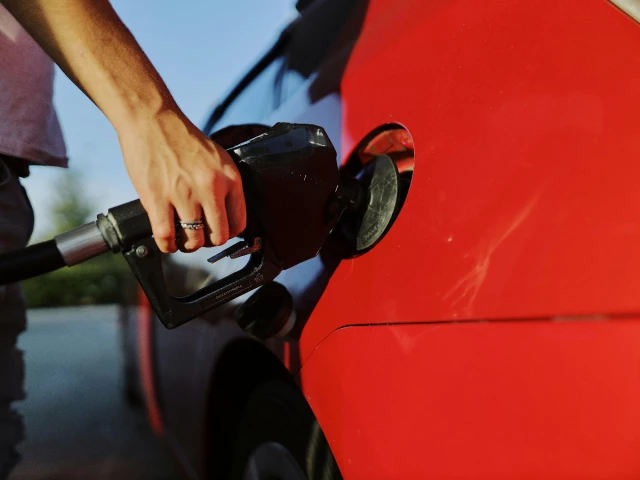
Government taxes and levies are the leading explanation Pakistanis give for the recent increase in petrol prices, with nearly half attributing the rise to domestic taxation rather than international market conditions, according to a Gallup & Gilani Pakistan survey released on Monday.
The survey found that 46% of adult Pakistanis believe government taxes and levies are the main reason, while 21% attribute it to global conditions. Another 6% cited the rupee's value and 5% identified global oil prices as the primary reason, suggesting public perception is centred more on the domestic tax burden than external factors, despite the role international oil prices and currency movements play in determining fuel costs.
The latest Sensitive Price Indicator (SPI) data released by the Pakistan Board of Statistics (PBS) offers additional context. For the week ended November 12, 2026, petrol prices declined by 7.42% week-on-week, while diesel prices fell by 6.10%. However, on a year-on-year basis, petrol prices were still 26.23% higher, while diesel prices had increased by 30.77%. The distinction is significant because the survey asked respondents to identify the main reason for the increase, rather than assessing the individual contribution of different components.
Research Analyst at Optimus Capital Management Bazif Memon told The Express Tribune that recent petroleum price volatility had largely been driven by international oil and refined-product prices rather than domestic levies. He noted that although taxes and levies account for a significant share of pump prices, global supply disruptions and geopolitical tensions were the main drivers of September's increases, adding that fiscal commitments under the IMF programme limited the government's scope to reduce petroleum levies.
He pointed out the government had budgeted Rs1.676 trillion in petroleum levy collections and Rs50 billion through the Climate Support Levy for FY27, making these revenues important to fiscal targets. He cautioned that weaker fuel consumption, particularly of high-speed diesel, could further complicate revenue collection, as levy receipts depend on per-litre rates and sales volumes. The survey results reflect public understanding rather than petrol prices' actual composition.
Notably, more than one-fifth of respondents, or 21%, said they did not know the reason behind the increase, while 1% declined to respond. This indicates that a considerable section of the population either remains uncertain about the factors influencing petrol prices or does not associate the increase with any particular explanation. The perception that taxes and levies are responsible for higher petrol prices was particularly pronounced among more educated respondents, with 60% of those with FA and above education identifying government taxes as the main reason, compared with 43% among those with less than FA education. The 17-percentage-point difference suggests a notable variation in how respondents with different educational backgrounds understand the factors behind rising fuel prices. However, the survey does not establish why more educated respondents were more likely to identify taxation as the principal cause. A difference was also visible between urban and rural respondents, though smaller than the education-based gap, with half of urban respondents (50%) attributing the increase to government taxes and levies, compared with 44% in rural areas.
The higher urban response may point to a stronger tendency among city residents to associate fuel price increases with government-imposed charges. Nevertheless, taxation remained the most frequently cited explanation in both urban and rural areas, indicating the perception is not confined to a particular geographical group. The proportion attributing the increase to global conditions stood at 21%, making it the second most cited explanation, while smaller shares identifying the rupee's value (6%) and global oil prices (5%) suggest these factors were less prominent.
Taken together, the findings highlight a strong public association between petrol prices and government taxation. While the survey does not measure the actual contribution of taxes, currency movements or international oil prices to the latest adjustment, it offers an indication of how consumers perceive rising fuel costs.









This material may not be published, broadcast, rewritten, redistributed or derived from. Unless otherwise stated, all content is copyrighted © 2026 The Express Tribune.






COMMENTS
Comments are moderated and generally will be posted if they are on-topic and not abusive.
For more information, please see our Comments FAQ