Kohat raid on gold miners ambushed
Updated 44 minutes ago

New budget support combats natural disaster losses
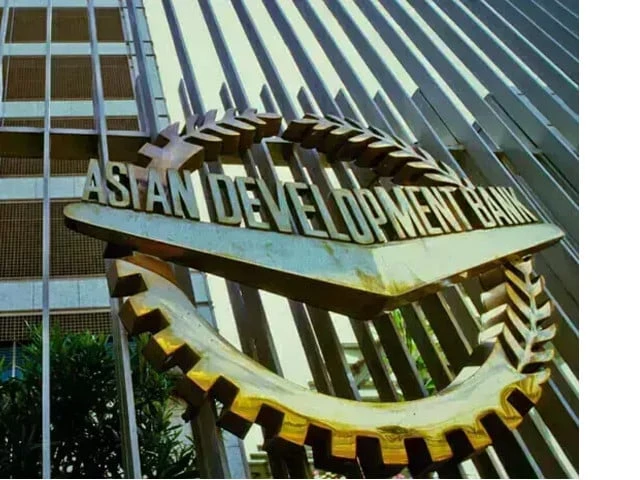
The Asian Development Bank (ADB) on Wednesday approved $500 million in contingent disaster financing facilities for Pakistan to help the country withstand and respond to natural disasters, providing prompt budget support following eligible disaster events.
According to a statement issued by the ADB, the financing was approved under the bank's policy-based lending and was aimed at reducing the economic and fiscal impact of disasters, including floods and earthquakes.
"Floods, earthquakes, and other disasters cause Pakistan an estimated $2 billion in annual average losses," the statement read. It added that the 2022 floods alone had caused $14.9 billion in direct damage and $15.2 billion in economic losses, pushing as many as 9.1 million people into poverty.
"Poor and rural communities have less capacity to recover, while women and girls are disproportionately affected," the bank said.
The financing formed part of the second subprogramme of the Climate and Disaster Resilience Enhancement Programme, which supported reforms to strengthen disaster preparedness and risk management and integrate resilience measures into Pakistan's development planning and investment.
The programme also aimed to strengthen the country's disaster risk financing framework and improve the availability of funds following disaster events.
"When disaster strikes, it is often the most vulnerable communities that are hit hardest," ADB Country Director for Pakistan Emma Fan was quoted in the statement as saying.
"Investing in preparedness can help protect lives and livelihoods, reduce economic losses, and safeguard the development gains Pakistan has worked hard to achieve," she added.
Fan said the programme would support Pakistan in implementing "critical reforms to ensure a more resilient future".
The ADB said the programme was aligned with Pakistan's priorities for managing disaster risks and with the bank's commitment to supporting resilience initiatives across Asia and the Pacific.











This material may not be published, broadcast, rewritten, redistributed or derived from. Unless otherwise stated, all content is copyrighted © 2026 The Express Tribune.







COMMENTS
Comments are moderated and generally will be posted if they are on-topic and not abusive.
For more information, please see our Comments FAQ