Karachi likely to receive light rain, drizzle on Friday: PMD
Updated 1 hour ago

Says westerly wave affecting the western and upper parts of the country
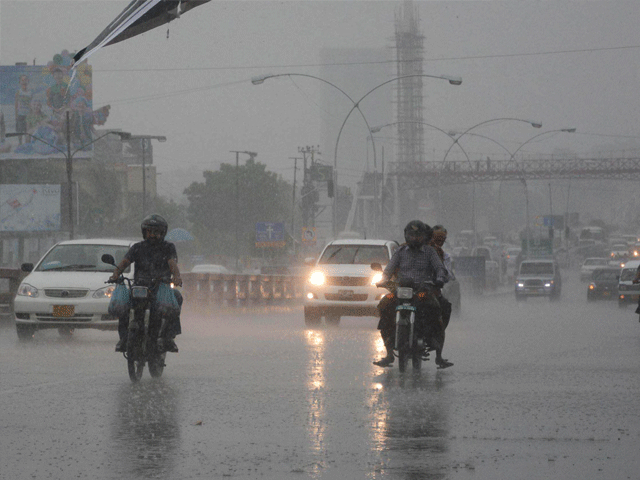
Light rain and drizzle are expected at isolated places in Karachi on Friday, while most parts of Sindh are likely to experience dry and cool weather, the Pakistan Meteorological Department (PMD) said on Wednesday.
In its weather outlook, the Met department said a westerly wave was affecting the western and upper parts of the country, bringing the possibility of light rain in Karachi, Dadu, Kamber Shahdadkot, Jamshoro and Thatta districts.
Karachi was expected to remain dry on Wednesday, with mist likely during the morning on Thursday. The city was forecast to remain partly cloudy on Friday, with chances of isolated drizzle or light rain.
The maximum temperature in Karachi was expected to remain between 32 and 34 degrees Celsius over the next three days, while the minimum temperature was forecast to range between 19 and 23 degrees Celsius.
The department said dry weather with cool nights was likely to prevail across most parts of Sindh, while misty mornings were expected in the province's plains.
Karachi and other parts of Sindh have been experiencing foggy and misty conditions during the transition to winter. Earlier this month, the PMD warned of reduced visibility in Karachi during early morning hours, with visibility falling to 2.5 kilometres on November 9. The Met department forecast further morning fog in the city, while similar conditions were expected in other parts of Sindh, including Hyderabad, Sukkur, Mithi and Thatta.
Read: Karachi weather update: Cool nights, foggy mornings expected
Sindh recorded the country's largest rainfall deficit during the 2026 monsoon season, receiving 50.8 per cent less rain than normal between July and September, according to Pakistan Meteorological Department data.
Karachi faced an even greater shortfall, with rainfall 92 per cent below normal during the period. The department attributed the below-normal monsoon activity partly to the El Niño weather pattern, which can influence rainfall distribution across South Asia.
Karachi also experienced its weakest monsoon in nearly three decades this year, with the likelihood of significant rainfall remaining low towards the end of the season. A report published by The Express Tribune on August 31 said prospects of substantial showers in September had diminished, with the city relying largely on the development of a low-pressure system over the Arabian Sea for meaningful rainfall.















This material may not be published, broadcast, rewritten, redistributed or derived from. Unless otherwise stated, all content is copyrighted © 2026 The Express Tribune.










COMMENTS
Comments are moderated and generally will be posted if they are on-topic and not abusive.
For more information, please see our Comments FAQ