Win for students: LHC directs two private medical colleges to adjust, refund excess fees by Nov 29
Updated 1 hour ago

Information minister says policy will help reduce fuel import bill, allow for resources to be spent on public needs
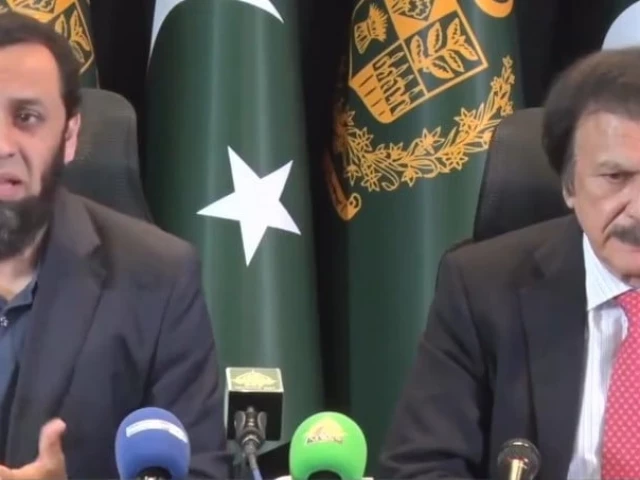
The federal government on Saturday unveiled a new auto policy aimed at promoting electric vehicles (EVs) and boosting localisation, while aiming to reduce the country’s fuel import bill.
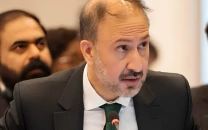
Speaking at a press conference in Islamabad, Information Minister Attaullah Tarar, speaking alongside the Adviser to the Prime Minister for Industries and Production, Haroon Akhtar Khan, noted that the policy had been formulated after "extensive consultations" with stakeholders, analysis of technical data and a comparative study of international models.
Tarar added: "The new auto policy aims to promote innovation, value addition and localisation in the domestic automobile industry to create employment opportunities and enable vehicle exports. The promotion of electric vehicles will help reduce carbon emissions and the petroleum import bill, while incentives have also been introduced for setting up charging stations."
Read: Draft auto policy balances hopes and realities
نئی آٹو پالیسی میں تمام اسٹیک ہولڈرز کی مشاورت، ٹیکنیکل ڈیٹا کے تجزیے اور دنیا کے مختلف ماڈلز کا جائزہ لیا گیا۔مقامی صنعت میں جدت، ویلیو ایڈیشن اور لوکلائزیشن کو فروغ دیا جائے گا تاکہ روزگار کے مواقع پیدا ہوں اور گاڑیوں کی برآمدات ممکن ہوں۔
— Attaullah Tarar (@TararAttaullah) November 7, 2026
الیکٹرک وہیکلز کی حوصلہ افزائی سے… pic.twitter.com/tnZWMIrvtO
Tarar added that the new policy focused on promoting electric motorcycles and scooters, adding that their adoption was essential for tackling environmental pollution and also securing economic benefits through carbon credits.
The minister explained the shift towards electric vehicles with the need to reduce Pakistan’s reliance on imported fuel, further adding that the rising fuel import bill placed an excessive burden on the economy and ordinary people.
“If we reduce the fuel import bill, the resources saved can be diverted towards public facilities, infrastructure, healthcare and education,” he stressed.
اسلام آباد: وفاقی وزیر اطلاعات عطاء اللہ تارڑ اور وزیر اعظم کے مشیر ہارون اختر کی پر یس کا نفرنس https://t.co/mmrf1iOt6X
— PMLN (@pmln_org) November 7, 2026
While reflecting on the significance of localisation, the minister said the auto policy sought to encourage manufacturers to establish production facilities in Pakistan and make vehicles for both domestic consumption and export.
“Unless vehicles are manufactured locally and exports begin, the country will not reap the full benefits of this sector in terms of investment and employment,” Tarar said.
وفاقی وزیر اطلاعات و نشریات عطاء اللہ تارڑ نے کہا ہے کہ نئی آٹو پالیسی کے تحت الیکٹرک وہیکلز کو خصوصی مراعات دی گئی ہیں، مقامی سطح پر گاڑیوں کی تیاری اور برآمدات کو فروغ دیا جائے گا جبکہ عام آدمی کو سستی، معیاری اور ماحول دوست سواری کی فراہمی یقینی بنائی جائے گی۔#AutoPolicy pic.twitter.com/VA9h66ouyG
— APP (@appcsocialmedia) November 7, 2026
He further underlined that decades of protection for the local automobile industry through high import duties had not delivered the "expected improvements" in innovation, value addition and vehicle quality for consumers in Pakistan.
“The protection extended to the local industry was meant to ensure better quality, innovation and facilities for ordinary consumers. Unfortunately, the industry did not make the progress expected of it,” the minister remarked.
He said the policy also kept the needs of lower-income consumers into consideration, with petrol-powered vehicles below 1,000cc remaining outside the proposed changes affecting the segment.
Tarar further highlighted incentives for electric vehicle manufacturing and charging infrastructure, including customs duty relief for charging stations and a reduction in sales tax.
“Just as Pakistan witnessed a solar energy revolution, this policy can help bring a similar transformation in the transport sector,” he stated.




This material may not be published, broadcast, rewritten, redistributed or derived from. Unless otherwise stated, all content is copyrighted © 2026 The Express Tribune.




COMMENTS
Comments are moderated and generally will be posted if they are on-topic and not abusive.
For more information, please see our Comments FAQ