Drake Bell slams SAG AFTRA after losing eligibility for health insurance: 'Do not become an actor'
Updated 42 minutes ago

The documentary includes a White House interview with Donald Trump but does not address the assault allegations
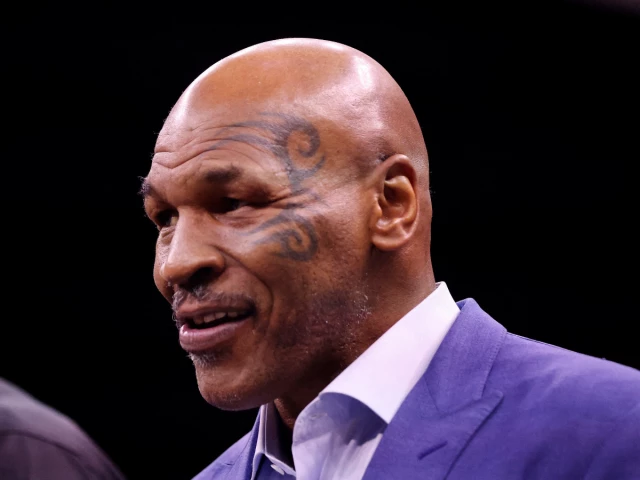
Mike Tyson revisits his troubled past in Netflix’s four part documentary Tyson, but the series has drawn criticism for presenting an incomplete portrait of the former heavyweight champion and his history of controversy.
In a review published by The Guardian on October 14, Andrew Lawrence argues that Tyson’s willingness to discuss painful experiences does not necessarily translate into accountability for his actions. The documentary explores his childhood in Brooklyn, rise to boxing fame, struggles with addiction and complicated relationship with public attention.
Tyson became one of boxing’s most feared figures through his extraordinary knockout power. However, his career was also marked by serious controversies, including his 1992 rape conviction and imprisonment, his turbulent relationship with actor Robin Givens and his disqualification for biting Evander Holyfield’s ear during their 1997 fight.
The documentary revisits several of these episodes, while Tyson offers his own interpretations of events. Lawrence argues that his candidness can be compelling but also unsettling, particularly when he discusses Desiree Washington, who accused him of rape when she was 18. Tyson was convicted in the case and served a prison sentence.
Washington and Givens are notable absences from the series, despite the documentary addressing their connections to Tyson’s past. Their perspectives could have offered viewers additional context about experiences that remain central to his public reputation.
Director Floyd Russ also interviews US President Donald Trump, who previously promoted Tyson’s fights at his Atlantic City casino. According to the review, the conversation focuses on media treatment of Tyson and Trump, without addressing the rape conviction.
The series also explores Tyson’s grief over the death of his trainer Cus D’Amato and the accidental death of his four year old daughter in 2009. These moments reveal the personal tragedies behind his public image.
Tyson, who also serves as a producer, openly acknowledges his fascination with being filmed, describing the camera as a narcotic. For Lawrence, that admission captures the central tension of the documentary: Tyson remains compelling on screen, yet the series leaves questions about responsibility and redemption unresolved.













This material may not be published, broadcast, rewritten, redistributed or derived from. Unless otherwise stated, all content is copyrighted © 2026 The Express Tribune.






COMMENTS
Comments are moderated and generally will be posted if they are on-topic and not abusive.
For more information, please see our Comments FAQ