NEPRA allows Rs1.11 per unit fuel adjustment in October billing
Updated 3 hours ago

Also orders 20-year-old motorcycles and rickshaws be made eligible for registration
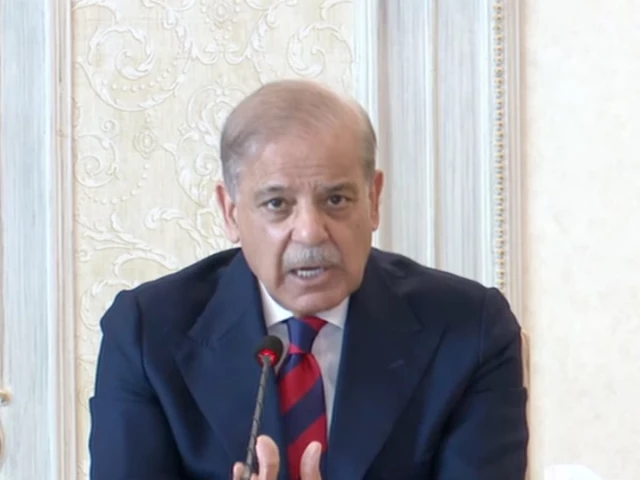
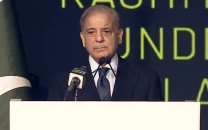
Prime Minister Shehbaz Sharif on Friday expanded the Special Relief Scheme, allowing motorcycle, Chingchi and rickshaw users buying less than five litres of petrol to avail a Rs500 weekly subsidy through a single token, with four tokens to be issued each month.
The decision was taken in light of feedback received from across the country, while the scheme, under which petrol is being provided at a subsidised rate of Rs100 per litre, continues to be implemented nationwide, according to a statement issued by the Prime Minister’s Office.
The statement said the prime minister had taken “another important decision” based on feedback received regarding the scheme.
وزیراعظم خصوصی ریلیف سکیم کا پورے پاکستان میں کامیاب اجراء، ریلیف سکیم کے تحت پاکستان بھر میں 100 روپے فی لیٹر رعائتی نرخوں پر پٹرول کی فراہمی کامیابی سے جاری ہے.
— Prime Minister's Office (@PakPMO) September 18, 2026
وزیراعظم محمد شہباز شریف نے ملک بھر سے سکیم سے متعلق موصول ہونے والی آراء کی روشنی میں ایک اور اہم فیصلہ کیا ہے.…
“On the prime minister’s directive, motorcycle, Chingchi, and rickshaw users purchasing less than five liters of petrol will also receive a subsidy of Rs500 per week on one token,” it said.
“One token will be issued weekly, and a total of 4 tokens will be issued per month,” the statement added.
The PMO said vehicle users with engines of up to 800cc will continue to receive a subsidy of Rs100 per litre on 10 litres of petrol every 10 days, as before.
“Thus, the process of issuing 3 tokens for 10 liters each per month will also continue,” the statement said.
In an earlier notification, the prime minister directed the immediate inclusion of 20-year-old motorcycles, rickshaws and Qingqi rickshaws in the Prime Minister Fuel Relief Scheme.
According to the PMO's statement on X, the prime minister had issued “special directives” to provide further relief to the public under the scheme.
وزیراعظم محمد شہباز شریف نے پرائم منسٹر فیول ریلیف سکیم میں عوام کو مزید سہولت فراہم کرنے کی خصوصی ہدایت کر دی.
— Prime Minister's Office (@PakPMO) September 18, 2026
وزیراعظم فیول ریلیف سکیم میں 20 سال پرانی موٹر سائیکلوں، رکشوں اور چنگ چی رکشوں کو فی الفور شامل کرنے کی ہدایت، یکم جنوری 2006ء کے بعد رجسٹرڈ تمام موٹر سائیکلیں،…
The statement further added that all motorcycles, rickshaws and Qingqi rickshaws registered after January 1, 2006, would be eligible for registration in the Prime Minister Fuel Relief Scheme.
“Individuals operating 20-year-old motorcycles, rickshaws and Qingqi will also be able to benefit from the Prime Minister Fuel Relief Scheme,” the PMO said.
Prime Minister's Fuel Relief Scheme
The Prime Minister’s Fuel Relief Scheme, announced on September 13 and rolled out across the country at midnight on September 16 amid a continuous rise in fuel prices due to a war in the Gulf, provides a Rs100-per-litre petrol subsidy to eligible motorcycles, rickshaws, other two- and three-wheelers, and cars of up to 800cc
مشرق وسطی میں حالیہ کشیدگی اور اسکے باعث عالمی منڈی میں بڑھتی ہوئی تیل کی قیمتوں کا عوام پر بوجھ بڑھنے کا فوری نوٹس لیتے ہوئے وزیرِ اعظم محمد شہباز شریف کی جانب سے ایک خصوصی ریلیف سکیم کا اجراء کر دیا گیا ہے.
— Prime Minister's Office (@PakPMO) September 13, 2026
وزیر اعظم نے سکیم کا اجراء کرتے ہوئے کہا ہے کہ تیل کی قیمتوں میں…
The prime minister directed the establishment of facilitation desks comprising administration officials, volunteers and petrol pump staff to assist citizens in easily obtaining the subsidy.
Read: Fuel relief scheme to go nationwide at midnight tomorrow
He directed that personnel deployed at the facilitation desks should guide eligible citizens and provide them with all possible assistance in registration and other necessary procedures.
PM Shehbaz also asked the relevant authorities to remain proactive in creating public awareness about the scheme.
Targeted fuel relief scheme to benefit low-income motorists
Federal Minister for Climate Change and Environmental Coordination Dr Musadik Malik said the Prime Minister’s Fuel Relief Scheme had been designed primarily to support low-income citizens, including delivery riders, rickshaw drivers and families dependent on motorcycles and small cars.
the minister said eligible motorcycle users would receive Rs100 per litre in fuel relief on up to 20 litres of petrol per month, providing maximum monthly assistance of Rs2,000.
Meanwhile, owners of small cars would be eligible for relief on up to 30 litres of petrol, translating into Rs3,000 in monthly assistance, he added.
The minister observed the targeted initiative was aimed at cushioning the impact of rising fuel prices on people who rely on motorcycles, rickshaws and small vehicles for their livelihoods and essential daily travel.
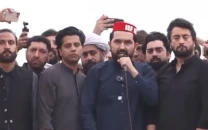
Read more: JI announces Sept 20 long march on Islamabad over petroleum levy
He said delivery riders were among those hit hardest by rising fuel prices, as they continued to cover the same distances while their fuel expenses had increased significantly.
“Rs2,000 can make a significant difference to a low-income delivery rider’s household,” the minister said, adding that the amount could help families meet basic expenses such as food, milk and eggs.
He also cited the example of a woman who drives a Qingqi rickshaw to support her family, saying the monthly fuel relief could help her pay her child’s school fee.
Rising oil prices
According to the Pakistan Economic Survey 2024-25, petroleum products constitute one of the country's largest import categories, making the economy highly vulnerable to changes in global crude oil prices.
Domestic refineries satisfy only part of national demand, while the remainder is met through imports of crude oil and refined petroleum products. Consequently, every increase in international oil prices raises Pakistan's import bill, pressures foreign exchange reserves, and contributes to inflation.
Global geopolitical developments continue to pose significant risks. International oil prices are influenced by decisions taken by OPEC+, conflicts in the Middle East, sanctions on oil-producing nations, and disruptions in critical shipping routes such as the Strait of Hormuz and the Red Sea.
Also read: Govt increases petrol price by Rs5.02, HSD by Rs5.28 per litre
At the height of the price surge in early April, petrol reached a record Rs458.40 per litre, after the government raised it by Rs137 in a single revision.
The federal government on July 17 announced that petroleum product prices would now be reviewed and notified on a daily basis, replacing the weekly pricing mechanism, as renewed tensions between the United States and Iran continue to drive volatility in global oil markets and raise concerns over fuel supplies.
The decision had come after the government had already shifted from fortnightly to weekly fuel price revisions following the first phase of the US-Iran conflict.
The move, however, drew criticism from transporters, businesses and opposition lawmakers, who argued that frequent price revisions would create uncertainty, drive up transport and freight costs, and make it difficult for businesses and consumers to plan expenses. Petrol pump owners also threatened a nationwide strike before suspending the protest after the government assured them their concerns would be addressed.




This material may not be published, broadcast, rewritten, redistributed or derived from. Unless otherwise stated, all content is copyrighted © 2026 The Express Tribune.




COMMENTS (2)
Comments are moderated and generally will be posted if they are on-topic and not abusive.
For more information, please see our Comments FAQ