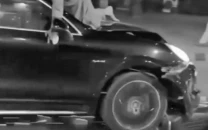
Luxury car driver drags man, bike on road
Updated Sep 29, 2026

Number of families refusing to have their children vaccinated against polio continues to rise in Rawalpindi

The continued presence of poliovirus in sewage samples from Rawalpindi district has prompted the district Health Department to approve another anti-polio vaccination campaign across the district.
Claims that Rawalpindi had been made polio-free have proved premature, as the Health Department has announced the latest campaign will be conducted from September 21 to 24.
During the four-day drive, around one million children from newborns to five years of age will be administered polio drops.
Meanwhile, the number of families refusing to have their children vaccinated against polio continues to rise in Rawalpindi. Previously, the district administration and Health Department had attributed vaccine refusals largely to Afghan families. However, that explanation has been undermined by the continued rise in refusals despite the deportation of Afghan families from across the district.
Officials now face refusals from families in affluent neighbourhoods as well. Refusal cases have been reported in Pindora, Satellite Town, New Katarian, Khayaban-i-Sir Syed, Saddar, Dhoke Hasu, Pirwadhai and Dhoke Mangtal.
According to the report, domestic employees of residents of large houses often do not open their doors when anti-polio teams arrive. In affluent neighbourhoods, female polio workers reportedly move on after hearing dogs barking when they knock on doors or ring doorbells.
Claims of fully covering vaccine-refusing families have also failed to translate into effective field coverage. During several recent anti-polio campaigns, teams have reportedly stopped visiting government and private schools and setting up vaccination counters at railway stations and bus stops.
In practice, a widespread pattern has emerged across the city, with both anti-polio and anti-dengue teams being turned away by residents.







This material may not be published, broadcast, rewritten, redistributed or derived from. Unless otherwise stated, all content is copyrighted © 2026 The Express Tribune.



COMMENTS
Comments are moderated and generally will be posted if they are on-topic and not abusive.
For more information, please see our Comments FAQ