French PM calls for 'partial curfews' in cities hit by riots and looting
Updated 6 hours ago

New Delhi intends to open a tightly guarded sector to private and foreign investors
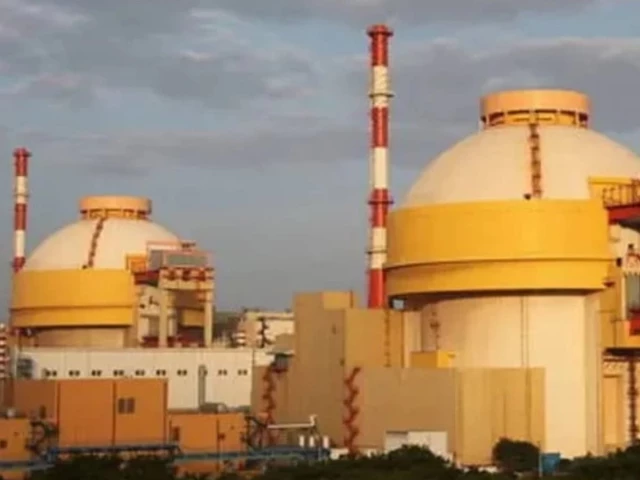
India has proposed a tightly supervised approval regime for private nuclear power generation, opening the door to foreign reactor technologies with proven track records.
The draft rules and regulations offered the clearest picture yet of how New Delhi intends to open a tightly guarded sector to private and foreign investors, while retaining control over entry and operations, in line with global nuclear markets.
According to the draft rules under the Nuclear Energy Act, companies would secure approval in principle to engage vendors, undertake preliminary development work and secure land before obtaining a formal licence.
Read: Hindu extremists in control of India's nuclear arsenal: NCA adviser
Once licensed, projects would face stage-by-stage regulatory scrutiny covering design, siting, construction, commissioning and operation. The draft regulations propose oversight powers for regulators, including the ability to halt work at key project stages.
India's nuclear industry has remained largely under state control, with access to foreign fuel and technology constrained for decades after its 1974 nuclear test explosion triggered international restrictions.
Last year, the country amended the nuclear energy act to allow private companies to build and operate projects, while retaining control over licensing and strategic nuclear materials.
The world's third-largest greenhouse-gas emitter aims to expand nuclear generation capacity 12-fold to 100 gigawatts (GW) over the next two decades, making private investment and foreign technology critical to meeting those ambitions.
Reuters reported earlier that India invited domestic private conglomerates, including Adani Green, Tata Power and Reliance Industries, to invest in nuclear power.
Read more: India's Agni-VI and the world's new nuclear nightmare
Changes to the nuclear energy act included capping liability of nuclear equipment suppliers in accidents, a longstanding concern. The move was aimed at reviving interest from foreign vendors such as General Electric, Westinghouse Electric and EDF.
The draft regulations, circulated for public consultation, allow reactor designs with established overseas operating records, requiring developers to submit licensing and operating experience in their home markets.
Nuclear power developers would be required to maintain financial security for nuclear liability, decommissioning and waste-management obligations, and submit plans for the management of radioactive waste.















This material may not be published, broadcast, rewritten, redistributed or derived from. Unless otherwise stated, all content is copyrighted © 2026 The Express Tribune.





1727268465-0/Untitled-design-(42)1727268465-0-208x130.webp "sisyphus in the land of saviours")
COMMENTS
Comments are moderated and generally will be posted if they are on-topic and not abusive.
For more information, please see our Comments FAQ