Swap lines as diplomatic currency
Updated 13 hours ago

Boom-bust cycles erode purchasing power, push investors to repatriate capital
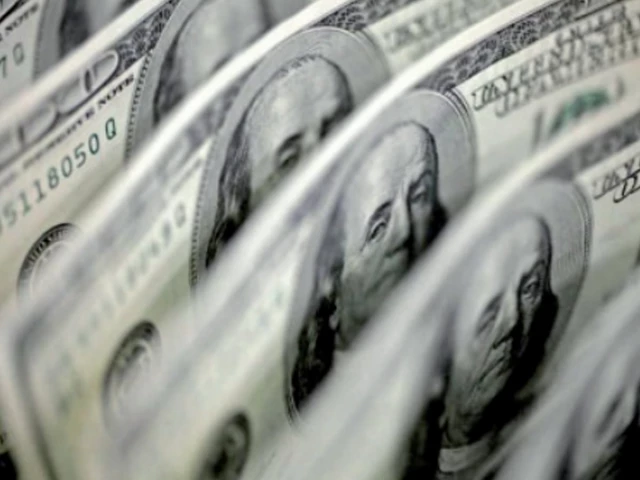
If there is one economic data point that has consistently worried Pakistani analysts, investors, policymakers, bankers, and even the common man, it is the current account deficit.
In simple terms, the current account reflects a country's dollar inflows versus outflows by accounting for exports and imports of goods and services (including IT exports), as well as workers' remittances. Any deficit in the current account must be financed through capital account inflows such as foreign direct investment (FDI), external loans, grants, and other financial inflows. Pakistan has witnessed this cycle before. In 2017-18 and again in 2021-22, widening current account deficits resulted in a sharp depreciation of the rupee, import restrictions, higher import duties, soaring inflation, and a significant increase in interest rates.
Against this backdrop, the current account deficit of $649 million in June 2026 is understandably worrying for informed investors, although it may still be too early to draw definitive conclusions. The global economy remains affected by geopolitical conflicts, with energy markets disrupted and higher oil and gas prices increasing Pakistan's import bill. In addition, LNG, coal, chemicals linked to energy prices, and freight costs have all become more expensive, putting further pressure on the country's external account.
In June 2026, Pakistan's exports of goods remained broadly flat compared to the same month of last year, while imports increased by almost $1 billion. With the rupee remaining relatively stable, the risk of future depreciation is gradually increasing as exports remain relatively uncompetitive and the country has yet to attract meaningful large-scale FDI inflows.
Had it not been another bumper year of workers' remittances, which grew by nearly 9% to reach approximately $41 billion, Pakistan would likely have experienced even greater economic stress. It is also important to remember that this marks the third consecutive year in which economic growth has barely kept pace with population growth.
While fiscal discipline and prudent monetary policy remain essential to maintain the confidence of lenders, investors, credit rating agencies, and domestic markets, much more ambitious structural reforms are required to sustainably increase exports. The recent budget introduced several positive measures, including the removal of super tax on exporters, lower duties on raw materials and intermediate goods, and a reduction in the minimum tax to 1.25%. These are encouraging steps. However, policymakers should also establish clear export growth targets focused on product diversification, expansion into new international markets, greater value addition, import substitution where feasible, adoption of agricultural technology, improved crop yields, and attracting high-quality FDI, particularly in technology-intensive sectors.
The IMF would generally be comfortable with a current account deficit of less than 2% of GDP, which roughly translates into a monthly deficit of around $700 million. However, with political pressure likely to increase ahead of future elections, there is a risk that higher fiscal spending, easier monetary conditions, and stronger import demand could widen the deficit again, complicating long-term investment planning.
Another long-term consequence of these recurring boom-and-bust cycles is the erosion of domestic purchasing power. Foreign investors may also become more inclined to repatriate capital through stake sales or higher dividend payouts rather than reinvesting in Pakistan or transferring technology. Having said that, there are also encouraging examples of new investors entering the country, demonstrating that Pakistan continues to offer attractive opportunities when the policy environment remains stable.
The beginning of the new fiscal year should serve as a wake-up call for policymakers. Rather than relying solely on periodic recommendations from economic advisory councils, the government should convene monthly, or even bi-weekly, meetings with the country's top 100 exporters. Continuous engagement would enable policymakers to identify emerging challenges, remove bottlenecks quickly, and work collectively towards an ambitious but achievable target of 15% annual growth in exports of goods and services. For a developing country like Pakistan, there is simply no substitute for sustained export-led growth. It remains the only durable path towards external stability, stronger economic resilience, higher incomes, and lasting prosperity.
The writer is an independent economic analyst








This material may not be published, broadcast, rewritten, redistributed or derived from. Unless otherwise stated, all content is copyrighted © 2026 The Express Tribune.






COMMENTS
Comments are moderated and generally will be posted if they are on-topic and not abusive.
For more information, please see our Comments FAQ