Tim Curry, actor famed for 'Rocky Horror Picture Show' and 'IT', dead at 80
Updated 6 hours ago

Clavicular responds after Alexandria Ocasio-Cortez criticizes looksmaxxing and its impact on young men's confidence
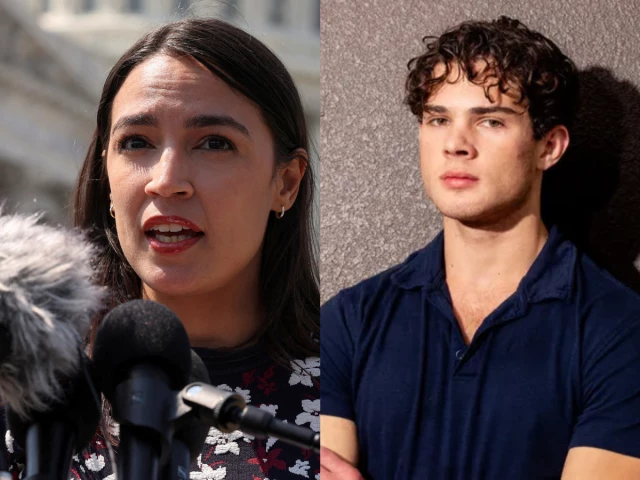
Streamer Clavicular has responded to criticism from Rep. Alexandria Ocasio-Cortez over the growing online trend known as “looksmaxxing,” arguing that the movement is about more than physical appearance.
The influencer addressed AOC’s comments on X after she questioned the message the trend may send to young men. Ocasio-Cortez recently expressed concerns that looksmaxxing could create unrealistic beauty standards and increase appearance-based pressure, similar to body image struggles that have affected women for years.
Why do people act like you automatically reject the importance of charisma/personality when becoming a looksmaxer.
— Clavicular (@Clavicular0) July 15, 2026
Its always been about being as well rounded as possible and maxing every stat. https://t.co/hyKS0qqRoI
Clavicular pushed back against those concerns, saying the trend has been misunderstood. According to the streamer, looksmaxxing is not only focused on improving someone’s appearance but also involves broader personal development and becoming a more well-rounded individual.
The debate began after AOC discussed the trend with TMZ DC while speaking on Capitol Hill. She clarified that she was not against people wanting to improve themselves but said she believes discussions around confidence should focus more on self-worth rather than appearance alone.
Clavicular maintained that the movement encourages self-improvement across multiple areas, including confidence, lifestyle choices and personal growth. His response appeared to challenge the idea that looksmaxxing is solely about achieving a specific physical ideal.
The online discussion highlights a wider conversation around internet-driven self-improvement trends and their influence on younger audiences. While supporters view looksmaxxing as a way to build confidence and improve habits, critics argue that some versions of the trend can promote unrealistic expectations about appearance.
Neither Clavicular nor Ocasio-Cortez indicated that the discussion had gone beyond their public comments, but the exchange has sparked further debate about social media culture, beauty standards and modern ideas of self-improvement.









This material may not be published, broadcast, rewritten, redistributed or derived from. Unless otherwise stated, all content is copyrighted © 2026 The Express Tribune.












COMMENTS
Comments are moderated and generally will be posted if they are on-topic and not abusive.
For more information, please see our Comments FAQ