Fortnight of Independence Day celebration begins
Updated 15 minutes ago

Food Department accused of favouring private companies, disrupting supply
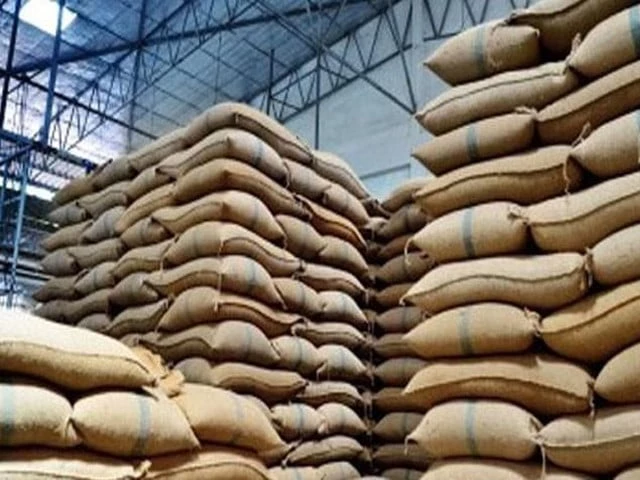
An acute flour crisis looms in the twin cities after the Punjab Food Department abruptly cancelled wheat procurement permits issued to all flour mills operating in Rawalpindi Division, prompting a strong protest from the Pakistan Flour Mills Association (PFMA).
The association has issued a 24-hour ultimatum, warning that unless the permits are immediately reinstated, all flour mills across Rawalpindi Division, including those supplying Islamabad, will cease operations and suspend flour distribution to the twin cities.
The warning has heightened concerns over a potential disruption to flour supplies in Islamabad and Rawalpindi, both of which rely heavily on wheat transported from surplus-producing districts due to the region's limited local wheat production
The decision was strongly condemned during a joint emergency meeting of the PFMA's Punjab chapter and Rawalpindi Division, chaired by Punjab Chairman Riaz Ullah Khan.
Association leaders stated that the latest action followed protests held two days earlier against what they described as the registration of "unjustified" criminal cases and First Information Reports (FIRs) against flour mill owners by the Punjab Food Department.
According to the PFMA, the department subsequently suspended permits allowing mills in Rawalpindi Division to procure wheat from producing districts, effectively disrupting the legal movement of wheat into the region.
Addressing the meeting, former PFMA Vice Chairman Raza Ahmed Shah and other leaders rejected the department's decision and declared the permit cancellations unacceptable.
They warned that if the permits were not restored immediately, flour mills would be shut down and the supply of flour to markets across Islamabad and Rawalpindi would be suspended entirely.
PFMA representatives criticised the Food Department for repeatedly taking measures that, they claimed, were driving up wheat prices and, consequently, increasing the cost of flour.
They alleged that the department was creating unnecessary obstacles to the lawful transportation of wheat into Rawalpindi, resulting in avoidable hardships for consumers.
Describing Rawalpindi Division and Islamabad as non-wheat-producing areas, the association stressed that the region's flour requirements depend entirely on wheat imported from surplus-producing districts.














This material may not be published, broadcast, rewritten, redistributed or derived from. Unless otherwise stated, all content is copyrighted © 2026 The Express Tribune.







COMMENTS
Comments are moderated and generally will be posted if they are on-topic and not abusive.
For more information, please see our Comments FAQ