Craig T. Nelson pays tribute to 'Coach' co-star Shelley Fabares after her death at 82
Updated 3 hours ago

The reversal comes days after SAG-AFTRA condemned the feature, arguing that users should've been asked for permission
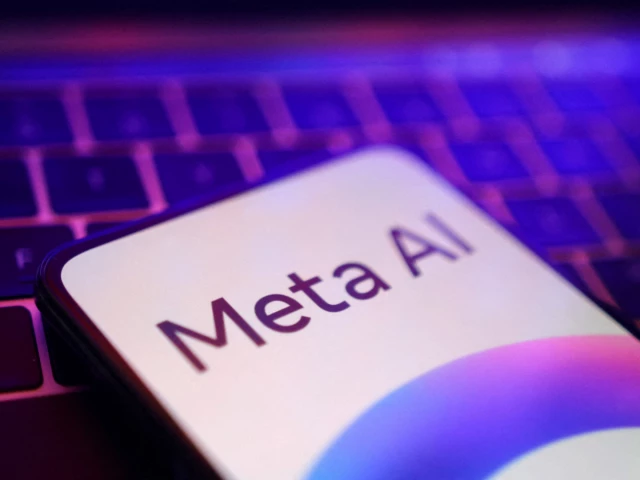
Meta has suspended its controversial AI image-generation feature for Instagram just days after launch, following intense criticism from privacy advocates, Hollywood organisations and users who argued the tool put consent and personal likenesses at risk.
The feature, known as Muse Image, allowed users to generate AI-created images using the public Instagram accounts of other adults simply by entering their usernames. The tool was enabled by default for public accounts, requiring users to manually opt out if they did not want their photos used.
On Friday, Meta confirmed it was discontinuing the feature after acknowledging that it had "missed the mark" with its rollout.
"We've heard the feedback and recognise that we missed the mark," a Meta spokesperson said, adding that the company would remove the functionality while it evaluates how to move forward.
The reversal comes just days after SAG-AFTRA condemned the feature, arguing that users should have been asked for permission before their public images could be used by artificial intelligence.
The actors' union praised Meta's decision to suspend the tool, calling it "the responsible course of action" given the risks of non-consensual digital replication and misuse of performers' likenesses.
The backlash also spread across Hollywood, with talent agencies, performers and privacy experts warning that the feature could make it easier to create misleading or manipulated images of real people. Critics argued that the opt-out system shifted the burden onto users instead of requiring explicit consent before AI models could access their public content.
Meta had originally promoted Muse Image as a creative tool designed to help users generate personalised artwork and edited images while incorporating safeguards against explicit, violent or defamatory content. However, those assurances failed to ease concerns about identity manipulation, deepfakes and the broader use of public images in generative AI.
The company has not indicated whether the feature will return in a revised form, though it suggested future AI products would incorporate lessons learned from the controversy. Meta also did not announce any changes to its broader AI strategy, which remains a major focus of the company's investment in generative technology.
The swift reversal marks a rare public retreat for Meta on a flagship AI feature and highlights the growing scrutiny facing technology companies over consent, privacy and digital likenesses. As AI tools become increasingly sophisticated, the debate over how companies should balance innovation with user rights is likely to remain at the centre of the industry's next wave of development.












This material may not be published, broadcast, rewritten, redistributed or derived from. Unless otherwise stated, all content is copyrighted © 2026 The Express Tribune.






COMMENTS
Comments are moderated and generally will be posted if they are on-topic and not abusive.
For more information, please see our Comments FAQ