Nepal wants technical help for flood, billions of dollars as bad weather hampers rescue
Updated 51 minutes ago

IUCN renew call for moratorium ahead of UN seabed mining talks
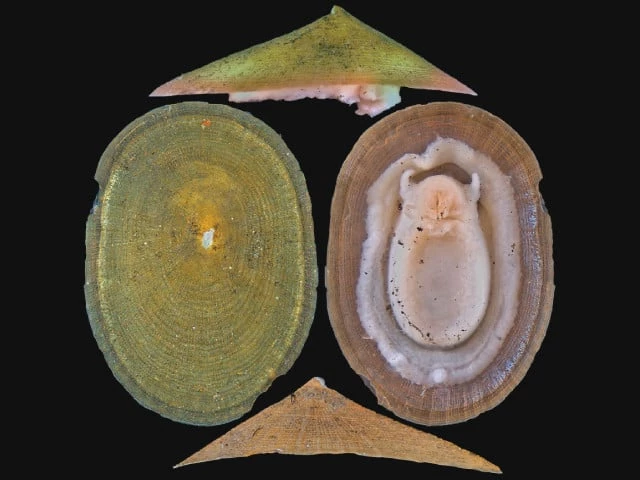
Over half of mollusc species that cluster around underwater vents and hold promising potential for medicine and technology are at risk of going extinct due to increasing deep-sea mining, the world's largest conservation network warned on Thursday.
The International Union for Conservation of Nature (IUCN) renewed its call for a moratorium on such operations before UN-led talks this month.
A growing number
of firms extract critical minerals such as copper, cobalt or zinc from the
superheated fluids emitted by natural hydrothermal vents on the ocean floor.
These species, though constituting less than 1% of global mollusc
biodiversity, play a vital role in the food webs of deep-sea vents.
According to the IUCN's latest "Red List" of threatened species, 62% of vent-dwelling mollusc species-125 out of 201-are now classified as at risk of extinction due to
mining operations, which create sediment blankets that disrupt entire ecosystems.
"Deep-sea mining would smother the entire ecosystem," Dr Chong Chen, a member of the IUCN's Mollusc Specialist Group told Reuters,
explaining that the loss of molluscs at a particular vent field would also mean the loss of all other non-mollusc vent
species.














This material may not be published, broadcast, rewritten, redistributed or derived from. Unless otherwise stated, all content is copyrighted © 2026 The Express Tribune.






COMMENTS
Comments are moderated and generally will be posted if they are on-topic and not abusive.
For more information, please see our Comments FAQ