Two killed, more than 300 evacuated as PMD warns of more rain, urban flooding across K-P
Updated 21 hours ago

Inspections uncover licencing, environmental violations
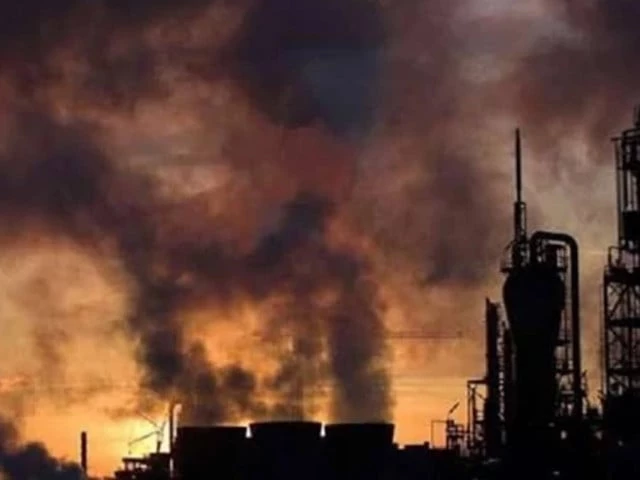
Recent official inspection visits to the Hattar Industrial Estate have uncovered widespread regulatory failures and systemic governance weaknesses, raising serious concerns over industrial oversight, environmental compliance, workers' rights and public health.
According to local residents, inspections conducted by government officials found that several factories were operating without valid licences, while others were running multiple industrial units under a single licence. The findings have highlighted significant gaps in regulatory monitoring and raised concerns about potential tax evasion.
Inspecting teams also reported numerous violations of environmental, food safety and public health standards. Among the irregularities identified were factories producing incompatible products within the same premises, hazardous industrial operations functioning side by side, and the discharge of untreated industrial waste into the environment.
The inspections further alleged that some manufacturers were using oil extracted from slaughterhouse waste in the production of cooking oil. Laboratory tests reportedly revealed that samples of cooking oil failed to contain the nutritional additives advertised on their labels, raising serious concerns about product quality and consumer safety.
Officials also highlighted widespread violations of labour laws and workers' rights. These included unsafe working conditions, a lack of protective equipment, wages below the legally mandated minimum, and limited access to healthcare, social security and occupational safety measures. Reports of workplace accidents and fatalities were cited as evidence of the human cost of weak enforcement.
Despite documented evidence of environmental violations over several months, local residents alleged that regulatory authorities have failed to take effective action against major polluters. Instead, environmental activists have reportedly faced intimidation, while affected communities continue to bear the burden of proving pollution and its health impactsresponsibilities that critics say should rest with government institutions.
The inspection visits also exposed a lack of institutional capacity among key government departments, including those responsible for industries, labour, environment, food and health. According to the findings, many departments lack even basic information about the industries they are mandated to regulate, while legislative oversight remains weak and civic space for community participation continues to shrink.
Residents and observers stressed that Pakistan cannot achieve sustainable economic growth through weak regulation, environmental degradation, unsafe workplaces, tax evasion and substandard products.







This material may not be published, broadcast, rewritten, redistributed or derived from. Unless otherwise stated, all content is copyrighted © 2026 The Express Tribune.








COMMENTS
Comments are moderated and generally will be posted if they are on-topic and not abusive.
For more information, please see our Comments FAQ